


Troubleshooting a mobile pump can be a daunting task, especially if you're not familiar with the intricacies of these powerful machines. As a mobile pump supplier, I've encountered a wide range of issues over the years and have developed a systematic approach to diagnosing and resolving problems. In this blog post, I'll share some of my insights and practical tips on how to troubleshoot a mobile pump effectively.
Understanding the Basics of Mobile Pumps
Before we dive into troubleshooting, it's essential to have a basic understanding of how mobile pumps work. Mobile pumps are designed to move fluids, such as water, sewage, or chemicals, from one location to another. They typically consist of a pump unit, an engine or motor to power the pump, and a control system to regulate the operation of the pump.
There are several types of mobile pumps available, each with its own unique features and applications. Some common types of mobile pumps include centrifugal pumps, positive displacement pumps, and submersible pumps. Centrifugal pumps are the most widely used type of mobile pump and are suitable for a variety of applications, including water transfer, irrigation, and flood control. Positive displacement pumps, on the other hand, are ideal for applications that require high pressure and low flow rates, such as oil and gas production. Submersible pumps are designed to be submerged in the fluid being pumped and are commonly used in wastewater treatment, well pumping, and drainage applications.
Common Issues and Troubleshooting Steps
Now that we have a basic understanding of mobile pumps, let's take a look at some of the most common issues that you may encounter and the steps you can take to troubleshoot them.
1. No Pumping Action
One of the most common issues with mobile pumps is a lack of pumping action. This can be caused by a variety of factors, including a blocked suction line, a damaged impeller, or a malfunctioning motor or engine.
- Check the suction line: The first step in troubleshooting a no-pumping action issue is to check the suction line for any blockages. Make sure that the suction strainer is clean and free of debris, and check the suction hose for any kinks or leaks. If the suction line is blocked, remove the blockage and try running the pump again.
- Inspect the impeller: If the suction line is clear, the next step is to inspect the impeller for any damage. The impeller is the rotating part of the pump that creates the pumping action, and if it is damaged, the pump may not be able to move fluid effectively. Remove the pump casing and inspect the impeller for any signs of wear or damage. If the impeller is damaged, it will need to be replaced.
- Check the motor or engine: If the impeller is in good condition, the next step is to check the motor or engine to make sure that it is running properly. Check the fuel level, oil level, and battery connections, and make sure that the motor or engine is receiving power. If the motor or engine is not running properly, it may need to be serviced or repaired.
2. Low Flow Rate
Another common issue with mobile pumps is a low flow rate. This can be caused by a variety of factors, including a clogged filter, a worn impeller, or a malfunctioning valve.
- Check the filter: The first step in troubleshooting a low flow rate issue is to check the filter for any blockages. Make sure that the filter is clean and free of debris, and replace it if necessary.
- Inspect the impeller: If the filter is clean, the next step is to inspect the impeller for any signs of wear or damage. A worn impeller may not be able to create enough pumping action to move fluid effectively, resulting in a low flow rate. If the impeller is worn, it will need to be replaced.
- Check the valves: If the impeller is in good condition, the next step is to check the valves to make sure that they are functioning properly. A malfunctioning valve may be restricting the flow of fluid through the pump, resulting in a low flow rate. Check the valves for any signs of damage or blockages, and make sure that they are fully open.
3. High Noise or Vibration
Excessive noise or vibration can be a sign of a serious problem with a mobile pump. This can be caused by a variety of factors, including a misaligned pump, a damaged bearing, or a loose coupling.
- Check the alignment: The first step in troubleshooting a high noise or vibration issue is to check the alignment of the pump and motor. A misaligned pump can cause excessive noise and vibration, and it can also lead to premature wear and damage to the pump components. Use a laser alignment tool to check the alignment of the pump and motor, and make any necessary adjustments.
- Inspect the bearings: If the pump is properly aligned, the next step is to inspect the bearings for any signs of wear or damage. A damaged bearing can cause excessive noise and vibration, and it can also lead to premature failure of the pump. Remove the pump casing and inspect the bearings for any signs of wear or damage. If the bearings are damaged, they will need to be replaced.
- Check the coupling: If the bearings are in good condition, the next step is to check the coupling to make sure that it is tight and secure. A loose coupling can cause excessive noise and vibration, and it can also lead to premature wear and damage to the pump components. Check the coupling for any signs of wear or damage, and make sure that it is tightened to the manufacturer's specifications.
4. Leaking Pump
A leaking pump can be a serious problem, as it can lead to fluid loss, environmental contamination, and damage to the pump components. This can be caused by a variety of factors, including a damaged seal, a cracked casing, or a loose fitting.
- Check the seals: The first step in troubleshooting a leaking pump issue is to check the seals for any signs of wear or damage. The seals are the components that prevent fluid from leaking out of the pump, and if they are damaged, the pump may leak. Remove the pump casing and inspect the seals for any signs of wear or damage. If the seals are damaged, they will need to be replaced.
- Inspect the casing: If the seals are in good condition, the next step is to inspect the casing for any cracks or damage. A cracked casing can cause fluid to leak out of the pump, and it can also lead to premature failure of the pump. Inspect the casing for any signs of cracks or damage, and if necessary, replace the casing.
- Check the fittings: If the casing is in good condition, the next step is to check the fittings to make sure that they are tight and secure. A loose fitting can cause fluid to leak out of the pump, and it can also lead to premature wear and damage to the pump components. Check the fittings for any signs of wear or damage, and make sure that they are tightened to the manufacturer's specifications.
Preventive Maintenance
In addition to troubleshooting issues as they arise, it's also important to perform regular preventive maintenance on your mobile pump to keep it running smoothly and prevent problems from occurring in the first place. Here are some tips for performing preventive maintenance on your mobile pump:
- Follow the manufacturer's maintenance schedule: The manufacturer's maintenance schedule is a valuable resource that provides detailed instructions on how to maintain your mobile pump. Make sure that you follow the maintenance schedule carefully and perform all of the recommended maintenance tasks at the appropriate intervals.
- Keep the pump clean: Regularly cleaning the pump and its components can help to prevent debris from accumulating and causing problems. Use a soft brush and a mild detergent to clean the pump casing, impeller, and other components, and make sure that they are dry before reassembling the pump.
- Check the fluid levels: Regularly checking the fluid levels in the pump, such as the oil level, fuel level, and coolant level, can help to prevent problems from occurring. Make sure that the fluid levels are within the recommended range, and add fluid as necessary.
- Inspect the hoses and fittings: Regularly inspecting the hoses and fittings for any signs of wear or damage can help to prevent leaks and other problems. Check the hoses for any cracks, kinks, or leaks, and make sure that the fittings are tight and secure.
- Store the pump properly: When the pump is not in use, it's important to store it properly to prevent damage. Make sure that the pump is stored in a dry, clean, and secure location, and cover it with a protective cover to prevent dust and debris from accumulating.
Conclusion
Troubleshooting a mobile pump can be a challenging task, but by following the steps outlined in this blog post, you can diagnose and resolve most common issues quickly and effectively. Remember to always follow the manufacturer's instructions and safety guidelines when working on your mobile pump, and if you're unsure about how to perform a particular task, don't hesitate to contact a professional mobile pump technician for assistance.
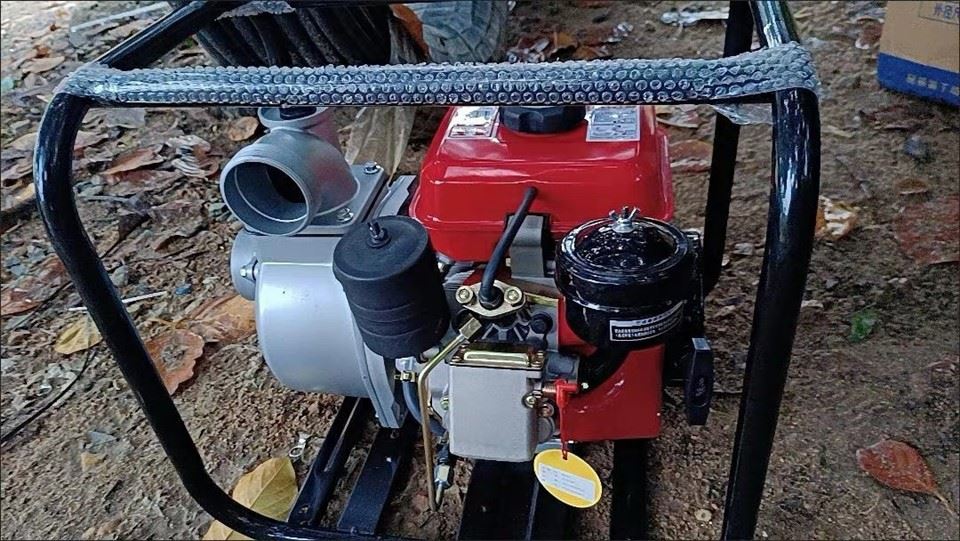
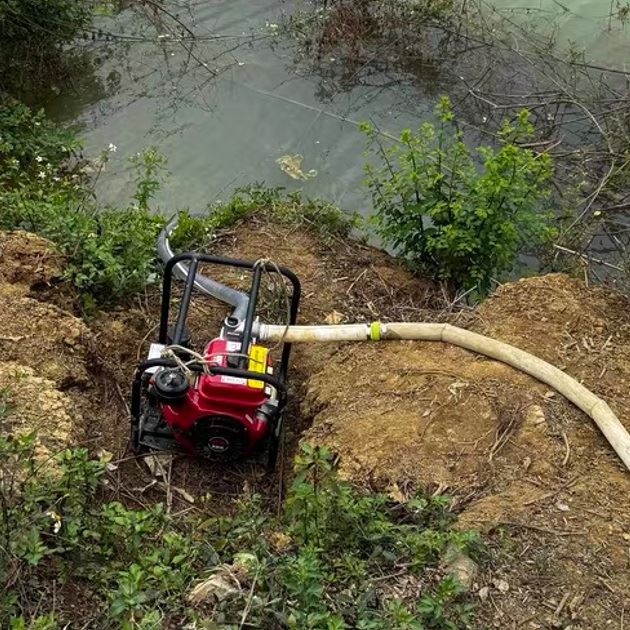
If you're in the market for a mobile pump, we offer a wide range of high-quality pumps to meet your needs. Our product line includes Seawater Backfilling Drainage Pump, Portable Diesel Pump, and Rainstorm Emergency Drainage Equipment. Contact us today to learn more about our products and how we can help you find the right pump for your application.
References
- Manufacturer's manuals and documentation
- Industry standards and best practices
- Personal experience and expertise