


How to Monitor the Performance of a Traction Large Flow Pump in Real - time?
As a supplier of Traction Large Flow Pumps, I understand the critical importance of real - time performance monitoring for these high - capacity pumps. Traction Large Flow Pumps are widely used in various industrial and emergency scenarios, such as flood control, firefighting, and large - scale water transfer projects. Ensuring their optimal performance is essential for the success of these operations.
1. Understanding the Key Performance Indicators (KPIs)
To monitor the performance of a Traction Large Flow Pump in real - time, we first need to identify the key performance indicators. These KPIs will serve as the basis for our monitoring system.
- Flow Rate: This is one of the most important indicators. The flow rate represents the volume of water or fluid that the pump can move per unit of time. In a Traction Large Flow Pump, a consistent and appropriate flow rate is crucial for the efficiency of the entire system. For example, in a flood - fighting operation, a lower - than - expected flow rate may lead to ineffective water drainage, increasing the risk of flooding.
- Pressure: The pressure generated by the pump is another vital KPI. It indicates the force with which the fluid is being pushed through the pipes. Too high a pressure can cause damage to the pipeline and the pump itself, while too low a pressure may result in insufficient fluid movement.
- Power Consumption: Monitoring the power consumption of the pump helps in assessing its energy efficiency. An unexpected increase in power consumption may suggest mechanical problems or inefficiencies in the pump's operation.
2. Installing Sensors for Real - time Data Collection
To obtain real - time data on the KPIs mentioned above, we need to install appropriate sensors on the Traction Large Flow Pump.
- Flow Sensors: These sensors are used to measure the flow rate of the fluid passing through the pump. There are different types of flow sensors available, such as electromagnetic flow sensors and ultrasonic flow sensors. Electromagnetic flow sensors work based on Faraday's law of electromagnetic induction and are suitable for conductive fluids. Ultrasonic flow sensors, on the other hand, use ultrasonic waves to measure the flow velocity and calculate the flow rate.
- Pressure Sensors: Pressure sensors are installed at strategic points in the pump system to measure the pressure. They can be mechanical or electronic. Electronic pressure sensors are more commonly used in modern monitoring systems as they can provide accurate and real - time pressure data.
- Power Sensors: Power sensors are used to measure the electrical power consumed by the pump motor. They can monitor parameters such as voltage, current, and power factor, which are essential for assessing the energy efficiency of the pump.
3. Establishing a Data Acquisition and Transmission System
Once the sensors are installed, we need to establish a system for data acquisition and transmission.
- Data Acquisition Unit (DAU): The DAU is responsible for collecting data from the sensors. It processes the raw sensor data and converts it into a format that can be easily transmitted and analyzed. The DAU can be a simple microcontroller - based device or a more complex industrial computer.
- Communication Protocols: To transmit the data from the DAU to the monitoring center, we need to use appropriate communication protocols. There are several options available, such as Ethernet, Wi - Fi, and cellular networks. Ethernet is suitable for short - distance communication within a local area network, while Wi - Fi and cellular networks can be used for remote monitoring.
4. Implementing a Monitoring and Analysis Software
The collected data needs to be analyzed to gain insights into the performance of the Traction Large Flow Pump. This is where monitoring and analysis software comes into play.
- Real - time Visualization: The software should be able to provide real - time visualization of the KPIs. This can be in the form of graphs, charts, and dashboards. For example, a line graph can show the variation of flow rate over time, allowing operators to quickly identify any abnormal trends.
- Alarm Systems: The software should also include alarm systems. When a KPI exceeds or falls below a predefined threshold, the system can send an alarm to the operators. This can be in the form of an email, SMS, or a visual and audible alarm on the monitoring screen.
- Historical Data Analysis: In addition to real - time monitoring, the software should be able to store historical data. This data can be used for long - term performance analysis, predictive maintenance, and troubleshooting.
5. Benefits of Real - time Performance Monitoring
Real - time performance monitoring of Traction Large Flow Pumps offers several benefits.
- Improved Efficiency: By monitoring the KPIs in real - time, operators can make timely adjustments to the pump's operation. For example, if the flow rate is too low, they can increase the pump speed or adjust the valve settings. This helps in maintaining the optimal performance of the pump and improving the overall efficiency of the system.
- Reduced Downtime: Early detection of potential problems through real - time monitoring can prevent major breakdowns. Operators can perform preventive maintenance before a small issue turns into a large - scale problem, reducing the downtime of the pump.
- Cost Savings: Improved efficiency and reduced downtime result in cost savings. The pump consumes less energy, and the maintenance costs are also reduced.
6. Related Products
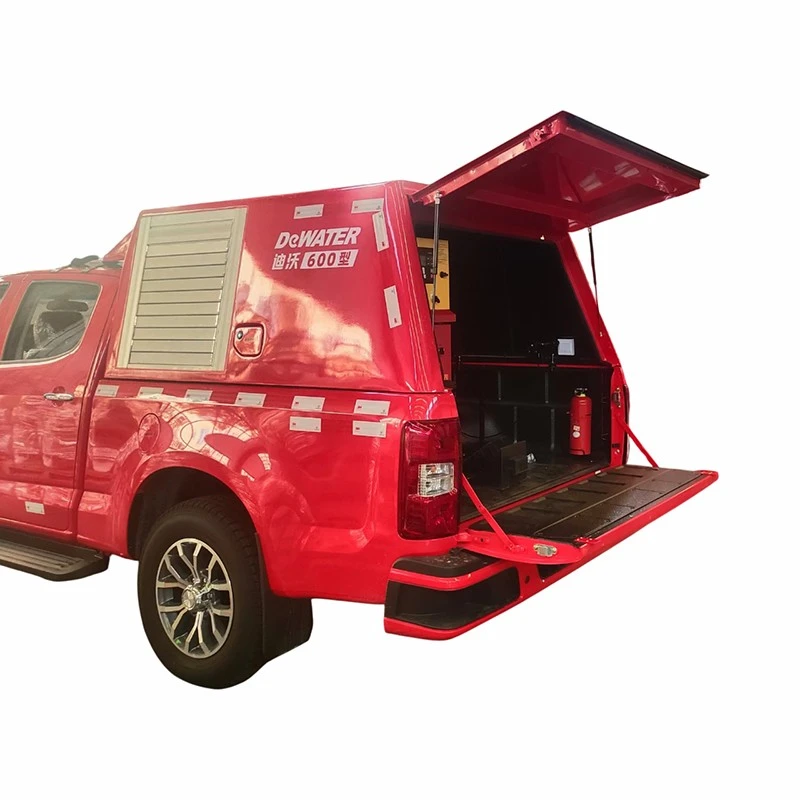
As a Traction Large Flow Pump supplier, we also offer other related products that can enhance the overall performance of water - related operations. For instance, our Mobile Fire Water Pump Trailer is a highly mobile and efficient solution for firefighting operations. It can be quickly deployed to the scene of a fire and provide a large volume of water. Our Floating Pump Station is suitable for applications where water needs to be pumped from open water sources, such as lakes and rivers. And our Flood - fighting and Rescue Mobile Pump is specifically designed for flood - fighting and rescue operations, with high - flow and high - pressure capabilities.
7. Contact for Procurement
If you are interested in our Traction Large Flow Pumps or any of our other products, we welcome you to contact us for procurement and further discussion. Our team of experts can provide you with detailed product information, technical support, and customized solutions based on your specific needs.
References
- "Pump Handbook" by Igor J. Karassik et al.
- "Industrial Instrumentation and Control Handbook" by Bela G. Liptak.
- Research papers on pump performance monitoring from relevant academic journals.