


Installing additional accessories on a trailer mounted pump can significantly enhance its functionality and adaptability to various applications. As a trusted supplier of Trailer Mounted Pumps, I'm here to guide you through the process, sharing valuable insights and practical tips to ensure a successful installation.
Understanding the Basics of Trailer Mounted Pumps
Before delving into the installation of additional accessories, it's essential to have a solid understanding of trailer mounted pumps. These pumps are designed to be easily transported and deployed, making them ideal for a wide range of applications, including Emergency Water Rescue Pickup, Flooding and Dainage Pump Truck, and Engineering Water Drainage Rescue Vehicles. They typically consist of a pump unit mounted on a trailer, along with a power source, such as an engine or electric motor.
Assessing Your Needs
The first step in installing additional accessories on a trailer mounted pump is to assess your specific needs. Consider the type of applications you'll be using the pump for, the environment in which it will operate, and any specific requirements or challenges you may encounter. This will help you determine which accessories are essential and which ones may be optional.
Selecting the Right Accessories
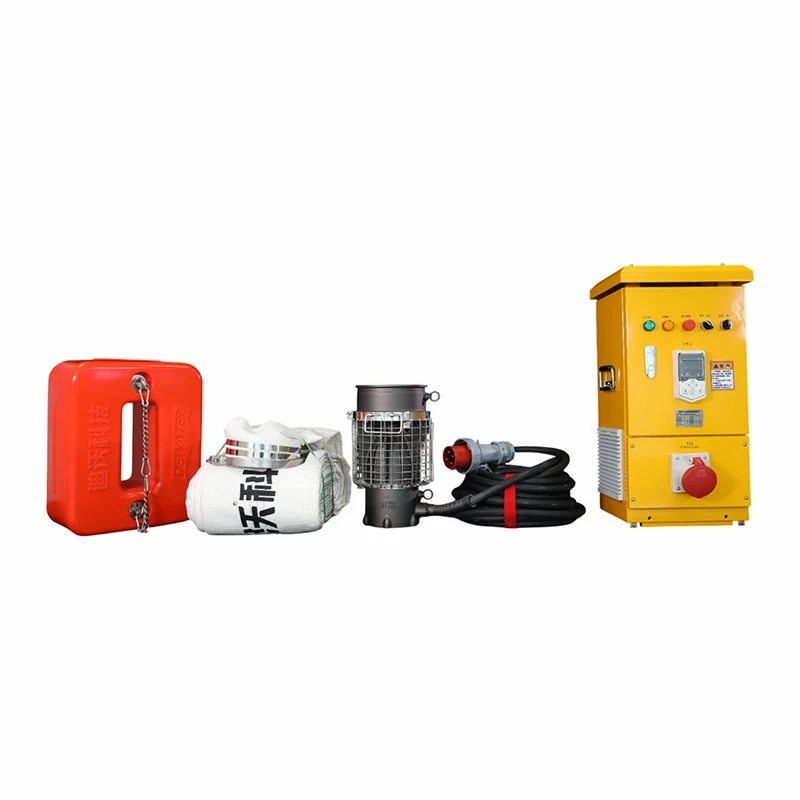
Once you've assessed your needs, it's time to select the right accessories for your trailer mounted pump. There are a wide variety of accessories available, each designed to enhance the pump's performance, functionality, or safety. Some common accessories include:
- Hoses and Fittings: Hoses and fittings are essential for connecting the pump to the water source and discharge point. Make sure to choose hoses and fittings that are compatible with the pump's specifications and the application requirements.
- Strainers and Filters: Strainers and filters help prevent debris and contaminants from entering the pump, protecting it from damage and ensuring optimal performance. Choose strainers and filters that are appropriate for the type of water you'll be pumping.
- Pressure Gauges and Flow Meters: Pressure gauges and flow meters provide valuable information about the pump's performance, allowing you to monitor and adjust its operation as needed. Make sure to choose gauges and meters that are accurate and reliable.
- Safety Equipment: Safety equipment, such as emergency shut-off switches, pressure relief valves, and protective guards, is essential for ensuring the safe operation of the pump. Make sure to install all necessary safety equipment and follow all safety guidelines and regulations.
Preparing for Installation
Before you begin installing the additional accessories, it's important to prepare the pump and the installation area. This includes:
- Reading the Manufacturer's Instructions: Carefully read the manufacturer's instructions for the pump and the accessories you'll be installing. Make sure you understand all the steps and requirements before you begin.
- Gathering the Necessary Tools and Materials: Make sure you have all the necessary tools and materials for the installation, including wrenches, screwdrivers, pliers, and sealants.
- Cleaning and Inspecting the Pump: Clean the pump and the installation area to remove any dirt, debris, or contaminants. Inspect the pump for any damage or wear and make any necessary repairs or replacements.
- Marking the Installation Points: Use a marker or tape to mark the installation points for the accessories on the pump and the trailer. This will help ensure that the accessories are installed in the correct location and alignment.
Installing the Accessories
Once you've prepared the pump and the installation area, it's time to install the additional accessories. The installation process will vary depending on the type of accessory and the pump's design. However, some general tips for installing accessories include:
- Follow the Manufacturer's Instructions: Always follow the manufacturer's instructions for installing the accessories. This will help ensure that the accessories are installed correctly and safely.
- Use the Right Tools and Materials: Make sure you use the right tools and materials for the installation. Using the wrong tools or materials can damage the accessories or the pump and may void the warranty.
- Tighten the Fasteners Securely: Make sure you tighten the fasteners securely to prevent the accessories from coming loose during operation. However, be careful not to over-tighten the fasteners, as this can damage the accessories or the pump.
- Check for Leaks and Proper Operation: After installing the accessories, check for leaks and proper operation. Turn on the pump and check the pressure, flow rate, and other parameters to make sure the pump is working correctly.
Testing and Commissioning
Once you've installed the additional accessories, it's important to test and commission the pump to ensure that it's working correctly. This includes:
- Conducting a Visual Inspection: Conduct a visual inspection of the pump and the accessories to make sure they are installed correctly and there are no visible signs of damage or wear.
- Checking the Fluid Levels: Check the fluid levels in the pump and the engine, if applicable. Make sure the fluid levels are within the recommended range.
- Starting the Pump: Start the pump and let it run for a few minutes to check for any abnormal noises, vibrations, or leaks.
- Testing the Accessories: Test the accessories, such as the pressure gauges, flow meters, and safety equipment, to make sure they are working correctly.
- Adjusting the Settings: If necessary, adjust the settings of the pump and the accessories to optimize their performance.
Maintenance and Care
After installing the additional accessories and testing the pump, it's important to maintain and care for the pump to ensure its long-term reliability and performance. This includes:

- Following the Manufacturer's Maintenance Schedule: Follow the manufacturer's maintenance schedule for the pump and the accessories. This includes regular oil changes, filter replacements, and inspections.
- Keeping the Pump Clean: Keep the pump and the accessories clean to prevent dirt, debris, and contaminants from entering the pump. Use a clean cloth or brush to wipe down the pump and the accessories after each use.
- Storing the Pump Properly: Store the pump and the accessories in a dry, cool, and protected area when not in use. Make sure the pump is covered to prevent damage from the elements.
- Training the Operators: Make sure the operators of the pump are trained on its proper use and maintenance. This will help ensure that the pump is used correctly and safely.
Conclusion
Installing additional accessories on a trailer mounted pump can significantly enhance its functionality and adaptability to various applications. By following the steps outlined in this guide, you can ensure a successful installation and commissioning of the accessories, and enjoy the benefits of a more efficient and reliable pump. If you have any questions or need further assistance, please don't hesitate to contact us. We're here to help you find the right solutions for your pumping needs.
References
- Manufacturer's instructions for the trailer mounted pump and the accessories.
- Industry standards and guidelines for pump installation and maintenance.