


Yo, what's up! I'm a supplier of Mobile Flood Relief Systems, and I'm stoked to dive into how these systems communicate with emergency responders. Floods can be super chaotic, and having a solid communication setup between our mobile flood relief systems and the folks on the front lines is crucial.
First off, let's talk about why communication matters so much. When a flood hits, time is of the essence. Emergency responders need to know exactly where the flood is the worst, how deep the water is, and what areas are at the highest risk. Our Mobile Flood Relief Systems are equipped with all sorts of sensors that can collect this vital data. But if that data can't get to the emergency responders in real - time, it's pretty much useless.
One of the most common ways our systems communicate is through cellular networks. Just like our smartphones, these flood relief systems have cellular modems. They can send data such as water depth, flow rate, and the location of the pump to a central server. From there, emergency responders can access this information through a web - based dashboard. It's like having a live feed of what's going on in the flood - affected areas.
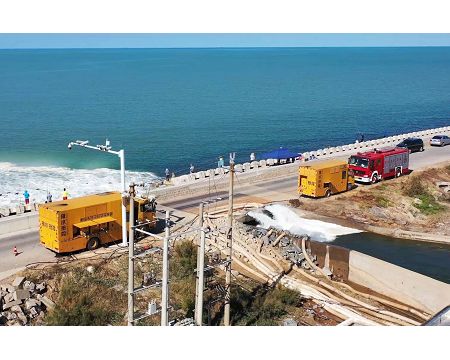
For example, let's say we have a Dam Lake Drainage Emergency Pump deployed near a dam. The pump has sensors that measure the water level in the lake. If the water level starts to rise rapidly, the system will send an alert to the emergency responders via the cellular network. They can then make quick decisions on whether they need to increase the pumping capacity or evacuate nearby residents.
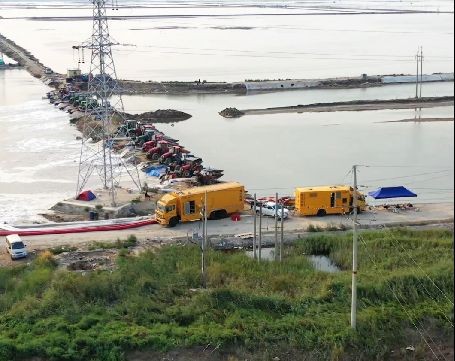
Another way of communication is through satellite links. In areas where cellular coverage is spotty or non - existent, satellite communication comes in handy. Our Mobile Flood Relief Systems can be outfitted with satellite modems. These modems can transmit data over long distances, regardless of the terrain or the lack of traditional communication infrastructure.
Take a situation where a remote village is hit by a flash flood. There might not be any cell towers in the area, but our Diesel Flood Control Pump with a satellite modem can still send data about the flood conditions back to the emergency response team. This ensures that even in the most isolated places, help can be on the way.
We also use radio communication in some cases. Radio frequencies can be a reliable way to communicate, especially in a local area. Our flood relief systems can be set up to communicate with handheld radios that emergency responders carry. This is great for on - the - ground coordination. For instance, if a team of responders is working near a flooded street, they can use radio communication to get real - time updates from our Typhoon Emergency Drainage Pump about the water level and the pumping progress.
Now, let's talk about the software side of things. We've developed a custom - made software that manages the communication between our Mobile Flood Relief Systems and the emergency responders. This software is user - friendly and allows responders to view and analyze the data easily. It can also generate reports and alerts based on pre - set parameters.
For example, if the water level in a particular area exceeds a certain threshold, the software will automatically send out an alert to the relevant emergency responders. They can then take immediate action, such as dispatching more pumps or sending in rescue teams.
The data security is also a big deal. We use encryption to protect the data that is transmitted between our systems and the emergency responders. This ensures that the information is not intercepted or tampered with. After all, the safety and well - being of the people affected by the flood depend on the accuracy and security of this data.
Moreover, we offer training to the emergency responders on how to use our Mobile Flood Relief Systems and the communication interfaces. We understand that they are busy dealing with emergencies, so we keep the training simple and practical. This way, they can quickly get up to speed and make the most of our systems during a flood.
In addition to real - time data transmission, our systems can also provide historical data. This is useful for post - flood analysis. Emergency responders can look at how the flood developed over time, which areas were most affected, and how well the pumping operations worked. This information can help them improve their flood response strategies in the future.
Another aspect is the integration with other emergency management systems. Our Mobile Flood Relief Systems can be integrated with the existing emergency management platforms used by local authorities. This allows for seamless sharing of information and better coordination between different agencies.
We're constantly working on improving our communication technologies. With the advancement of the Internet of Things (IoT), we're looking at ways to make our systems even more connected and intelligent. For example, we're exploring the use of machine learning algorithms to predict flood patterns based on the data collected by our systems. This can help emergency responders take preventive measures before a flood even occurs.
If you're in the business of emergency response or are responsible for flood management in your area, our Mobile Flood Relief Systems can be a game - changer. The reliable communication between our systems and your team can make a huge difference in how effectively you respond to floods.
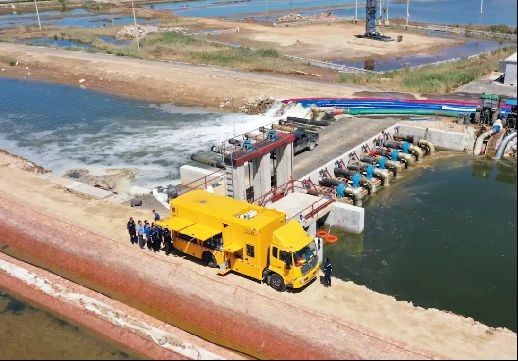
Whether you need a Dam Lake Drainage Emergency Pump, a Diesel Flood Control Pump, or a Typhoon Emergency Drainage Pump, we've got you covered. Our systems are designed to be durable, efficient, and easy to use.
If you're interested in learning more about our products or want to discuss a potential purchase, don't hesitate to reach out. We're always happy to have a chat and see how we can help you better prepare for and respond to floods.
References
- "Flood Risk Management: Principles and Practices" by various authors
- "Emergency Response Communication Technologies" research papers from relevant academic journals