


Hey there! As a supplier of Traction Large Flow Pumps, I'm stoked to share with you how to install one on a mobile platform. It might seem a bit daunting at first, but with the right steps and a bit of know - how, you'll have your pump up and running in no time.
Step 1: Preparation
Before we even start with the installation, we need to make sure we've got everything ready. First off, check the mobile platform. It should be in good condition, with no signs of damage or wear that could affect the pump's performance. Measure the area where you plan to install the pump to ensure it fits properly. You don't want to end up with a pump that's too big or too small for the space.
Next, gather all the necessary tools. You'll likely need wrenches, screwdrivers, and maybe some clamps. Make sure they're in good working order. Also, have the Traction Large Flow Pump itself and all its accessories handy. This includes hoses, couplings, and any mounting brackets that come with the pump.
Step 2: Positioning the Pump
Once you're all prepped, it's time to position the pump on the mobile platform. Find a spot that's stable and level. You don't want the pump to be tilting or shaking during operation, as this can cause all sorts of problems. Use a spirit level to make sure the platform is flat.
If your mobile platform is something like a Mobile Water Drain Pump Trailer, you'll need to think about the weight distribution. The pump should be placed in a way that doesn't make the trailer unbalanced. This is super important for safety, especially when you're moving the trailer around.
Step 3: Mounting the Pump
Now for the mounting part. Most Traction Large Flow Pumps come with mounting holes or brackets. Line up the pump with the mounting points on the mobile platform. If there are pre - drilled holes, use the appropriate bolts and nuts to secure the pump. Tighten them firmly, but don't over - tighten as this could damage the pump or the platform.
If there aren't pre - drilled holes, you might need to drill your own. But be careful! Make sure you're drilling in the right places and that the holes are the correct size. You can use a drill bit that matches the size of the bolts you'll be using.
Step 4: Connecting the Hoses
After the pump is securely mounted, it's time to connect the hoses. Start by attaching the suction hose. This is the hose that draws in the fluid. Make sure it's tightly connected to the pump's suction port. You can use hose clamps to secure it. Check for any leaks around the connection. If you see any, tighten the clamps a bit more.
Next, connect the discharge hose. This is the hose that sends the fluid out of the pump. Again, use hose clamps to make a tight connection. The length and diameter of the hoses are important. You want hoses that can handle the large flow rate of the pump without causing too much resistance.
Step 5: Electrical Connections (if applicable)
If your Traction Large Flow Pump is electrically powered, you'll need to make the electrical connections. First, make sure the power source is off. Then, connect the pump's electrical cable to the appropriate power supply. Use wire connectors to ensure a good, secure connection. Check the voltage requirements of the pump to make sure you're using the right power source.
It's also a good idea to install a circuit breaker or a fuse. This will protect the pump from electrical surges and prevent any damage. Make sure the electrical connections are protected from water and other elements, especially if the mobile platform will be used outdoors.
Step 6: Testing the Pump
Once everything is connected, it's time to test the pump. Before you turn it on, double - check all the connections again. Make sure the hoses are secure, the electrical connections are good, and the pump is properly mounted.
Turn on the power (if it's an electric pump) or start the engine (if it's a gas - powered pump). Listen for any strange noises. If the pump is running smoothly, it should make a regular, steady sound. Check for any leaks around the hoses and connections.
If the pump isn't working properly, don't panic. It could be something as simple as a loose connection or a clogged hose. Check the hoses for any blockages and make sure the valves are open.
Step 7: Maintenance and Safety Checks
After the pump is up and running, it's important to do regular maintenance and safety checks. Check the hoses for wear and tear regularly. Replace any hoses that are starting to look damaged. Inspect the electrical connections for signs of corrosion or loose wires.
Also, make sure the pump is properly lubricated if it has any moving parts. Follow the manufacturer's instructions for lubrication intervals. Keep the pump clean and free from debris. This will help it run more efficiently and last longer.
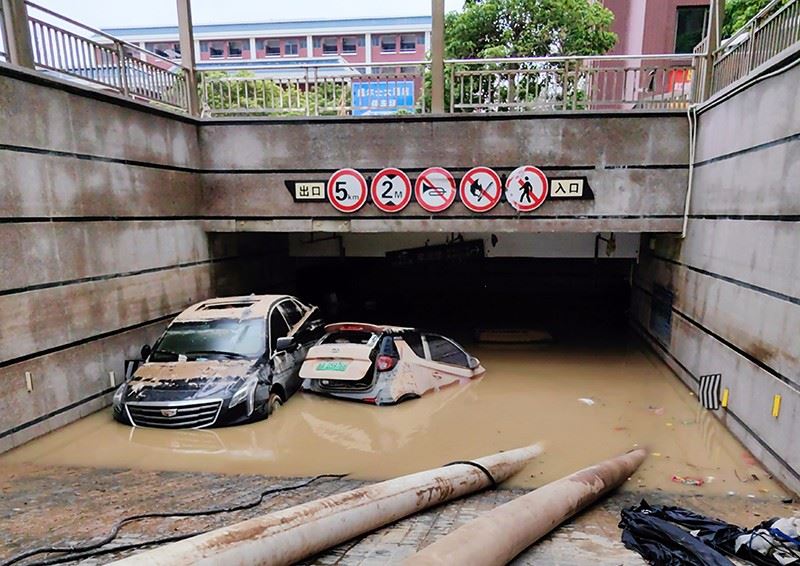

Applications of Traction Large Flow Pumps on Mobile Platforms
These pumps on mobile platforms are super versatile. They can be used for Underground Narrow Space Drainage. In places where it's hard to access with traditional pumps, a mobile - mounted Traction Large Flow Pump can get the job done.
They're also great for Rainstorm Emergency Drainage Equipment. During heavy rainstorms, these pumps can quickly remove water from flooded areas, helping to prevent damage to property and infrastructure.
Why Choose Our Traction Large Flow Pumps
Our pumps are built to last. They're made from high - quality materials that can withstand tough conditions. We offer a wide range of models, so you can choose the one that best suits your needs. Whether you need a pump for a small - scale project or a large - scale industrial application, we've got you covered.
Our customer service team is always ready to help. If you have any questions about installation, maintenance, or anything else related to our pumps, just give us a shout. We'll do our best to provide you with the support you need.
Wrapping Up
Installing a Traction Large Flow Pump on a mobile platform might seem like a lot of work, but if you follow these steps, it can be a pretty straightforward process. Remember to do your preparation, position the pump correctly, make all the connections properly, and do regular maintenance.
If you're interested in purchasing one of our Traction Large Flow Pumps or have any questions about the installation process, don't hesitate to get in touch. We're here to help you with all your pumping needs.
References
- Manufacturer's manual for Traction Large Flow Pumps
- Industry standards for pump installation and safety