


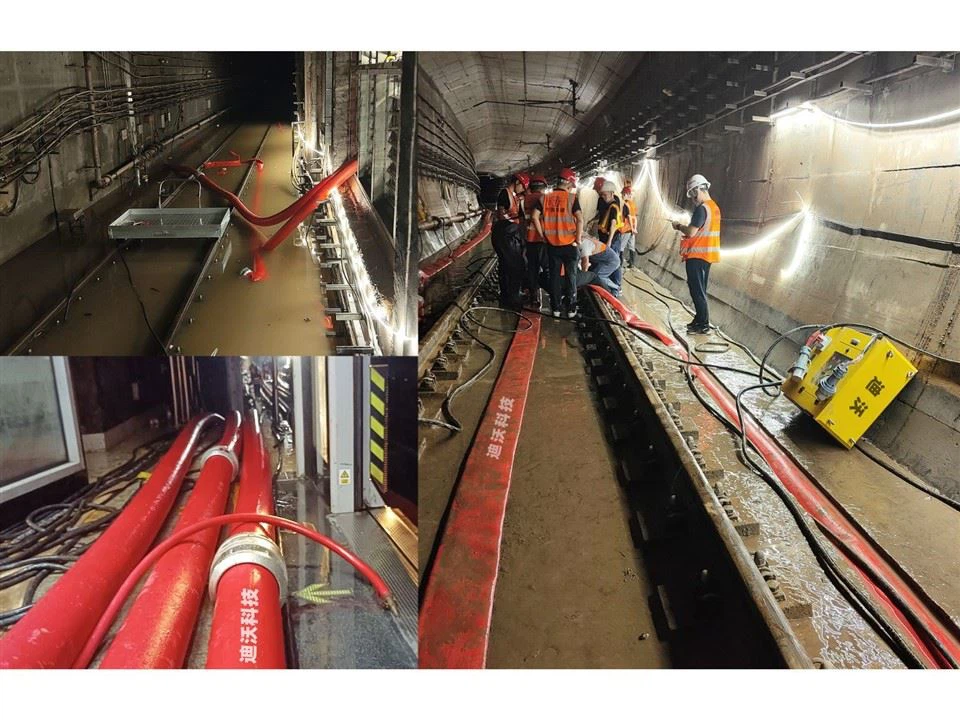
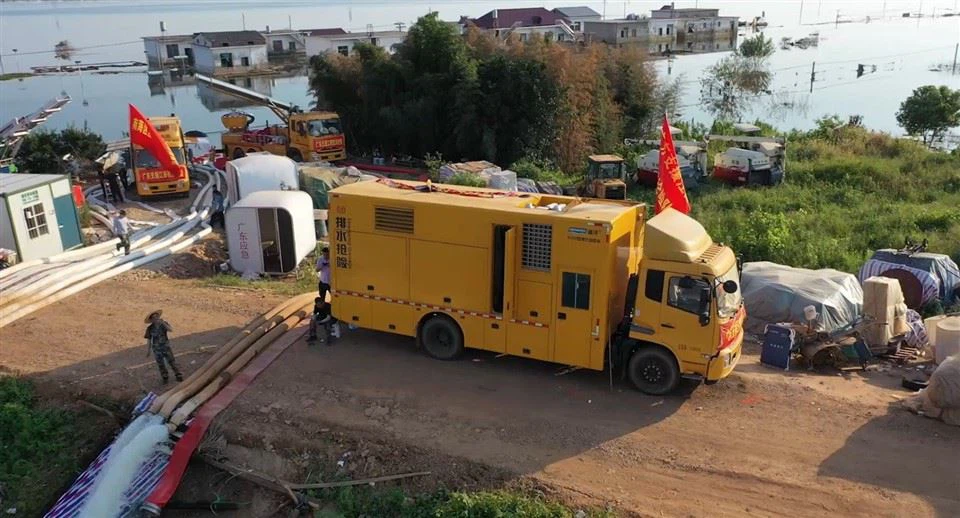
In the realm of flood control, emergency drainage, and various water - management scenarios, mobile drainage pump stations play a crucial role. As a trusted supplier of Mobile Drainage Pump Stations, I understand the significance of reliability in these systems. A reliable mobile drainage pump station can swiftly respond to flood emergencies, industrial wastewater removal, and other water - related challenges. In this blog, I will share some effective strategies to improve the reliability of a mobile drainage pump station.
1. High - Quality Equipment Selection
The foundation of a reliable mobile drainage pump station lies in the quality of its equipment. When choosing pumps, motors, and other components, it is essential to opt for products from reputable manufacturers. High - quality pumps are designed to handle a wide range of flow rates and pressures, ensuring efficient operation under different conditions. For instance, centrifugal pumps are commonly used in mobile drainage pump stations due to their simplicity, reliability, and ability to handle large volumes of water.
When selecting motors, consider factors such as power output, efficiency, and durability. A high - efficiency motor not only reduces energy consumption but also has a longer service life, contributing to the overall reliability of the pump station. Additionally, ensure that all components are compatible with each other to avoid potential malfunctions caused by mismatched parts.
Our company offers High - efficiency Mobile Pumping Stations that are equipped with top - of - the - line pumps and motors. These stations are designed to provide reliable performance in various applications, from urban flood control to industrial water management.
2. Regular Maintenance and Inspection
Regular maintenance is the key to ensuring the long - term reliability of a mobile drainage pump station. Establish a comprehensive maintenance schedule that includes tasks such as lubrication, filter replacement, and equipment cleaning. Lubricating moving parts reduces friction and wear, extending the lifespan of the components. Filter replacement is crucial to prevent debris from entering the pump and causing damage.
Inspections should be carried out on a regular basis to detect any potential issues early. Check for signs of leaks, corrosion, and abnormal vibrations. A small problem detected early can be easily fixed, preventing it from escalating into a major breakdown. For example, a minor leak in a pipe can be repaired quickly, but if left unattended, it can lead to water damage and pump failure.
We also provide maintenance services for our Water Drainage Pump Truck and Flood Control Pump Truck. Our team of experienced technicians can perform routine maintenance and inspections to ensure that your pump station is always in optimal condition.
3. Advanced Monitoring Systems
Implementing advanced monitoring systems can significantly improve the reliability of a mobile drainage pump station. These systems can continuously monitor various parameters such as flow rate, pressure, temperature, and vibration. By collecting and analyzing this data, operators can detect any abnormal changes in the system's performance and take proactive measures to prevent failures.
For example, if the flow rate suddenly drops or the pressure increases beyond the normal range, it may indicate a blockage in the pipeline or a problem with the pump. The monitoring system can send real - time alerts to the operators, allowing them to respond quickly and resolve the issue before it causes significant damage.
Some advanced monitoring systems also use predictive analytics to forecast potential failures. By analyzing historical data and patterns, these systems can predict when a component is likely to fail and recommend preventive maintenance. This proactive approach can save time and money by reducing unplanned downtime.
4. Training and Skill Development
The reliability of a mobile drainage pump station also depends on the skills and knowledge of the operators. Provide comprehensive training to the operators on the proper operation, maintenance, and troubleshooting of the pump station. Training should cover topics such as pump theory, electrical systems, and safety procedures.
Well - trained operators are more likely to detect and resolve issues quickly, reducing the risk of equipment failure. They can also perform routine maintenance tasks effectively, ensuring the long - term reliability of the pump station. Additionally, encourage operators to stay updated with the latest industry trends and technologies to improve their skills and knowledge.
5. Redundancy and Backup Systems
To enhance the reliability of a mobile drainage pump station, consider incorporating redundancy and backup systems. Redundancy means having additional components or equipment that can take over in case of a failure. For example, having a backup pump can ensure that the drainage process continues even if the primary pump fails.
Backup power systems are also essential, especially in areas with unreliable electricity supply. A generator can provide power to the pump station during power outages, ensuring continuous operation. Additionally, having spare parts on hand can reduce the downtime in case of a component failure.
6. Environmental Considerations
The environment in which the mobile drainage pump station operates can also affect its reliability. Consider factors such as temperature, humidity, and the presence of corrosive substances. In high - temperature environments, for example, the pump and motor may overheat, leading to reduced performance and potential damage.
To mitigate these effects, install appropriate cooling systems and protect the equipment from extreme weather conditions. If the pump station is operating in a corrosive environment, use corrosion - resistant materials for the components. Regularly inspect the equipment for signs of corrosion and take preventive measures to extend its lifespan.
7. Documentation and Record - Keeping
Maintaining detailed documentation and records is essential for the reliability of a mobile drainage pump station. Keep records of all maintenance activities, including dates, tasks performed, and any replacement parts used. This information can be used to track the performance of the equipment over time and identify any recurring issues.
Documentation also helps in troubleshooting. When a problem occurs, operators can refer to the maintenance records to determine if a similar issue has occurred in the past and how it was resolved. Additionally, proper documentation is required for regulatory compliance and insurance purposes.
Conclusion
Improving the reliability of a mobile drainage pump station requires a comprehensive approach that includes high - quality equipment selection, regular maintenance, advanced monitoring systems, operator training, redundancy, environmental considerations, and proper documentation. As a supplier of Mobile Drainage Pump Stations, we are committed to providing our customers with reliable and efficient solutions.
If you are interested in purchasing a mobile drainage pump station or have any questions about improving the reliability of your existing system, please feel free to contact us for a detailed discussion. Our team of experts is ready to assist you in finding the best solution for your specific needs.
References
- Pump Handbook, by Karassik et al.
- Principles of Fluid Mechanics and Hydraulics, by Robert L. Mott
- Maintenance and Reliability Best Practices in the Water Industry, various industry publications.