


As a supplier of Portable Mobile Drainage Pumps, I understand the importance of ensuring that our pumps perform optimally in various environments. One critical factor that significantly affects the performance of these pumps is altitude. In this blog post, I will share some insights on how to adjust the performance of a portable mobile drainage pump according to altitude.
Understanding the Impact of Altitude on Pump Performance
Altitude has a profound impact on the performance of a portable mobile drainage pump due to the changes in atmospheric pressure and air density. As altitude increases, the atmospheric pressure decreases, which in turn reduces the air density. This reduction in air density affects the pump's ability to draw in and move water efficiently.
The most significant effect of altitude on pump performance is the reduction in the pump's suction lift. Suction lift refers to the vertical distance between the water source and the pump's inlet. At higher altitudes, the lower atmospheric pressure makes it more difficult for the pump to create a sufficient vacuum to lift water. As a result, the maximum suction lift of the pump decreases with increasing altitude.
Another factor affected by altitude is the pump's power output. The engine or motor that drives the pump relies on the combustion of fuel or the conversion of electrical energy to generate power. At higher altitudes, the lower air density means that there is less oxygen available for combustion, which can lead to a decrease in the engine's power output. This reduction in power can result in a decrease in the pump's flow rate and head.
Adjusting Pump Performance for Altitude
To ensure that a portable mobile drainage pump performs optimally at different altitudes, several adjustments can be made. These adjustments can be broadly categorized into mechanical and operational adjustments.
Mechanical Adjustments
- Impeller Selection: The impeller is a crucial component of the pump that is responsible for creating the flow of water. At higher altitudes, it may be necessary to select an impeller with a different design or size to compensate for the reduced air density and suction lift. A smaller impeller may be more suitable for high-altitude applications as it requires less power to operate and can maintain a sufficient flow rate.
- Engine Tuning: If the pump is powered by an internal combustion engine, it may be necessary to adjust the engine's carburetor or fuel injection system to compensate for the lower air density at higher altitudes. This adjustment ensures that the engine receives the correct amount of fuel and air for efficient combustion, thereby maintaining its power output.
- Air Filter Maintenance: A clean air filter is essential for the proper operation of the pump's engine. At higher altitudes, the air contains less dust and debris, but it is still important to regularly clean or replace the air filter to ensure that the engine receives an adequate supply of clean air.
Operational Adjustments
- Suction Lift Reduction: To compensate for the reduced suction lift at higher altitudes, it may be necessary to reduce the vertical distance between the water source and the pump's inlet. This can be achieved by positioning the pump closer to the water source or by using a longer suction hose.
- Flow Rate and Head Adjustment: The flow rate and head of the pump can be adjusted by changing the speed of the engine or motor. At higher altitudes, it may be necessary to reduce the pump's speed to maintain a stable flow rate and head. This can be done by adjusting the throttle or using a variable speed drive.
- Monitoring and Maintenance: Regular monitoring of the pump's performance is essential to ensure that it is operating optimally at different altitudes. This includes checking the pump's flow rate, head, and power consumption, as well as inspecting the pump for any signs of wear or damage. Regular maintenance, such as oil changes, filter replacements, and belt adjustments, can also help to ensure the pump's reliability and performance.
Case Studies
To illustrate the importance of adjusting pump performance for altitude, let's consider two case studies.
Case Study 1: Municipal Emergency Rescue Pump
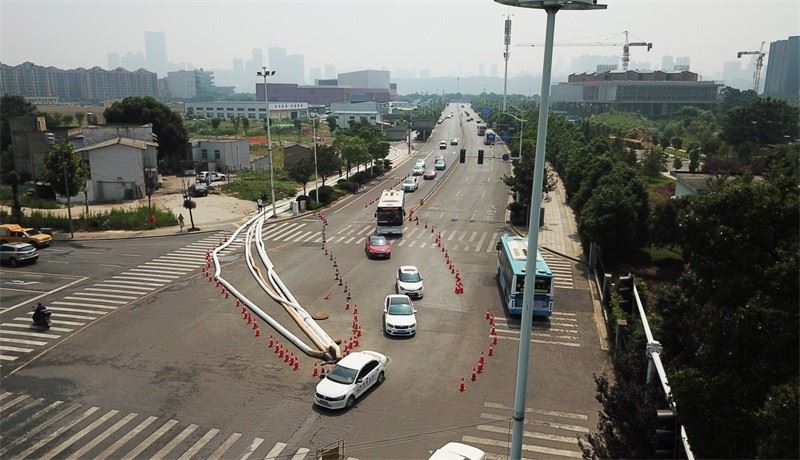
In a mountainous region, a Municipal Emergency Rescue Pump was used to drain floodwater from a city street. The pump was initially installed at a lower altitude and was operating at its maximum capacity. However, when the pump was moved to a higher altitude, it experienced a significant decrease in performance. The suction lift was reduced, and the flow rate and head decreased, making it difficult to drain the floodwater effectively.
To address this issue, the pump's impeller was replaced with a smaller one, and the engine was tuned to compensate for the lower air density. Additionally, the suction lift was reduced by positioning the pump closer to the water source. These adjustments resulted in a significant improvement in the pump's performance, allowing it to drain the floodwater efficiently.
Case Study 2: Dam Lake Drainage Emergency Pump
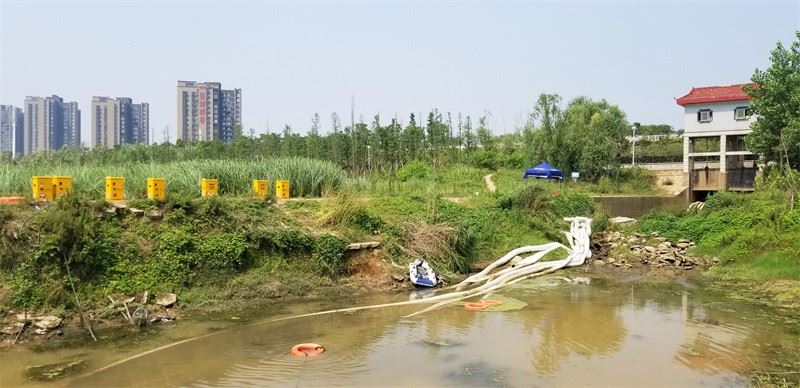
A Dam Lake Drainage Emergency Pump was used to drain water from a dam lake at a high altitude. The pump was initially installed at a lower altitude and was operating at its maximum capacity. However, when the pump was moved to the high-altitude location, it experienced a decrease in performance. The engine's power output decreased, and the pump's flow rate and head were reduced.
To address this issue, the engine's carburetor was adjusted to compensate for the lower air density, and the pump's speed was reduced to maintain a stable flow rate and head. Additionally, the air filter was cleaned to ensure that the engine received an adequate supply of clean air. These adjustments resulted in a significant improvement in the pump's performance, allowing it to drain the water from the dam lake effectively.
Conclusion
Altitude has a significant impact on the performance of a portable mobile drainage pump. By understanding the effects of altitude on pump performance and making the necessary adjustments, it is possible to ensure that the pump operates optimally in various environments. Whether you are using a Municipal Emergency Rescue Pump, a Dam Lake Drainage Emergency Pump, or a Mobile Water Transport Pump, it is important to consider the altitude and make the appropriate adjustments to ensure the pump's reliability and performance.
If you are in the market for a portable mobile drainage pump or need assistance with adjusting the performance of your existing pump, please feel free to contact us. Our team of experts is available to provide you with the guidance and support you need to ensure that your pump operates optimally in any environment.
References
- Pump Handbook, 4th Edition, by Karassik, Messina, Cooper, and Heald
- Fluid Mechanics and Machinery, by R.K. Bansal
- Altitude Effects on Engine Performance, SAE Technical Paper Series