


Hey there! As a supplier of Drought Relief Drainage Pumps, I've been in the thick of it when it comes to understanding the ins and outs of these machines. One question that often pops up is, "How to evaluate the economic efficiency of a Drought Relief Drainage Pump?" Well, let's dive right in and break it down.
First off, we need to understand what economic efficiency really means in the context of a Drought Relief Drainage Pump. In simple terms, it's all about getting the most bang for your buck. You want a pump that can do its job effectively while also being cost - effective in the long run.
Initial Investment
The first thing to consider is the initial cost of the pump. When you're in the market for a Drought Relief Drainage Pump, you'll come across a wide range of prices. Some pumps might be cheaper upfront, but they could end up costing you more in the long term. On the other hand, more expensive pumps might have better features and durability, which can save you money down the line.
For example, if you're looking at a basic pump that costs $500 and a more advanced one that costs $1500. The cheaper pump might seem like a no - brainer at first, but if it breaks down frequently and needs costly repairs, the $1500 pump could be the more economical choice.
Operating Costs
Operating costs are a huge factor in evaluating economic efficiency. These costs include things like fuel consumption, electricity usage, and maintenance.
Fuel and Electricity
If your pump runs on fuel, you need to consider how much fuel it consumes per hour of operation. A pump that guzzles fuel will quickly eat into your budget. Similarly, for electric pumps, you need to look at their power consumption. A more energy - efficient pump will save you money on your electricity bill.
Let's say you have two pumps. One uses 5 liters of fuel per hour and the other uses only 3 liters per hour. If fuel costs $2 per liter and you run the pump for 10 hours a day, the first pump will cost you $100 per day in fuel, while the second one will cost you only $60. Over a month, that's a significant difference.
Maintenance
Regular maintenance is essential to keep your pump running smoothly. However, some pumps are easier and cheaper to maintain than others. Look for pumps that have easily accessible parts and don't require specialized tools or technicians for maintenance.
For instance, if a pump has a simple design with common parts that can be easily replaced at a local hardware store, it will be much more cost - effective than a pump that requires proprietary parts and expensive servicing.
Pump Performance
The performance of the pump is also crucial. You want a pump that can move a large volume of water quickly and efficiently.
Flow Rate
The flow rate of a pump is measured in liters per minute or gallons per minute. A higher flow rate means the pump can move more water in less time. This is especially important during a drought when you need to get water to where it's needed as fast as possible.
Suppose you have a large agricultural field that needs to be irrigated. A pump with a low flow rate will take a long time to water the entire field, which might not be practical. On the other hand, a pump with a high flow rate can get the job done much faster, saving you time and potentially increasing your crop yield.
Head Pressure
Head pressure refers to the height that the pump can lift water. If you need to pump water to a high elevation, you'll need a pump with sufficient head pressure. A pump with low head pressure won't be able to reach the required height, and you'll end up wasting energy trying to force the water up.
Durability and Lifespan
A pump that lasts longer will generally be more economically efficient. You don't want to keep replacing pumps every few years. Look for pumps made from high - quality materials and with a good reputation for durability.
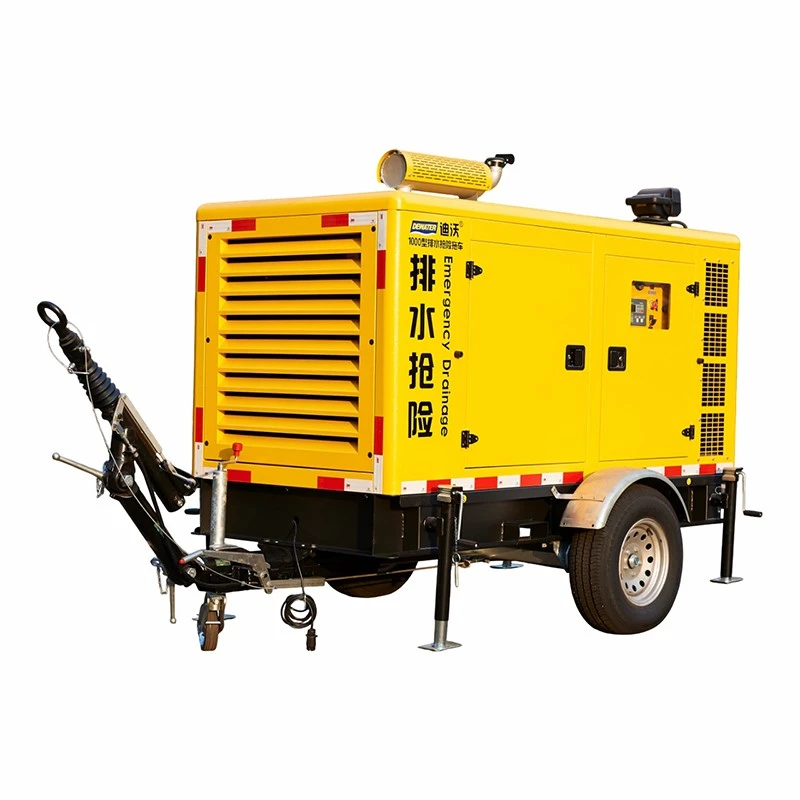
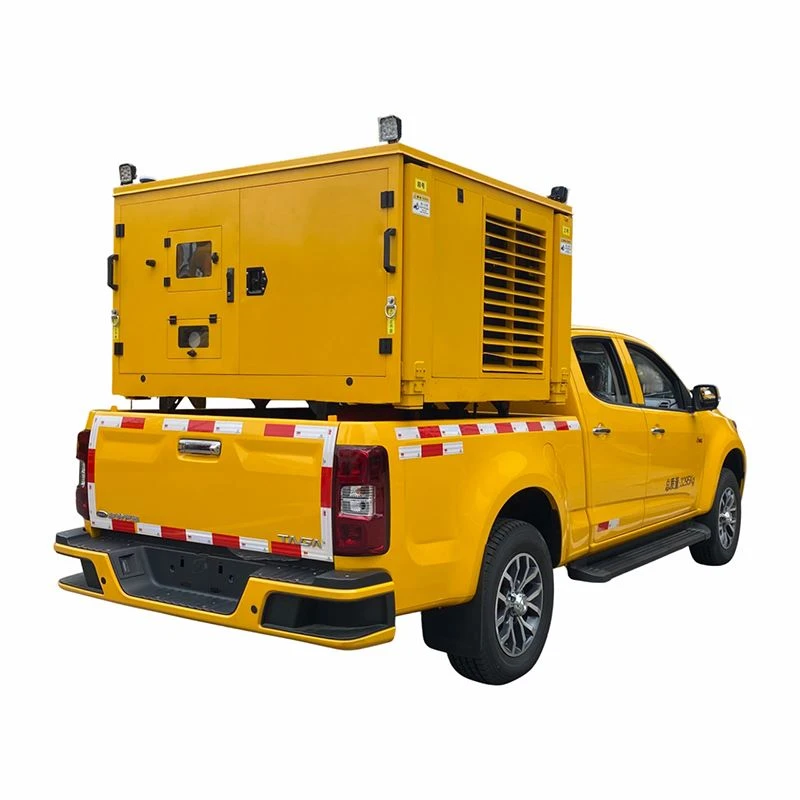
For example, a pump made from stainless steel is likely to be more corrosion - resistant and last longer than a pump made from cheaper, less durable materials. This means you won't have to spend money on a new pump as often.
Additional Features
Some pumps come with additional features that can enhance their economic efficiency.
Automatic Shut - off
An automatic shut - off feature can save you money by preventing the pump from running when it's not needed. For example, if the water level in a tank reaches a certain point, the pump can automatically turn off, saving energy and preventing over - pumping.
Variable Speed
Pumps with variable speed settings can adjust their output according to the demand. This means they can use less energy when the demand is low and increase their performance when needed. This flexibility can lead to significant energy savings.
Now, as a supplier, I also want to mention some of the great products we have. We offer Mine Flooded Drainage Rescue Equipment, which is designed for tough situations in mines. Our Uninterrupted Emergency Drainage Pump ensures continuous operation during emergencies, and our Trailer Mounted Drainage Pump is highly portable and easy to use.
If you're in the market for a Drought Relief Drainage Pump and want to evaluate the economic efficiency of different options, feel free to reach out. We can help you choose the right pump that meets your needs and budget. Whether you're a farmer looking to irrigate your fields or a municipality dealing with water shortages, we've got the solutions for you. Contact us today to start the procurement discussion and find the perfect pump for your situation.
References
- "Pump Handbook" by Igor Karassik
- "The Basics of Pump Selection and Sizing" by Hydraulic Institute