


As a supplier of diesel flood control pumps, I often encounter inquiries from construction companies and contractors about the suitability of our pumps for use on construction sites. In this blog post, I will delve into the details of whether a diesel flood control pump can indeed be effectively used in construction settings, exploring its advantages, potential challenges, and practical applications.
Advantages of Using Diesel Flood Control Pumps on Construction Sites
High - Power and Mobility
One of the most significant advantages of diesel flood control pumps is their high - power output. Diesel engines are known for their ability to generate substantial torque, which allows the pumps to move large volumes of water quickly. On a construction site, water accumulation can occur due to various reasons such as heavy rainfall, groundwater seepage, or the operation of water - based construction equipment. A high - power diesel flood control pump can efficiently remove this excess water, preventing flooding that could damage construction materials, equipment, and even the structural integrity of the building under construction.
Moreover, diesel flood control pumps are often designed to be mobile. They can be easily transported to different locations on the construction site using trailers or other means of conveyance. This mobility is crucial as construction sites are dynamic environments, and the need for water removal may arise in various areas at different stages of the project. For example, during the excavation phase, water may accumulate in the foundation pit, and the pump can be quickly moved to this area to drain the water.
Reliability in Remote Locations
Many construction sites are located in remote areas where access to electricity may be limited or non - existent. Diesel flood control pumps do not rely on a power grid, making them an ideal solution for such locations. They can operate independently as long as there is a supply of diesel fuel. This reliability is essential for construction projects in rural areas, mountains, or areas affected by natural disasters where power infrastructure may have been damaged. With a diesel flood control pump, construction work can continue without being hampered by the lack of electrical power for water removal.
Versatility in Different Water Conditions
Diesel flood control pumps are capable of handling a wide range of water conditions. They can pump clean water as well as water containing solids such as mud, sand, and small debris. On construction sites, the water that needs to be removed is often dirty and may contain construction waste. The robust design of diesel flood control pumps allows them to handle these challenging water conditions without significant performance degradation. This versatility makes them suitable for various construction - related water removal tasks, from draining rainwater runoff to dewatering areas where concrete is being poured.
Potential Challenges and How to Overcome Them
Noise and Emissions
Diesel engines are known to produce noise and emissions. On a construction site, excessive noise can be a nuisance to workers and nearby residents, and emissions can contribute to air pollution. To address the noise issue, modern diesel flood control pumps are often equipped with noise - reducing enclosures. These enclosures are designed to dampen the sound produced by the engine, reducing the noise level to an acceptable range. Additionally, regular maintenance of the engine can help keep the noise level in check.
Regarding emissions, many diesel engines now comply with strict environmental regulations. They are designed to produce lower levels of pollutants such as particulate matter, nitrogen oxides, and sulfur dioxide. Construction companies can also choose to use low - sulfur diesel fuel to further reduce emissions. By selecting pumps with environmentally friendly engines and using clean fuel, the impact of diesel flood control pumps on the environment can be minimized.
Fuel Supply and Storage
Diesel flood control pumps require a continuous supply of fuel to operate. On a construction site, ensuring an adequate fuel supply can be a challenge, especially in remote, locations. To overcome this, construction companies can establish a fuel management system. This may involve arranging regular fuel deliveries to the site or storing a sufficient amount of fuel on - site in approved fuel storage tanks. It is important to follow all safety regulations when storing diesel fuel to prevent spills and fires.
Maintenance Requirements
Like any mechanical equipment, diesel flood control pumps require regular maintenance to ensure optimal performance and longevity. Maintenance tasks include checking the engine oil level, inspecting the fuel system, cleaning or replacing air filters, and checking the pump impeller for wear. Construction companies should have a maintenance schedule in place and train their staff to perform basic maintenance tasks. Alternatively, they can contract with a professional maintenance service provider to take care of the pumps.
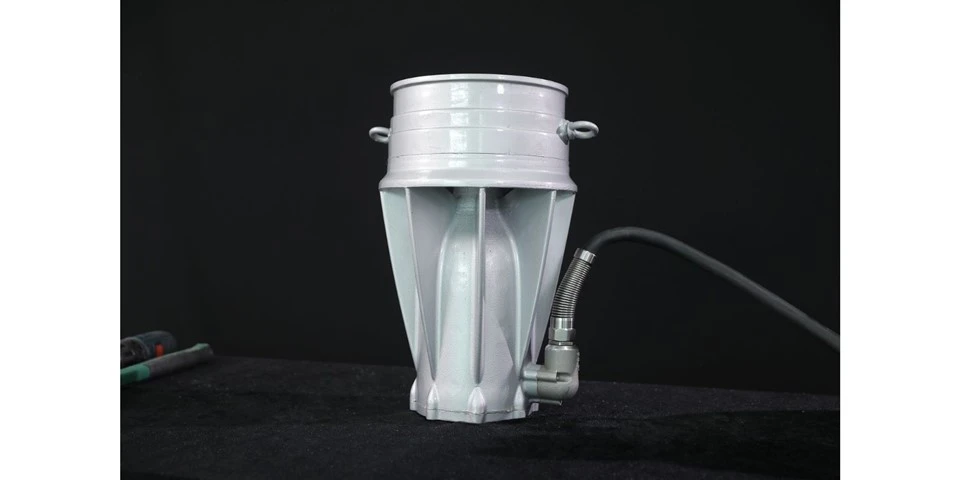
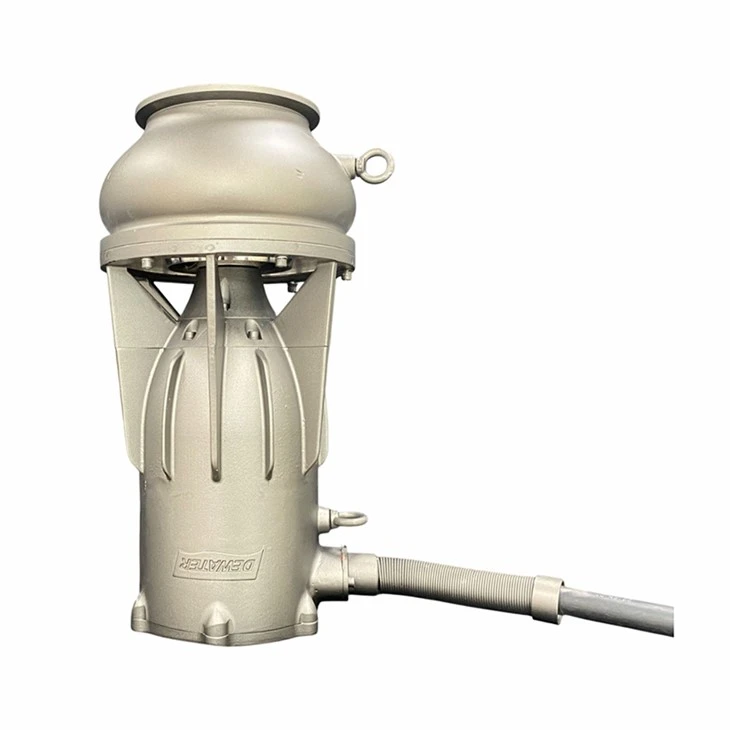
Practical Applications on Construction Sites
Foundation Dewatering
During the construction of a building's foundation, water accumulation in the excavation area can cause problems such as soil instability and damage to the foundation structure. Diesel flood control pumps can be used to dewater the foundation pit, keeping the excavation area dry. This allows construction workers to carry out tasks such as laying the foundation concrete and installing reinforcement bars without the interference of water.
Stormwater Management
Construction sites are often exposed to the elements, and heavy rainfall can lead to significant water accumulation. Diesel flood control pumps can be used to manage stormwater runoff, preventing flooding on the site. By quickly removing the excess water, the pumps help protect construction materials, equipment, and temporary structures from water damage. They can also prevent soil erosion, which is a common problem on construction sites during heavy rain.
Dewatering of Tunnels and Basements
In the construction of tunnels and basements, water seepage is a common issue. Diesel flood control pumps can be used to continuously remove the seepage water, maintaining a dry working environment. This is essential for the safety of workers and the quality of the construction work. For example, in tunnel construction, a dry environment is necessary for the installation of tunnel linings and other components.
Other Related Pumps for Construction Sites
In addition to diesel flood control pumps, there are other types of pumps that can be useful on construction sites. The Drought Relief Drainage Pump can be used for more general water drainage tasks, especially in areas where there is a need to move water over longer distances or to higher elevations. The Trailer Mounted Drainage Pump Station offers a complete solution for water removal, with multiple pumps and control systems integrated into a single, mobile unit. The Mobile Water Supply Pump can be used to supply water for construction activities such as concrete mixing and dust suppression.
Conclusion
In conclusion, diesel flood control pumps are highly suitable for use on construction sites. Their high - power output, mobility, reliability in remote locations, and versatility in different water conditions make them an essential tool for water removal in construction projects. Although there are some challenges such as noise, emissions, fuel supply, and maintenance, these can be effectively managed with proper planning and measures.
If you are involved in a construction project and are in need of a reliable water removal solution, I encourage you to consider our diesel flood control pumps. Our team of experts can provide you with detailed information about the pumps, help you select the right model for your specific needs, and offer support throughout the procurement and operation process. Feel free to contact us to start a procurement discussion, and let us work together to ensure the success of your construction project.
References
- "Pump Handbook" by Igor J. Karassik et al.
- Construction Equipment magazine articles on water management in construction.
- Industry reports on the use of diesel engines in construction equipment.