


Installing a mobile drainage pump station is a complex yet crucial process, especially when dealing with various environmental challenges such as floods and waterlogging. As a supplier of Mobile Drainage Pump Stations, I have witnessed firsthand the importance of a proper installation to ensure the efficient and reliable operation of these vital systems. In this blog, I will guide you through the step - by - step process of installing a mobile drainage pump station.
Pre - installation Preparation
Before you start the installation process, a series of preparatory work needs to be carried out. Firstly, site assessment is of utmost importance. You need to thoroughly understand the installation site, including the topography, ground conditions, and surrounding environment. For example, if the ground is uneven, it may lead to instability of the pump station after installation. You also need to check for any underground utilities such as gas pipes, water pipes, and power cables to avoid any potential damage during the installation process.
Secondly, equipment inspection is necessary. As a supplier, we ensure that all the components of the mobile drainage pump station are in good condition before delivery. However, upon arrival at the site, you should conduct a detailed inspection again. Check the pump, motor, control panel, pipes, and other accessories for any visible damage, missing parts, or signs of malfunction. This will help you identify and resolve any issues early on, preventing problems during the installation and subsequent operation.
Installation Steps
Step 1: Site Preparation
The first step in the installation process is to prepare the site. Clear the installation area of any debris, rocks, or other obstacles. Level the ground to ensure a stable base for the pump station. If the ground is soft or unstable, you may need to use a concrete foundation or other reinforcement methods. The size and thickness of the concrete foundation should be determined according to the size and weight of the pump station.
Step 2: Positioning the Pump Station
Once the site is prepared, carefully position the mobile drainage pump station on the designated area. Use a crane or other lifting equipment to lift the pump station into place. Make sure the pump station is aligned correctly and leveled. You can use a spirit level to check the horizontal and vertical alignment. Proper positioning is crucial for the smooth operation of the pump and the overall performance of the pump station.
Step 3: Pipe Connection
After positioning the pump station, it's time to connect the pipes. Connect the inlet and outlet pipes of the pump to the corresponding drainage system. Ensure that the pipe connections are tight and leak - free. Use appropriate sealing materials such as gaskets and O - rings to prevent water leakage. The diameter and length of the pipes should be selected according to the flow rate and head requirements of the pump. For large - scale drainage projects, you may need to use multiple pipes in parallel to increase the drainage capacity.
Step 4: Electrical Connection
Electrical connection is a critical step in the installation process. Connect the motor of the pump to the power supply. Make sure to follow the electrical wiring diagram provided by the manufacturer. Use proper electrical cables with the appropriate cross - sectional area to ensure safe and efficient power transmission. Install a suitable electrical control panel to control the operation of the pump, including starting, stopping, and monitoring the pump's performance. The control panel should be installed in a dry, well - ventilated area and protected from moisture and dust.
Step 5: Testing and Commissioning
Once all the connections are made, it's time to test and commission the pump station. Fill the pump and pipes with water to prime the pump. Start the pump and check for any abnormal noises, vibrations, or leaks. Monitor the flow rate, head, and power consumption of the pump to ensure that it is operating within the specified parameters. Conduct a series of tests under different operating conditions to verify the performance of the pump station. If any issues are found during the testing process, address them immediately before putting the pump station into full - scale operation.
Maintenance and Troubleshooting
After the successful installation and commissioning of the mobile drainage pump station, regular maintenance is essential to ensure its long - term reliable operation. Develop a maintenance schedule and follow it strictly. This includes checking the pump and motor for wear and tear, lubricating the moving parts, cleaning the filters, and inspecting the electrical components.
In case of any problems, a basic understanding of troubleshooting can save a lot of time and money. For example, if the pump is not pumping water, it could be due to a clogged inlet, a damaged impeller, or a problem with the motor. Check the inlet for any blockages, inspect the impeller for damage, and test the motor's electrical connections. If you are unable to resolve the issue on your own, contact our technical support team for assistance.
Our Product Range
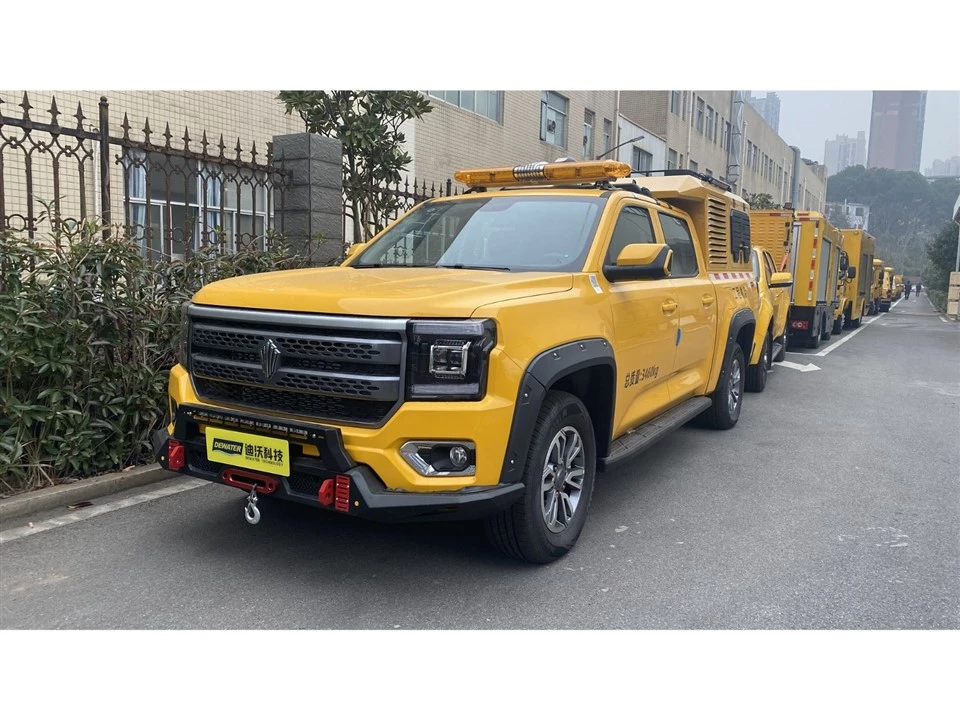
As a supplier of Mobile Drainage Pump Stations, we offer a wide range of products to meet different customer needs. Our Flooding Control Pickup is a compact and efficient solution for small - scale flooding control. It is easy to operate and can be quickly deployed to the affected area.
Our Dewatering Pump Truck is designed for large - scale dewatering projects. It has a high - capacity pump and a powerful motor, capable of handling large volumes of water.
For emergency rescue situations, our Emergency Rescue Drainage Pump Trucks are the ideal choice. They are equipped with advanced features and can be rapidly mobilized to provide immediate drainage support.
Contact Us for Purchase
If you are interested in our mobile drainage pump stations or need more information about the installation process, please feel free to contact us. Our experienced sales team is ready to answer your questions, provide detailed product information, and assist you in making the right purchase decision. Whether you are dealing with a small - scale flooding problem or a large - scale infrastructure project, we have the right solution for you.

References
- Pump Handbook, 4th Edition, Igor J. Karassik et al.
- Standards for the Installation of Pumps and Pumping Stations, Hydraulic Institute.