


Hey there! As a supplier of Mobile Drainage Pump Stations, I've seen firsthand the importance of effectively controlling the operation of multiple pumps in these setups. In this blog, I'm gonna share some tips and insights on how to do just that.
Understanding the Basics
First things first, let's talk about why controlling multiple pumps in a mobile drainage pump station is so crucial. Mobile drainage pump stations are used in a variety of situations, like flood control, emergency water rescue, and industrial wastewater management. When dealing with large volumes of water, having multiple pumps working together can significantly increase the pumping capacity and efficiency.
But here's the thing: if these pumps aren't controlled properly, it can lead to all sorts of problems. For example, uneven pumping can cause damage to the pumps, increase energy consumption, and even reduce the overall effectiveness of the drainage system. So, finding the right way to control these pumps is key.
Factors to Consider
Before we dive into the control methods, there are a few factors you need to take into account.
1. Pump Characteristics
Each pump has its own unique characteristics, such as flow rate, head, and power consumption. Understanding these characteristics is essential for proper control. For instance, if you have pumps with different flow rates, you need to ensure that they are coordinated in a way that doesn't overload any of the pumps.
2. System Requirements
The requirements of the drainage system also play a big role. You need to consider the volume of water that needs to be pumped, the distance it needs to be pumped, and the elevation changes. These factors will determine the number of pumps needed and how they should be operated.

3. Environmental Conditions
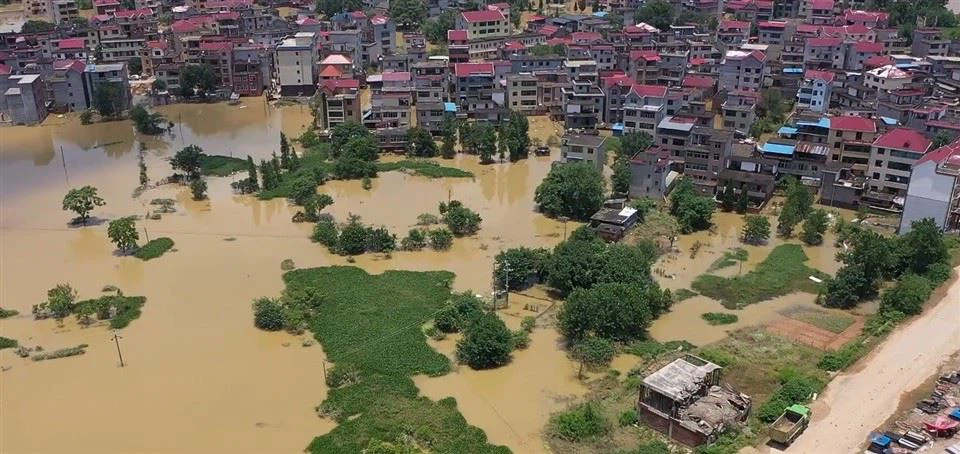
The environmental conditions at the pumping site can affect the performance of the pumps. For example, if the water contains a lot of debris, it can clog the pumps and reduce their efficiency. In such cases, you may need to install additional filtration systems or adjust the pump operation accordingly.
Control Methods
Now, let's look at some of the common methods for controlling the operation of multiple pumps in a mobile drainage pump station.
1. Manual Control
Manual control is the simplest method. In this case, an operator monitors the system and manually starts and stops the pumps as needed. This method is suitable for small-scale operations or situations where the pumping requirements are relatively stable. However, it requires constant attention from the operator and may not be very efficient in large or complex systems.
2. Level Control
Level control is a popular method for controlling multiple pumps. In this system, sensors are installed in the water source to measure the water level. Based on the water level, the pumps are automatically started and stopped. For example, when the water level reaches a certain high point, one or more pumps are started, and when the water level drops below a certain low point, the pumps are stopped. This method ensures that the pumps are only running when necessary, which can save energy and reduce wear and tear on the pumps.
3. Flow Control
Flow control is another effective method. In this system, flow meters are installed in the pumping pipes to measure the flow rate. Based on the flow rate, the pumps are adjusted to maintain a constant flow. For example, if the flow rate drops below a certain value, additional pumps can be started to increase the flow. This method is useful for applications where a constant flow rate is required, such as in industrial processes.
4. Pressure Control
Pressure control is similar to flow control, but it focuses on maintaining a constant pressure in the pumping system. Pressure sensors are installed in the pipes, and the pumps are adjusted to keep the pressure within a certain range. This method is often used in systems where the water needs to be pumped over long distances or against high elevations.
Integration with Monitoring Systems
To ensure the efficient and reliable operation of the mobile drainage pump station, it's a good idea to integrate the pump control system with a monitoring system. A monitoring system can provide real-time data on the pump performance, such as flow rate, pressure, and power consumption. This data can be used to detect any potential problems early and take corrective actions.
For example, if the monitoring system detects that a pump is consuming more power than normal, it could indicate a problem with the pump, such as a clogged impeller or a worn bearing. By detecting these problems early, you can prevent costly breakdowns and ensure the continuous operation of the drainage system.
Case Studies
Let's take a look at a couple of real-world examples to see how these control methods work in practice.
Case 1: Flood Control
In a recent flood control project, a mobile drainage pump station was used to pump water from a flooded area. The pump station consisted of multiple pumps with different flow rates. The control system was based on level control, with sensors installed in the flooded area to measure the water level. As the water level rose, additional pumps were automatically started to increase the pumping capacity. This system was able to quickly reduce the water level in the flooded area and prevent further damage.
Case 2: Industrial Wastewater Management
In an industrial wastewater management project, a mobile drainage pump station was used to pump wastewater from a factory to a treatment plant. The control system was based on flow control, with flow meters installed in the pumping pipes. The pumps were adjusted to maintain a constant flow rate, ensuring that the wastewater was pumped at a consistent rate to the treatment plant. This system helped to improve the efficiency of the wastewater treatment process and reduce the environmental impact.
Conclusion
Controlling the operation of multiple pumps in a mobile drainage pump station is a complex but important task. By understanding the pump characteristics, system requirements, and environmental conditions, and by choosing the right control method, you can ensure the efficient and reliable operation of the pump station.
If you're interested in our Mobile Drainage Pump Stations or need more information on pump control, feel free to reach out to us for a purchase negotiation. We have a wide range of products, including Flooding and Dainage Pump Truck, Emergency Water Rescue Pickup, and High-efficiency Mobile Pumping Stations. We're here to help you find the best solution for your needs.
References
- "Pump Handbook" by Igor Karassik et al.
- "Drainage Systems Design and Analysis" by Larry W. Mays.
- Various industry reports and technical papers on mobile drainage pump stations.