


Picking the right fire water supply pump can be a real head - scratcher. As someone who's been in the fire water supply pump business for a while, I've seen firsthand how crucial it is to make the right choice. After all, a fire - fighting situation is no joke, and having a reliable pump can mean the difference between a minor incident and a major disaster.
Flow Rate
Let's start with the flow rate. This is basically how much water the pump can move in a given amount of time, usually measured in gallons per minute (GPM) or liters per second (L/s). You need to figure out how much water is required to put out a fire in your particular situation. For a small building like a single - family home, a lower flow rate pump might do the trick. But for a large industrial complex or a high - rise building, you're gonna need a pump that can push out a whole lot of water.
Think about it like this: if you're trying to fill a big bucket quickly, you need a hose with a high flow rate. The same goes for fire - fighting. A pump with a low flow rate might struggle to keep up with the demand, leaving you in a tight spot. So, do your homework and calculate the flow rate you need based on the size and type of the area you're protecting.
Pressure
Next up is pressure. Pressure is what makes the water shoot out of the hose with enough force to reach the fire. It's measured in pounds per square inch (PSI) or bars. Just like flow rate, the pressure requirements depend on the situation. If the fire is on a higher floor of a building, you'll need a pump that can generate enough pressure to get the water up there.
Imagine trying to water a plant on a second - story balcony with a regular garden hose. You won't get far without enough pressure. In a fire - fighting scenario, insufficient pressure means the water won't reach the flames effectively. So, make sure you choose a pump that can provide the right amount of pressure for your needs.
Power Source
The power source of the pump is another important factor. There are different options out there, like electric, diesel, or gasoline - powered pumps. Electric pumps are great because they're usually quiet, clean, and easy to operate. They're a good choice for indoor or urban settings where noise and emissions are a concern.
On the other hand, diesel and gasoline - powered pumps are more portable and can work in areas without access to electricity. They're often used in rural or remote locations. However, they do require regular maintenance and can be a bit noisy. So, think about where you'll be using the pump and what kind of power source is most practical for you.
Pump Type
There are also different types of pumps to choose from. Centrifugal pumps are the most common type for fire - fighting. They work by using a spinning impeller to create a centrifugal force that moves the water. They're relatively simple, reliable, and can handle a wide range of flow rates and pressures.
Positive displacement pumps are another option. These pumps work by trapping a fixed amount of water and then forcing it out. They're great for applications where a constant flow rate is required, even at high pressures. But they're usually more expensive and require more maintenance than centrifugal pumps.
Durability and Reliability
In a fire - fighting situation, you can't afford for your pump to break down. That's why durability and reliability are so important. Look for pumps that are made from high - quality materials and have a good track record. Check the manufacturer's reputation and read reviews from other customers.
A pump that's built to last will save you a lot of headaches in the long run. It'll be able to withstand the harsh conditions of fire - fighting and keep working when you need it most. So, don't skimp on quality when it comes to choosing a fire water supply pump.

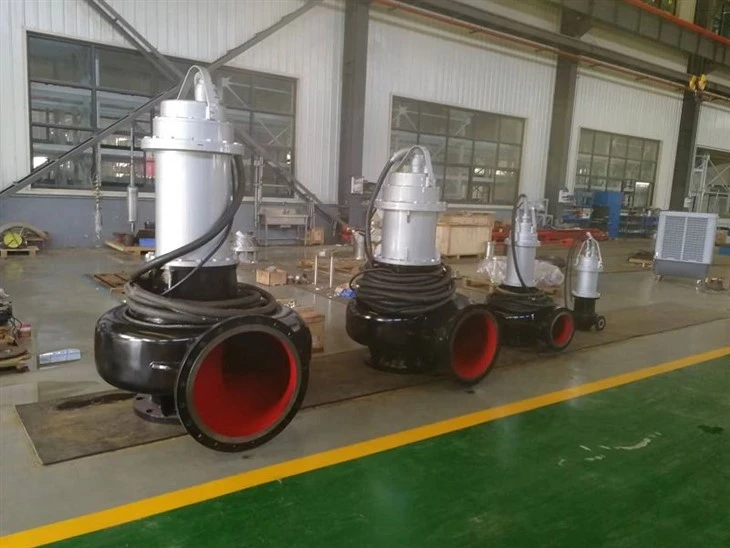
Maintenance
Maintenance is also something you need to consider. All pumps require some level of maintenance to keep them running smoothly. Make sure you choose a pump that's easy to maintain. Look for pumps that have accessible parts and clear maintenance instructions.
Regular maintenance will not only extend the life of your pump but also ensure that it's always in good working condition. You don't want to find out that your pump is broken when there's a fire. So, factor in the maintenance requirements when making your decision.
Cost
Of course, cost is always a consideration. Fire water supply pumps can vary widely in price depending on their features and capabilities. While it might be tempting to go for the cheapest option, remember that you get what you pay for. A low - cost pump might not have the performance or reliability you need.
On the other hand, you don't have to break the bank either. Look for a pump that offers a good balance between price and performance. Compare different models and brands to find the best deal.
Additional Features
Some pumps come with additional features that can be really useful. For example, some pumps have built - in pressure regulators that can automatically adjust the pressure based on the demand. This can make the pump easier to operate and more efficient.
Others might have self - priming capabilities, which means they can start pumping water without having to be manually filled first. These features can save you time and effort, especially in an emergency situation.
As a fire water supply pump supplier, I've seen a lot of different pumps in action. And I know that choosing the right one can be overwhelming. But by considering these factors, you can make an informed decision that'll keep you and your property safe.
If you're in the market for a fire water supply pump, we've also got some other great options. Check out our Submersible Sewage Pump, which is perfect for handling sewage and other dirty water. Our Uninterrupted Emergency Drainage Pump is designed to keep draining water even in the toughest conditions. And if you're dealing with a drought, our Drought Emergency Water Supply Pump can be a real lifesaver.
If you have any questions or want to discuss your specific needs, don't hesitate to reach out. I'm here to help you find the perfect fire water supply pump for your situation. Let's work together to make sure you're prepared for whatever comes your way.
References
- Fire Protection Handbook, National Fire Protection Association
- Pump Handbook, Karassik et al.