


As a supplier of Mobile Flood Pump Trailers, I often get asked if these bad boys can be used in salt - water environments. It's a valid question, and I'm here to break it down for you.
First off, let's talk about what a Mobile Flood Pump Trailer is. It's a handy piece of equipment that can be quickly deployed to areas affected by flooding. You can tow it to the site, set it up, and start pumping out water in no time. We've got different types like the Flood Control Pump Truck, Drought Relief Drainage Pump Truck, and Water Drainage Pump Truck, each designed for specific situations.
Now, back to the main question: Can it work in salt - water? The short answer is, it depends.
The Challenges of Salt - Water
Salt - water is a whole different ballgame compared to fresh water. The salt in the water is highly corrosive. When metal parts of the pump trailer come into contact with salt - water, a chemical reaction starts. This reaction can eat away at the metal over time, leading to rust and damage. For example, the impellers, which are crucial for pumping water, can get pitted and worn out. The pipes and the frame of the trailer can also be affected. If not properly protected, the salt - water can cause leaks in the pipes, reducing the efficiency of the pump and potentially leading to complete failure.
Another issue is the build - up of salt deposits. As the pump moves the salt - water, some of the water evaporates, leaving behind salt crystals. These crystals can clog up small openings in the pump, like the nozzles and valves. This clogging can disrupt the flow of water and make the pump work harder than it should. Over time, the extra strain on the pump can lead to mechanical problems and shorten its lifespan.
Our Solutions
At our company, we've taken steps to make our Mobile Flood Pump Trailers more salt - water friendly.
We use special coatings on the metal parts of the pump trailer. These coatings act as a barrier between the metal and the salt - water. They're designed to resist the corrosive effects of the salt. For example, we apply a high - quality epoxy coating to the impellers and the pipes. This coating is tough and can withstand the harsh environment of salt - water. It's like putting a suit of armor on the pump, protecting it from the salt's attack.
We also use corrosion - resistant materials in the construction of the trailer. Instead of regular steel, we use stainless steel for some of the critical components. Stainless steel has a high chromium content, which forms a thin layer of oxide on the surface. This oxide layer protects the steel from rusting, even in salt - water. So, the frame and some of the structural parts of the trailer are made from this durable material.
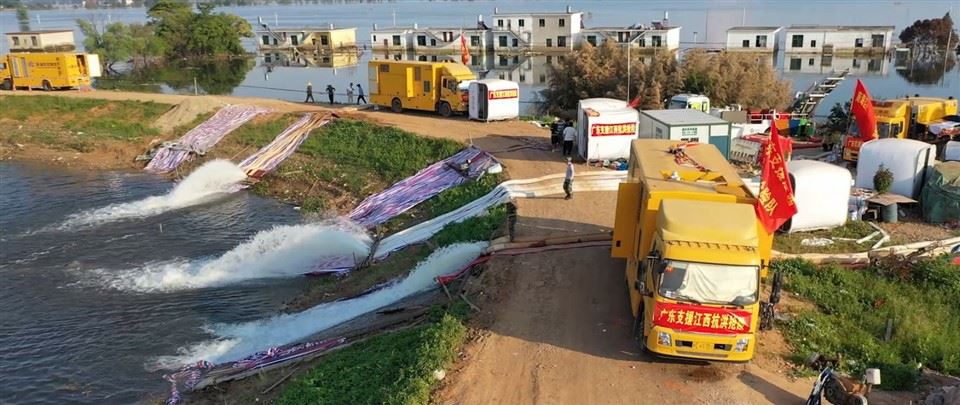
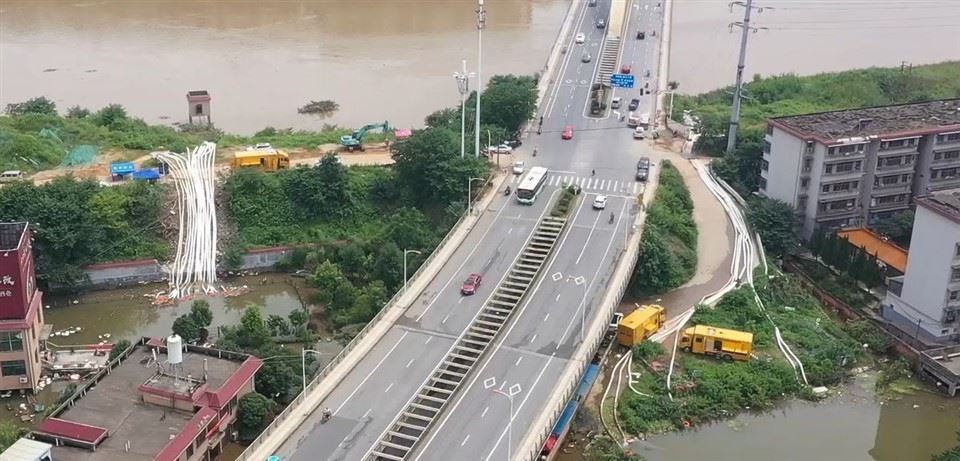
In terms of preventing salt build - up, we've designed the pump with self - cleaning features. The pump has a flushing system that can be activated periodically. This system uses fresh water to wash away the salt deposits inside the pump. By doing this regularly, we can keep the pump free from clogs and ensure smooth operation.
Testing and Performance
Before we sell our Mobile Flood Pump Trailers, we put them through rigorous testing in salt - water environments. We set up a mock - up of a salt - water flood situation in our testing facility. The pump runs continuously in salt - water for a set period of time. During this time, we monitor its performance closely. We check for any signs of corrosion, leaks, or reduced efficiency.
The results have been promising. Our pumps have shown good resistance to the corrosive effects of salt - water. They can maintain a high level of performance even after long - term exposure to salt - water. Of course, like any piece of equipment, they still need proper maintenance. But with our design and protective measures, they can handle salt - water applications for a reasonable amount of time.
Maintenance Tips
If you're planning to use our Mobile Flood Pump Trailer in salt - water, here are some maintenance tips.
After each use in salt - water, it's important to flush the pump with fresh water. This helps to remove any remaining salt from the system. You can use a hose to spray fresh water into the pump and let it run for a few minutes. Make sure to cover all the parts, especially the impellers and the pipes.
Regularly inspect the pump for signs of corrosion. Check the coating on the metal parts. If you notice any chips or scratches in the coating, it's important to touch it up right away. A small scratch can expose the metal underneath to the salt - water, starting the corrosion process.
Also, keep an eye on the salt build - up. If you notice a decrease in the pump's performance, it could be due to clogging. Use the flushing system to clean the pump, or if necessary, disassemble the pump and clean it manually.
Contact Us for More
If you're interested in our Mobile Flood Pump Trailers for salt - water applications or have any other questions, don't hesitate to reach out. We're here to help you find the right solution for your needs. Whether it's a small - scale flood control project or a large - scale drought relief operation, we've got the equipment and the expertise to support you.
References
- Smith, J. (2020). Corrosion in Marine Environments. Journal of Marine Engineering, 15(2), 78 - 92.
- Johnson, A. (2019). Maintenance of Pumps in Salt - Water. Pump Technology Review, 22(3), 45 - 56.