


As a seasoned supplier of fire water supply pumps, I've encountered numerous challenges and requirements from clients across various environments. One of the most demanding scenarios is the high - altitude application of these pumps. High - altitude areas present unique conditions that require careful adjustment of fire water supply pumps to ensure their optimal performance. In this blog, I'll share some insights on how to adjust a fire water supply pump for high - altitude use.
Understanding the High - Altitude Environment
Before delving into the adjustment process, it's crucial to understand the characteristics of the high - altitude environment. As altitude increases, several factors change significantly, including air density, atmospheric pressure, and temperature. These changes have a direct impact on the performance of fire water supply pumps.
Air density decreases with increasing altitude. This means that there is less oxygen available for combustion in the engine (if the pump is engine - driven) and less air to cool the pump components. Lower air density also affects the pump's ability to create a vacuum, which is essential for priming the pump and drawing water.
Atmospheric pressure drops at higher altitudes. This reduction in pressure can cause water to boil at a lower temperature, which may lead to cavitation in the pump. Cavitation is a phenomenon where vapor bubbles form in the liquid due to low pressure and then collapse, causing damage to the pump impeller and other components.
Temperature variations are also more extreme in high - altitude areas. Cold temperatures can affect the viscosity of the lubricants used in the pump and make it more difficult for the engine to start. On the other hand, high - altitude sunlight can cause overheating of the pump components if not properly managed.

Adjusting the Pump for High - Altitude Use
1. Engine Adjustments (if applicable)
If the fire water supply pump is powered by an engine, several adjustments need to be made. The fuel - air mixture needs to be adjusted to account for the lower air density. In high - altitude areas, the engine requires less fuel for the same amount of air to maintain proper combustion. This can usually be done by adjusting the carburetor or the fuel injection system.
The ignition timing may also need to be adjusted. Since the combustion process is affected by the lower air density and pressure, advancing or retarding the ignition timing can optimize the engine's performance. It's important to consult the engine manufacturer's guidelines for the specific adjustments required for high - altitude operation.
Cooling systems also need special attention. The radiator may need to be larger or more efficient to compensate for the reduced cooling capacity due to lower air density. Additionally, the coolant mixture may need to be adjusted to prevent freezing in cold high - altitude temperatures.
2. Pump Priming
Priming the pump is more challenging at high altitudes due to the lower atmospheric pressure. The pump may require a more powerful priming system to create a sufficient vacuum to draw water. Some pumps come with built - in priming pumps that can be adjusted or upgraded for high - altitude use.
It's also important to ensure that the suction line is properly sealed to prevent air leaks. Any air leaks in the suction line can make it even more difficult to prime the pump and can lead to cavitation.
3. Cavitation Prevention
As mentioned earlier, cavitation is a major concern at high altitudes. To prevent cavitation, the pump's impeller design may need to be optimized. Some pumps are designed with special impellers that are more resistant to cavitation.
The operating speed of the pump may also need to be adjusted. Running the pump at a lower speed can reduce the likelihood of cavitation. However, this may also reduce the pump's flow rate and pressure, so a balance needs to be struck.
The suction lift of the pump should be carefully considered. At high altitudes, the maximum suction lift is lower due to the reduced atmospheric pressure. It's important to ensure that the pump is installed at a location where the suction lift is within the pump's capabilities.
4. Lubrication
The lubricants used in the pump need to be suitable for the high - altitude environment. Cold temperatures can increase the viscosity of the lubricants, making it difficult for the pump components to move smoothly. Therefore, lubricants with a lower viscosity at low temperatures should be used.
Regular lubricant checks and changes are also essential. The reduced air density at high altitudes can cause the lubricants to oxidize more quickly, reducing their effectiveness.
Additional Considerations for High - Altitude Fire Water Supply Pumps
1. Altitude Rating
When selecting a fire water supply pump for high - altitude use, it's important to choose a pump that is specifically rated for high - altitude operation. Some pump manufacturers offer pumps with altitude ratings, which indicate the maximum altitude at which the pump can operate effectively.
2. Training and Maintenance
Proper training for the operators of the fire water supply pumps is crucial. Operators need to be aware of the unique challenges of high - altitude operation and how to adjust and maintain the pumps accordingly.
Regular maintenance is also essential to ensure the long - term performance of the pumps. This includes checking the engine, pump components, lubricants, and cooling systems on a regular basis.
Our Product Range for High - Altitude Applications
As a leading supplier of fire water supply pumps, we offer a wide range of products suitable for high - altitude use. Our pumps are designed and engineered to withstand the harsh conditions of high - altitude environments.
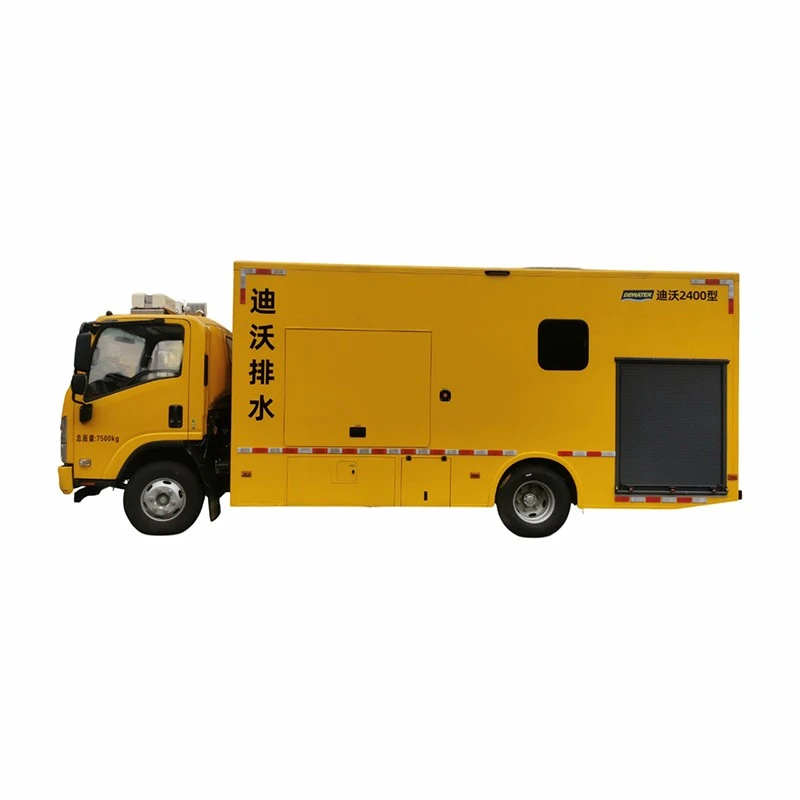
We also provide customized solutions based on the specific requirements of our clients. Whether you need a pump for Underground Narrow Space Drainage, a Mobile Pump Truck, or a Traction Large Flow Pump, we have the expertise and products to meet your needs.
Contact Us for High - Altitude Fire Water Supply Pump Solutions
If you're in need of a fire water supply pump for high - altitude use, don't hesitate to contact us. Our team of experts is ready to assist you in selecting the right pump and providing you with the necessary support for installation, adjustment, and maintenance. We are committed to providing high - quality products and excellent customer service. Reach out to us today to discuss your requirements and start the procurement process.
References
- "Pump Handbook" by Igor J. Karassik et al.
- Engine manufacturer's manuals for high - altitude operation
- Pump manufacturer's technical documentation on high - altitude performance