



Yo, folks! I'm super stoked to be here and chat with you all about what the head of a rescue mobile drainage pump is. As a supplier of Rescue Mobile Drainage Pumps, I've seen firsthand the importance of understanding this key aspect of these pumps. So, let's dive right in!
First off, what's the head of a pump? Well, in simple terms, the head of a pump refers to the height that a pump can lift water or other fluids. It's measured in units like meters or feet. Think of it as how high the pump can push the liquid up against gravity. This is a crucial factor when it comes to rescue mobile drainage pumps because they often need to work in various situations where water might need to be moved to different elevations.
Let's say you're dealing with a flood situation. You've got water that needs to be pumped out of a basement that's below ground level and into a storm drain that's at a higher elevation. The head of the pump determines whether it can actually make that happen. If the head is too low, the pump won't be able to lift the water high enough, and you'll still have a flooded basement. On the other hand, if the head is high enough, the pump can efficiently move the water to where it needs to go.
There are different types of heads we need to consider. One is the static head. This is the vertical distance between the water source (like a flooded area) and the point where the water is being discharged. For example, if the water in a flooded street is at ground level and you're pumping it into a storage tank that's 5 meters above the ground, the static head is 5 meters.
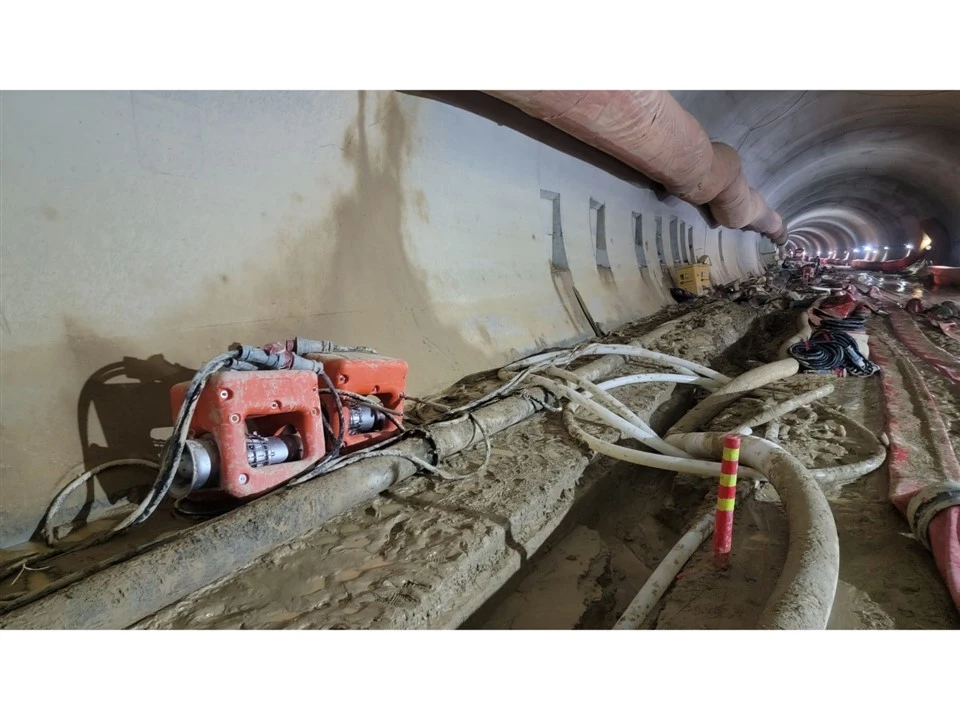
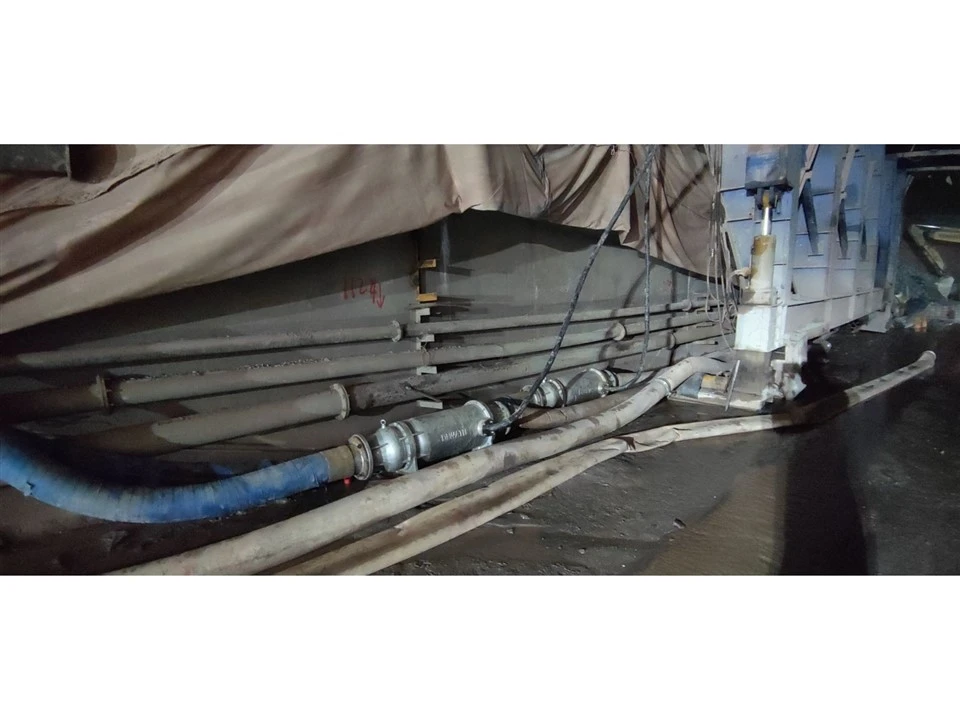
Then there's the friction head. When water flows through pipes, hoses, and other components of the pumping system, there's friction. This friction causes a loss of energy, which means the pump has to work harder to push the water through. The friction head accounts for this energy loss. It depends on things like the length and diameter of the pipes, the roughness of the pipe walls, and the flow rate of the water. A longer or narrower pipe will generally have a higher friction head because there's more resistance to the water flow.
Another important type of head is the total dynamic head. This is the sum of the static head and the friction head. It gives you the overall head that the pump needs to overcome to move the water effectively. So, when you're choosing a rescue mobile drainage pump, you need to make sure its rated head is at least equal to or greater than the total dynamic head of your specific application.
Now, let's talk about how this all relates to the different types of rescue mobile drainage pumps we offer. We've got some really cool options, like the Diesel Engine Heavy Duty Dewatering Pump. This bad boy is designed for heavy-duty dewatering tasks. It's got a high head capacity, which means it can handle pumping water to significant heights. Whether you're dealing with a large-scale flood or a construction site with water accumulation, this pump can get the job done.
The Fire Water Supply Pump is another great option. In firefighting situations, you often need to pump water to high-rise buildings or long distances. This pump is built to have a high head to ensure that the water can reach where it's needed to extinguish the fire. It's reliable and powerful, and it's been a lifesaver in many emergency situations.
And then there's the Seawater Backfilling Drainage Pump. This pump is specifically designed to handle seawater, which can be corrosive. It has a suitable head for backfilling drainage tasks, like when you need to drain seawater from construction sites near the coast. It's made with materials that can withstand the harsh conditions of seawater, so it's durable and long-lasting.
When you're choosing a rescue mobile drainage pump based on the head, there are a few other things to keep in mind. First, you need to accurately measure the static head of your application. This might involve using tools like a tape measure or a level to determine the vertical distance between the water source and the discharge point. You also need to estimate the friction head. You can do this by looking at the specifications of the pipes and hoses you'll be using and using some engineering formulas or online calculators.
It's also important to consider the flow rate of the pump. The head and the flow rate are related. Generally, as the flow rate increases, the head that the pump can achieve decreases. So, you need to find the right balance between the two based on your specific needs. If you need to move a large volume of water quickly, you might have to sacrifice some head. But if you need to pump water to a high elevation, you might have to accept a lower flow rate.
We've helped many customers choose the right rescue mobile drainage pump based on the head and other factors. We understand that every situation is unique, and we're here to provide personalized advice and solutions. Whether you're a municipality dealing with flood control, a construction company in need of dewatering equipment, or a firefighting department looking for a reliable water supply pump, we've got you covered.
So, if you're in the market for a rescue mobile drainage pump, don't hesitate to reach out. We can help you figure out the right head for your application and recommend the best pump for your needs. We offer high-quality pumps at competitive prices, and our customer service is top-notch. Whether you have questions about the head, the flow rate, or any other aspect of our pumps, just give us a shout. Let's work together to find the perfect solution for your water pumping needs.
References:
- General knowledge of pump engineering and fluid mechanics.
- Industry experience in supplying rescue mobile drainage pumps.