


As a leading supplier of mobile drainage pumps, I am often asked about the intricate workings of the impeller, a crucial component in these pumps. The impeller is the heart of a mobile drainage pump, responsible for generating the necessary force to move water efficiently. In this blog post, I will delve into the science behind how the impeller of a mobile drainage pump works, exploring its design, function, and the factors that influence its performance.
The Basics of an Impeller
An impeller is a rotating component with vanes or blades that are designed to transfer energy from the motor to the fluid being pumped. In a mobile drainage pump, the impeller is typically housed within the pump casing and is connected to the motor shaft. When the motor rotates the impeller, it creates a centrifugal force that pushes the water outwards from the center of the impeller towards the outer edges of the casing.
The design of the impeller plays a crucial role in determining the pump's performance. There are several types of impellers used in mobile drainage pumps, each with its own unique characteristics and applications. The most common types of impellers include:
- Closed Impellers: These impellers have vanes that are enclosed between two shrouds, which helps to prevent the fluid from leaking out of the impeller. Closed impellers are typically used in applications where high efficiency and low NPSH (Net Positive Suction Head) requirements are needed.
- Semi-Open Impellers: Semi-open impellers have vanes that are only covered on one side by a shroud. This design allows for larger particles to pass through the impeller without getting clogged, making them suitable for applications where the fluid contains solids or debris.
- Open Impellers: Open impellers have vanes that are not covered by any shrouds. This design makes them less efficient than closed or semi-open impellers but allows for even larger particles to pass through the impeller. Open impellers are typically used in applications where the fluid contains large solids or where the pump needs to handle abrasive materials.
How the Impeller Creates Flow
The impeller creates flow in a mobile drainage pump by converting the mechanical energy from the motor into kinetic energy in the fluid. As the impeller rotates, the vanes push the water outwards from the center of the impeller towards the outer edges of the casing. This creates a centrifugal force that causes the water to move in a circular motion around the impeller.
The velocity of the water increases as it moves towards the outer edges of the impeller, and this increase in velocity creates a pressure difference between the center of the impeller and the outer edges of the casing. This pressure difference causes the water to flow from the center of the impeller towards the outer edges of the casing and then out of the pump through the discharge port.
The amount of flow generated by the impeller depends on several factors, including the size and shape of the impeller, the speed of rotation, and the viscosity of the fluid being pumped. In general, larger impellers with more vanes and a higher speed of rotation will generate more flow than smaller impellers with fewer vanes and a lower speed of rotation.
Factors Affecting Impeller Performance
Several factors can affect the performance of the impeller in a mobile drainage pump, including:
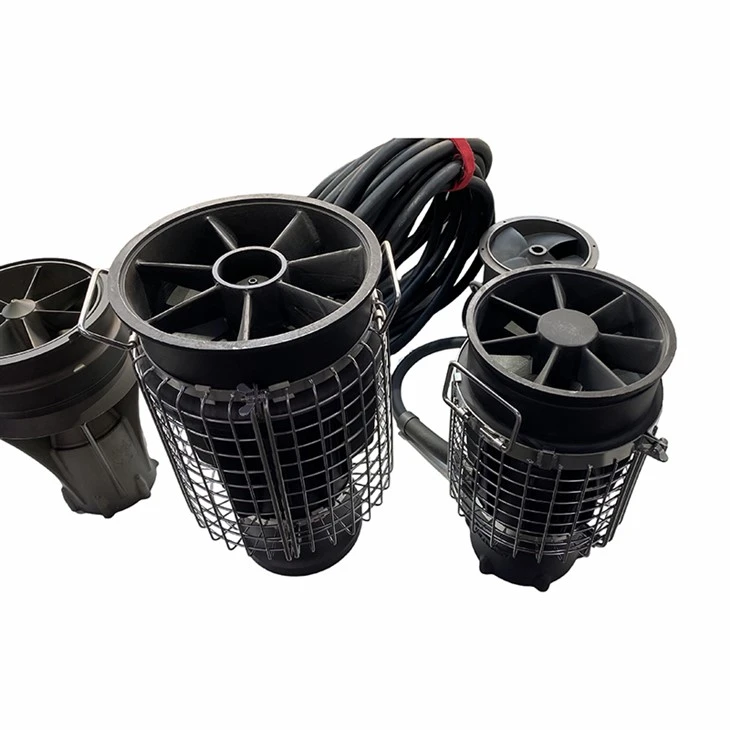
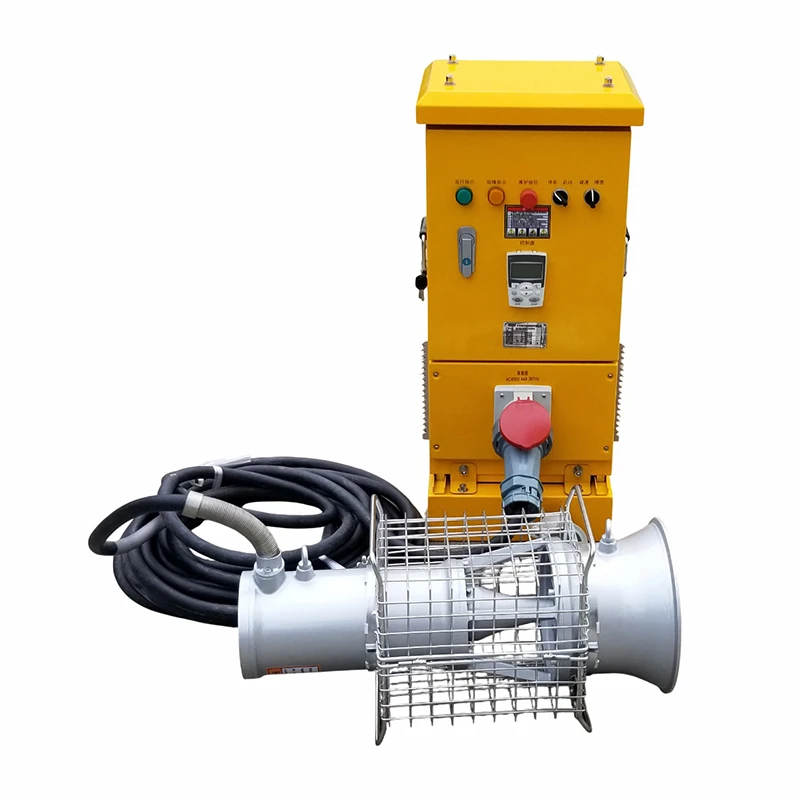
- Impeller Design: The design of the impeller, including the number, shape, and size of the vanes, can have a significant impact on the pump's performance. A well-designed impeller will be able to transfer energy from the motor to the fluid efficiently, resulting in higher flow rates and better overall performance.
- Speed of Rotation: The speed of rotation of the impeller is directly proportional to the amount of flow generated by the pump. However, increasing the speed of rotation also increases the power consumption of the pump, so it is important to find the optimal speed of rotation for the specific application.
- Fluid Viscosity: The viscosity of the fluid being pumped can also affect the performance of the impeller. More viscous fluids, such as sludge or slurry, will require more energy to pump than less viscous fluids, such as water. This means that the impeller may need to be designed differently or operated at a higher speed to achieve the same flow rates with more viscous fluids.
- Cavitation: Cavitation is a phenomenon that occurs when the pressure in the fluid drops below the vapor pressure of the fluid, causing the formation of vapor bubbles. These bubbles can collapse violently, causing damage to the impeller and reducing the pump's performance. To prevent cavitation, it is important to ensure that the pump is operating within its recommended NPSH range.
Applications of Mobile Drainage Pumps
Mobile drainage pumps are used in a wide range of applications, including:
- Floodwater Drainage: Mobile drainage pumps are often used to remove floodwater from low-lying areas, such as basements, streets, and construction sites. These pumps can quickly and efficiently remove large volumes of water, helping to prevent damage to property and infrastructure. Floodwater Drainage Mobile Pump
- Dewatering: Mobile dewatering pumps are used to remove water from construction sites, mines, and other areas where water needs to be removed to allow for work to proceed. These pumps can handle a variety of fluids, including water, sludge, and slurry. Mobile Dewatering Pump
- Government Emergency Flood Control: Mobile drainage pumps are also used by government agencies for emergency flood control. These pumps can be quickly deployed to areas affected by floods to help prevent further damage and protect lives and property. Government Emergency Flood Control Pump
Conclusion
The impeller is a critical component in a mobile drainage pump, responsible for generating the necessary force to move water efficiently. By understanding how the impeller works and the factors that affect its performance, you can choose the right pump for your specific application and ensure that it operates at peak efficiency.
If you are in the market for a mobile drainage pump, I encourage you to contact us to discuss your specific needs. Our team of experts can help you choose the right pump for your application and provide you with the support and service you need to keep your pump running smoothly.
References
- "Centrifugal Pumps: Design and Application" by Igor J. Karassik, Joseph P. Messina, Paul Cooper, and Charles C. Heald
- "Pump Handbook" by Igor J. Karassik, Joseph P. Messina, Paul Cooper, and Charles C. Heald
- "Fluid Mechanics" by Frank M. White