


Hey there! As a supplier of fire water supply pumps, I've seen firsthand how crucial it is to ensure the top - notch fire - fighting performance of these pumps. In this blog, I'm gonna share some key points on how to make sure your fire water supply pump can handle the heat when a fire breaks out.
1. Proper Selection of the Pump
The first step in ensuring the fire - fighting performance of a fire water supply pump is choosing the right one. You can't just pick any pump off the shelf. You need to consider a bunch of factors.
- Flow Rate: The flow rate of the pump determines how much water it can deliver per unit of time. For fire - fighting scenarios, you gotta have enough water to douse the flames. A high - flow pump can quickly flood an area, which is super important in large fires. For instance, in a big industrial complex, a pump with a low flow rate might not be able to keep up with the fire's spread.
- Head Pressure: Head pressure refers to the height and distance the pump can push the water. You need to make sure the pump can reach all the areas that might catch fire. In multi - story buildings, a pump with insufficient head pressure won't be able to reach the upper floors.
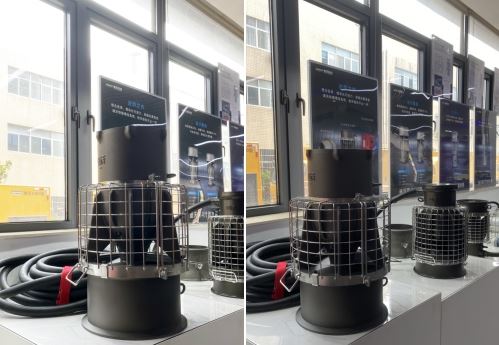
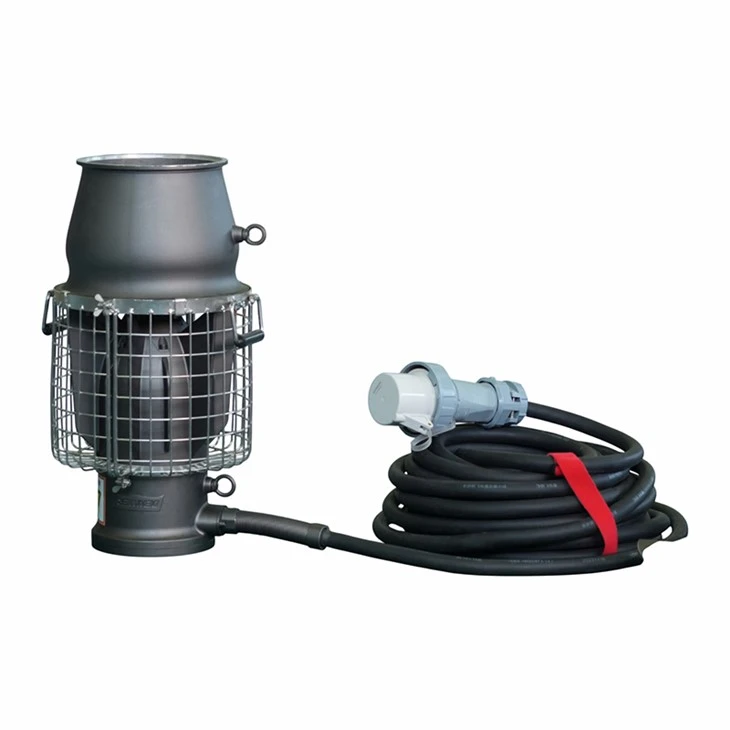
We offer a wide range of pumps, like the BQS400 - 300 Mining Explosion - Proof Submersible Drainage Pump. This pump is designed to meet high - demand scenarios, with a great balance of flow rate and head pressure, making it suitable for various fire - fighting situations.
2. Regular Maintenance
Just like your car needs regular tune - ups, fire water supply pumps need consistent maintenance.
- Inspection: Regularly check the pump for any signs of wear and tear. Look at the pump's impeller, seals, and bearings. A worn - out impeller can reduce the pump's efficiency, while a leaking seal can cause a loss of pressure. You should also check for any blockages in the intake or discharge pipes.
- Lubrication: Lubricate the moving parts of the pump as recommended by the manufacturer. This helps reduce friction and wear, which can extend the pump's lifespan.
- Testing: Conduct regular performance tests. Run the pump periodically to make sure it's working at its best. Check the flow rate and head pressure during these tests. If the performance is below the expected levels, you need to figure out what's wrong and fix it.
3. Quality Installation
A pump is only as good as its installation. If it's not installed properly, it won't perform well, even if it's a high - quality pump.
- Location: Choose the right location for the pump. It should be easily accessible for maintenance and inspection. Also, make sure it's protected from the elements. For example, if it's installed outdoors, it should be in a sheltered area to prevent damage from rain, snow, or extreme temperatures.
- Piping: The piping system is just as important as the pump itself. Use high - quality pipes that can withstand high pressure. Make sure the pipes are properly connected and sealed to prevent leaks. The layout of the pipes should also be optimized to minimize pressure loss.
4. Training for Operators
Even the best - designed and well - maintained pump won't work effectively if the operators don't know how to use it.
- Basic Operation: Operators should be trained on the basic operation of the pump, including how to start, stop, and adjust it. They should also know how to read the pump's gauges to monitor its performance.
- Emergency Response: In case of a fire, operators need to know how to quickly and safely activate the pump. They should be trained on emergency procedures, like what to do if the pump fails or if there's a problem with the water supply.
5. Compatibility with the Water Source
The fire water supply pump needs to be compatible with the water source.
- Water Quality: The quality of the water can affect the pump's performance. If the water is dirty or contains a lot of sediment, it can clog the pump's intake or damage the impeller. You may need to install a filtration system if the water quality is poor.
- Water Quantity: Make sure the water source can provide enough water for the pump. In some cases, you may need to use a backup water source, like a storage tank, to ensure a continuous supply of water during a fire.
We also have other great products like the Submersible Pump For Flood Control and the Mobile Flooding Control Pump. These pumps can also be used in fire - fighting scenarios in some cases, especially when dealing with large - scale water - related emergencies.
6. Monitoring and Upgrades
Technology is constantly evolving, and so should your fire water supply pump system.
- Monitoring Systems: Install monitoring systems to keep track of the pump's performance in real - time. These systems can alert you if there are any issues, like a drop in pressure or a rise in temperature.
- Upgrades: Consider upgrading your pump and its components as new technologies become available. Newer pumps may be more energy - efficient, have a higher flow rate, or be more reliable.
Conclusion
Ensuring the fire - fighting performance of a fire water supply pump is a multi - faceted process. It involves proper selection, regular maintenance, quality installation, operator training, compatibility with the water source, and continuous monitoring and upgrades.
If you're in the market for a reliable fire water supply pump or need advice on how to improve the performance of your existing pump, don't hesitate to reach out. We're here to help you make the right choices and ensure that your fire - fighting system is up to the task. Let's work together to keep your properties and lives safe from the threat of fire.
References
- Fire Protection Handbook, National Fire Protection Association
- Pump Handbook, Karassik, I. J. et al.