


Can a mobile pump be used for irrigation?
As a supplier of mobile pumps, I am often asked whether our mobile pumps can be used for irrigation. The answer is a resounding yes! Mobile pumps are highly versatile and can be effectively employed in various irrigation scenarios, offering numerous advantages over traditional fixed - pump systems.
The Basics of Mobile Pumps
Mobile pumps are designed to be easily transported and set up at different locations. They come in a variety of types, including centrifugal pumps, diaphragm pumps, and piston pumps, each with its own set of characteristics and applications. These pumps are powered by different sources such as diesel engines, electric motors, or gasoline engines, providing flexibility depending on the availability of power in the irrigation area.

Advantages of Using Mobile Pumps for Irrigation
- Flexibility and Mobility
One of the most significant advantages of mobile pumps is their ability to be moved from one field to another. In a large agricultural operation, different fields may require irrigation at different times. With a mobile pump, farmers can quickly relocate the pump to the area that needs watering, eliminating the need for multiple fixed - pump installations. This not only saves on equipment costs but also reduces the time and effort required for system setup and maintenance. - Cost - Effectiveness
Compared to installing a permanent irrigation system, mobile pumps are a more cost - effective option, especially for small - to - medium - sized farms. The initial investment in a mobile pump is relatively low, and there are no expensive infrastructure costs such as laying pipes and building pump houses. Additionally, mobile pumps can be rented if the need for irrigation is occasional, further reducing the financial burden on farmers. - Adaptability to Different Water Sources
Mobile pumps can draw water from a variety of sources, including rivers, lakes, wells, and even rainwater collection tanks. This adaptability is crucial in areas where water availability may vary or where different water sources need to be utilized depending on the season. For example, during the dry season, a mobile pump can be used to draw water from a deep well, while in the wet season, it can pump water from a nearby river or lake. - Emergency Irrigation
In case of unexpected droughts or water shortages, mobile pumps can be quickly deployed to provide emergency irrigation. They can be used to supplement existing irrigation systems or to water crops in areas that are not normally irrigated. This ability to respond rapidly to changing water conditions can help farmers minimize crop losses and ensure a stable harvest.
Types of Mobile Pumps Suitable for Irrigation
- Centrifugal Mobile Pumps
Centrifugal pumps are the most commonly used type of mobile pump for irrigation. They work by using a rotating impeller to create a centrifugal force that moves water through the pump. Centrifugal pumps are known for their high flow rates and relatively low head requirements, making them ideal for large - scale irrigation of flat or gently sloping fields. They can handle a wide range of water viscosities and are relatively easy to operate and maintain. - Diaphragm Mobile Pumps
Diaphragm pumps are positive displacement pumps that use a flexible diaphragm to move water. They are suitable for irrigation applications where a high - pressure output is required, such as in drip irrigation systems or for pumping water over long distances. Diaphragm pumps are also capable of handling abrasive and viscous fluids, making them a good choice for irrigation water that may contain sediment or other impurities. - Piston Mobile Pumps
Piston pumps are another type of positive displacement pump that can be used for irrigation. They are known for their high - pressure capabilities and are often used in applications where water needs to be pumped to a high elevation or through a long pipeline. Piston pumps are more complex and expensive than centrifugal pumps but can provide a more consistent flow rate and pressure.
Considerations When Using Mobile Pumps for Irrigation
- Flow Rate and Head Requirements
Before selecting a mobile pump for irrigation, it is important to determine the required flow rate and head. The flow rate is the volume of water that needs to be pumped per unit of time, while the head is the height to which the water needs to be lifted and the pressure required to overcome friction in the pipes. These parameters will depend on the size of the irrigated area, the type of irrigation system (e.g., sprinkler, drip), and the topography of the land. - Water Quality
The quality of the irrigation water can have a significant impact on the performance and lifespan of the mobile pump. Water that contains high levels of sediment, sand, or other abrasive particles can cause wear and tear on the pump components, leading to reduced efficiency and increased maintenance costs. It is important to use appropriate filtration systems to remove these impurities before the water enters the pump. - Power Source
The choice of power source for the mobile pump will depend on the availability of power in the irrigation area. Diesel - powered pumps are popular in rural areas where electricity may not be readily available, while electric - powered pumps are more suitable for areas with a reliable power grid. Gasoline - powered pumps are a good option for small - scale or occasional irrigation applications. - Maintenance and Service
Regular maintenance is essential to ensure the proper functioning of the mobile pump. This includes checking the pump components for wear and tear, lubricating moving parts, and cleaning the filter. It is also important to have access to reliable service and support in case of any pump failures or malfunctions.
Our Mobile Pump Products for Irrigation
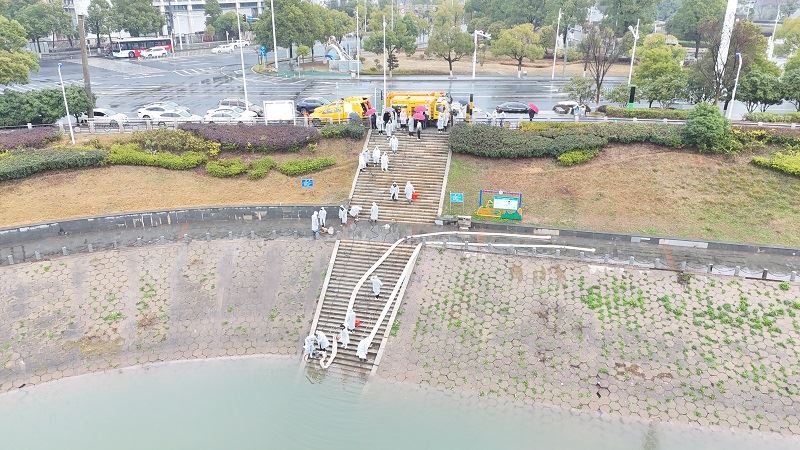
At our company, we offer a wide range of mobile pumps that are suitable for irrigation applications. Our Municipal Emergency Rescue Pump can also be used in irrigation scenarios where high - volume water transfer is required. It is designed for quick deployment and can handle large amounts of water, making it ideal for flood irrigation or irrigating large fields.
Our Submersible Pump For Flood Control can be used to draw water from deep water sources such as wells or lakes. Its submersible design allows it to operate quietly and efficiently, and it is suitable for both small - scale and large - scale irrigation projects.
The Dam Lake Drainage Emergency Pump is another option for irrigation. It is designed to handle high - pressure pumping and can be used to transfer water from dams or lakes to the irrigated fields.
Contact Us for Purchasing and Consultation
If you are interested in using mobile pumps for irrigation or have any questions about our products, we encourage you to contact us. Our team of experts can provide you with detailed information about the different types of mobile pumps, help you select the right pump for your specific needs, and offer guidance on installation, operation, and maintenance. We are committed to providing high - quality products and excellent customer service to ensure your irrigation needs are met effectively.
References
- ASABE Standards. (2023). Agricultural Irrigation Systems Standards. American Society of Agricultural and Biological Engineers.
- Water Management in Agriculture. (2022). FAO Irrigation and Drainage Paper. Food and Agriculture Organization of the United Nations.
- Pump Handbook. (2021). McGraw - Hill Professional.