



As a supplier of trailer mounted pumps, I've witnessed firsthand the diverse applications and impressive capabilities of these remarkable machines. Trailer mounted pumps are versatile and reliable tools used in a wide range of industries, from construction and agriculture to emergency flood control and drought relief. In this blog post, I'll delve into the inner workings of trailer mounted pumps, explaining how they function and highlighting their key components and benefits.
Basic Working Principle of Trailer Mounted Pumps
At its core, a trailer mounted pump operates on the principle of converting mechanical energy into hydraulic energy to move fluids. The process begins with a power source, typically an engine or an electric motor, which provides the necessary energy to drive the pump. The power source is connected to the pump's impeller, a rotating component with curved blades. As the impeller spins, it creates a centrifugal force that draws fluid into the pump through the inlet.
Once the fluid enters the pump, the impeller accelerates it, increasing its velocity and pressure. The high - velocity fluid is then directed towards the pump's volute, a spiral - shaped chamber that gradually expands in size. As the fluid moves through the volute, its velocity decreases, and its pressure increases further according to the principle of conservation of energy. Finally, the high - pressure fluid is discharged through the outlet and directed to its intended destination, such as a storage tank, a drainage system, or an irrigation network.
Key Components of Trailer Mounted Pumps
1. Power Source
The power source is the heart of the trailer mounted pump, providing the energy needed to drive the impeller. Gasoline engines are commonly used for smaller, portable trailer mounted pumps due to their ease of use and portability. Diesel engines, on the other hand, are preferred for larger pumps as they offer higher power output, better fuel efficiency, and longer operating hours. Electric motors are also an option, especially in applications where a reliable electrical supply is available. They are quiet, efficient, and environmentally friendly.
2. Pump Housing
The pump housing encloses the impeller and volute, providing a sealed chamber for the fluid to flow through. It is typically made of durable materials such as cast iron, stainless steel, or aluminum to withstand the pressure and corrosion of the pumped fluid. The housing also has inlets and outlets that are designed to connect to the fluid source and the discharge pipe.
3. Impeller
The impeller is a crucial component that determines the pump's performance. It is designed with curved blades that are carefully shaped to create the centrifugal force needed to draw in and accelerate the fluid. The number, shape, and size of the blades can vary depending on the pump's application and the type of fluid being pumped. For example, pumps used for pumping solids - laden fluids may have larger, more robust blades to prevent clogging.
4. Shaft and Bearings
The shaft connects the impeller to the power source, transmitting the rotational energy from the engine or motor to the impeller. Bearings are used to support the shaft and reduce friction, ensuring smooth and efficient operation. High - quality bearings are essential to prevent premature wear and failure of the pump.
5. Control Panel
Most trailer mounted pumps are equipped with a control panel that allows the operator to start, stop, and monitor the pump's operation. The control panel may include switches, gauges, and indicators for functions such as engine speed, pump pressure, and fluid level. Some advanced control panels also offer features such as automatic shutdown in case of over - pressure or low - oil level, enhancing the safety and reliability of the pump.
Applications of Trailer Mounted Pumps
1. Construction Sites
Trailer mounted pumps are widely used on construction sites for dewatering excavations, foundations, and basements. They can quickly remove large volumes of water, allowing construction work to proceed safely and efficiently. For example, in the construction of a high - rise building, a trailer mounted pump can be used to keep the excavation dry during the foundation work.
2. Agriculture
In the agricultural sector, trailer mounted pumps are used for irrigation, drainage, and water transfer. They can be used to pump water from wells, rivers, or lakes to irrigate crops, ensuring a consistent water supply for healthy plant growth. During the rainy season, they can also be used to drain excess water from fields to prevent waterlogging.
3. Flood Control
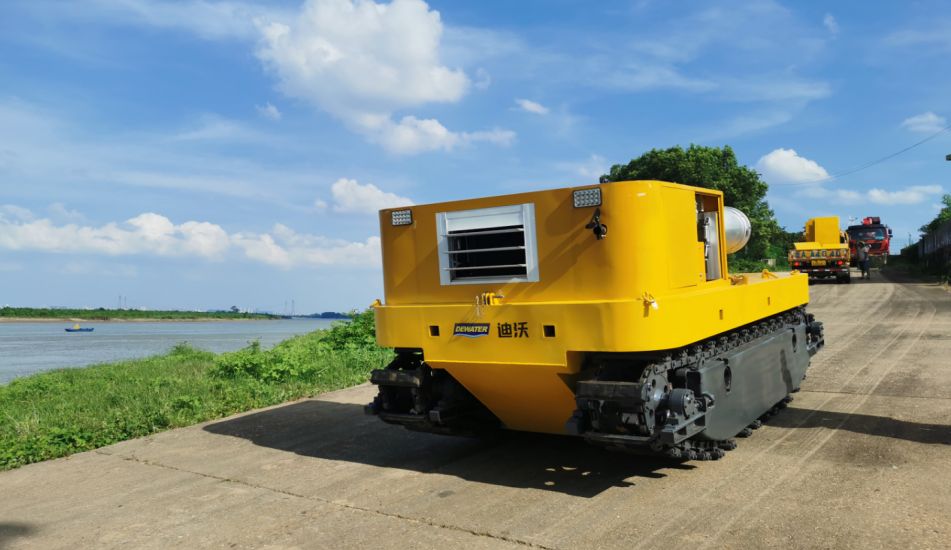
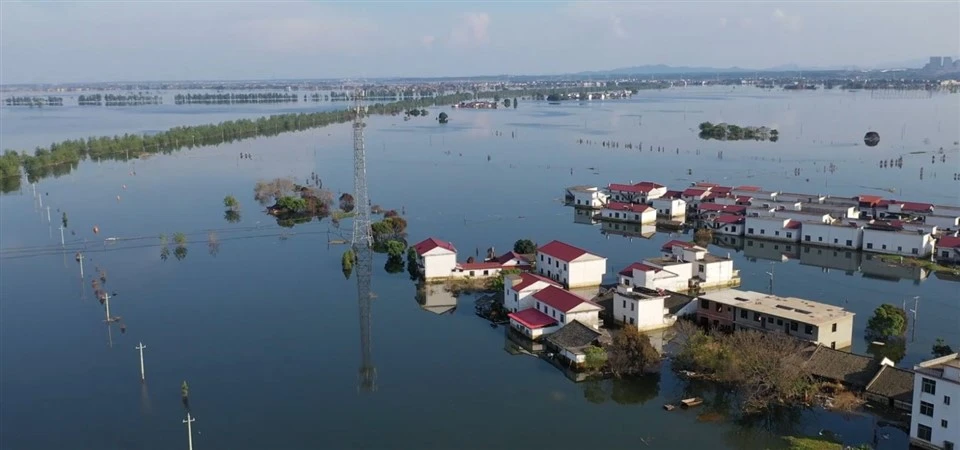
During flood events, trailer mounted pumps play a crucial role in flood control and emergency response. They can be quickly deployed to flood - affected areas to pump water out of flooded streets, buildings, and low - lying areas. Large Mobile Drainage Pump Station and Flood Control Pump Truck are examples of specialized trailer mounted pump systems designed for large - scale flood control operations.
4. Drought Relief
In times of drought, trailer mounted pumps can be used for drought relief by transferring water from available sources to areas in need. Drought Relief Drainage Pump Truck is a type of trailer mounted pump that is specifically designed for this purpose, capable of pumping water over long distances and to higher elevations.
Benefits of Trailer Mounted Pumps
1. Portability
One of the main advantages of trailer mounted pumps is their portability. They can be easily transported to different locations using a trailer, allowing them to be quickly deployed wherever they are needed. This makes them ideal for temporary or mobile applications.
2. Versatility
Trailer mounted pumps can be used to pump a wide variety of fluids, including water, sewage, chemicals, and slurries. They can also be configured with different types of impellers and pump housings to suit different applications and operating conditions.
3. Easy to Operate
Most trailer mounted pumps are designed to be user - friendly, with simple controls and easy - to - understand operating instructions. This means that even operators with limited technical knowledge can operate the pumps safely and effectively.
4. Cost - Effective
Compared to fixed - installation pumps, trailer mounted pumps are generally more cost - effective. They require less infrastructure investment and can be rented or purchased at a relatively low cost. Additionally, their portability allows them to be used for multiple projects, maximizing their return on investment.
Contact for Purchase and洽谈
If you're interested in learning more about our trailer mounted pumps or are considering a purchase for your specific application, we'd love to hear from you. Our team of experts can provide you with detailed information about our products, help you select the right pump for your needs, and answer any questions you may have. Whether you're dealing with flood control, agricultural irrigation, or construction dewatering, our trailer mounted pumps are designed to deliver reliable performance. Don't hesitate to reach out for a consultation and let us assist you in finding the perfect pumping solution.
References
- Cengel, Y. A., & Cimbala, J. M. (2014). Fluid Mechanics: Fundamentals and Applications. McGraw - Hill Education.
- Pump Handbook (4th Edition). Karassik, I. J., Messina, R. W., Cooper, P. & Heald, C. C. (Eds.). McGraw - Hill.