


As a supplier of Mobile Flood Relief Systems, I've witnessed firsthand the critical role these systems play in mitigating the devastating impacts of floods. In this blog, I'll delve into the regulatory requirements that govern Mobile Flood Relief Systems, providing insights into the standards and guidelines that ensure their safety, reliability, and effectiveness.
Understanding the Regulatory Landscape
The regulatory requirements for Mobile Flood Relief Systems vary depending on the country, region, and specific application. In general, these requirements are designed to protect public safety, minimize environmental impact, and ensure the proper functioning of the equipment. Some of the key regulatory bodies and standards that may apply to Mobile Flood Relief Systems include:
- International Standards: Organizations such as the International Organization for Standardization (ISO) and the International Electrotechnical Commission (IEC) develop global standards for various industries, including flood relief equipment. These standards cover aspects such as design, manufacturing, testing, and safety.
- National and Local Regulations: Each country and region may have its own set of regulations and codes that govern the use of Mobile Flood Relief Systems. These regulations may include requirements for equipment certification, installation, operation, and maintenance.
- Industry Guidelines: Industry associations and professional organizations often develop guidelines and best practices for Mobile Flood Relief Systems. These guidelines can provide valuable insights into the latest technologies, design principles, and operational procedures.
Key Regulatory Requirements
Equipment Design and Manufacturing
- Safety Standards: Mobile Flood Relief Systems must meet strict safety standards to protect operators and the public. These standards may include requirements for electrical safety, mechanical safety, and fire safety. For example, the equipment should be designed to prevent electrical shocks, protect against mechanical hazards, and be equipped with fire suppression systems.
- Performance Requirements: The systems must be capable of delivering the required flow rate and head pressure to effectively remove floodwater. They should also be designed to operate efficiently and reliably under various conditions, including high water levels, debris-laden water, and extreme weather conditions.
- Materials and Construction: The materials used in the construction of Mobile Flood Relief Systems must be durable, corrosion-resistant, and able to withstand the harsh environments typically encountered during flood relief operations. The equipment should also be designed to be easy to transport, assemble, and disassemble.
Installation and Commissioning
- Site Assessment: Before installing a Mobile Flood Relief System, a thorough site assessment must be conducted to determine the suitability of the location. This assessment should consider factors such as the topography, soil conditions, water source, and access to power and other utilities.
- Installation Procedures: The installation of the system must be carried out in accordance with the manufacturer's instructions and relevant safety standards. This may include requirements for proper anchoring, leveling, and connection of the equipment.
- Commissioning and Testing: Once the system is installed, it must be commissioned and tested to ensure that it is operating correctly. This may involve conducting performance tests, checking for leaks, and verifying the functionality of all components.
Operation and Maintenance
- Operator Training: Operators of Mobile Flood Relief Systems must receive proper training on the safe and effective operation of the equipment. This training should cover topics such as equipment startup and shutdown procedures, maintenance requirements, and emergency response protocols.
- Maintenance Schedules: Regular maintenance is essential to ensure the continued performance and reliability of Mobile Flood Relief Systems. The manufacturer's recommended maintenance schedule should be followed, and all maintenance activities should be documented.
- Inspections and Testing: Periodic inspections and testing of the equipment should be conducted to identify any potential issues or defects. This may include visual inspections, performance tests, and component replacements as needed.
Environmental Considerations
- Water Quality: Mobile Flood Relief Systems must be designed to prevent the contamination of floodwater and the surrounding environment. This may involve the use of filtration systems, sedimentation tanks, and other water treatment technologies to remove debris, pollutants, and contaminants from the water.
- Noise and Vibration: The operation of Mobile Flood Relief Systems can generate significant noise and vibration, which can have a negative impact on the surrounding environment and nearby communities. The equipment should be designed to minimize noise and vibration levels, and appropriate measures should be taken to mitigate any potential impacts.
- Disposal of Waste: The disposal of waste generated during flood relief operations, such as debris, sediment, and contaminated water, must be carried out in accordance with local environmental regulations. This may involve the use of approved disposal methods and facilities.
Meeting Regulatory Requirements
As a supplier of Mobile Flood Relief Systems, it is our responsibility to ensure that our products meet all relevant regulatory requirements. We work closely with regulatory bodies, industry associations, and other stakeholders to stay up-to-date on the latest standards and guidelines. Our products are designed and manufactured to meet or exceed these requirements, and we provide comprehensive training and support to our customers to ensure that they are able to operate and maintain the equipment safely and effectively.
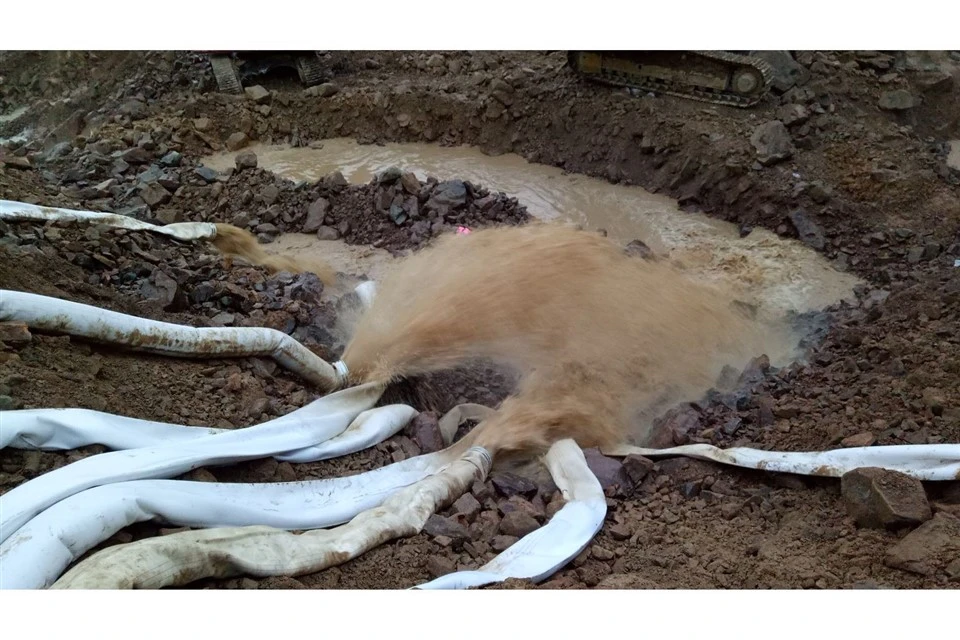
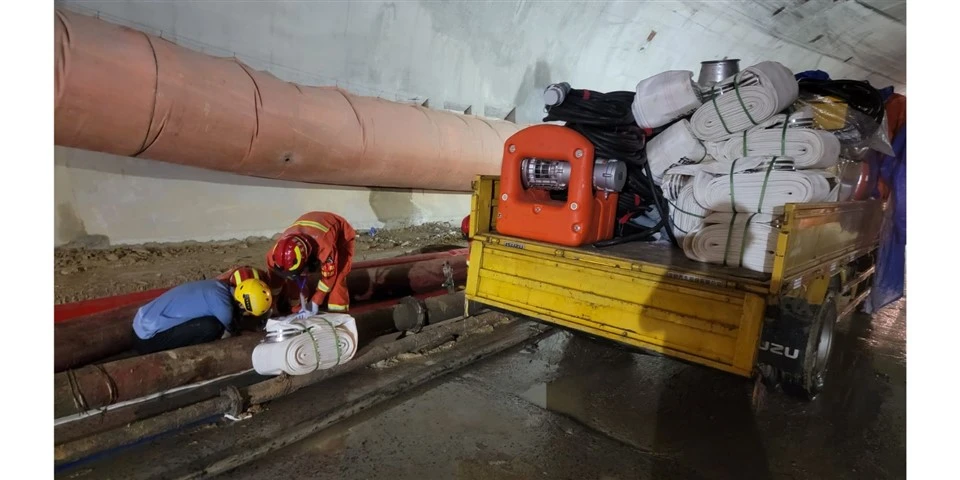
In addition to meeting regulatory requirements, we also strive to provide our customers with high-quality, innovative solutions that are tailored to their specific needs. Our Rainstorm Emergency Drainage Equipment, Flood-fighting and Rescue Mobile Pump, and Mobile Drain Pump Truck for Flood Control are designed to provide reliable and efficient flood relief solutions in a variety of applications.
Conclusion
Regulatory requirements play a crucial role in ensuring the safety, reliability, and effectiveness of Mobile Flood Relief Systems. By understanding and complying with these requirements, we can help to protect the public, minimize environmental impact, and ensure the successful implementation of flood relief operations. As a supplier of Mobile Flood Relief Systems, we are committed to providing our customers with high-quality, compliant solutions that meet their specific needs.
If you are interested in learning more about our Mobile Flood Relief Systems or have any questions about regulatory requirements, please contact us to discuss your requirements and explore how we can assist you in your flood relief efforts.
References
- International Organization for Standardization (ISO). (Year). ISO [Standard Number]: [Standard Title].
- International Electrotechnical Commission (IEC). (Year). IEC [Standard Number]: [Standard Title].
- [National Regulatory Body]. (Year). [Regulation Name].
- [Industry Association]. (Year). [Guideline Name].