


Hey there! As a supplier of Rescue Mobile Drainage Pumps, I often get asked about safety precautions when using these nifty machines. Well, let me tell you, safety is super important, and I'm here to spill the beans on all the dos and don'ts.
First off, before you even think about firing up a rescue mobile drainage pump, you've gotta do a thorough inspection. Check the pump for any visible damage. Look at the hoses, for example. Make sure they're not cracked or split. A small hole in a hose can lead to significant problems down the line, like leaks that can reduce the pump's efficiency or even cause it to malfunction. Also, examine the electrical connections if it's an electric pump. Loose wires can be a huge hazard, potentially causing electric shocks or starting a fire.
If your pump has a fuel tank, make sure it's in good condition too. Look for any signs of rust or corrosion. And never fill the fuel tank while the pump is running or hot. Gasoline or diesel vapors can be extremely flammable, and if there's a spark, it could lead to a fire. It's always best to let the pump cool down completely before refueling, and do it in a well - ventilated area.
Another crucial thing is to set up the pump on a stable surface. You don't want it wobbling around while it's working. An unstable surface can cause the pump to tip over, damaging the machine and potentially injuring someone. If you're using it on an uneven ground, use leveling tools or blocks to make sure the pump is secure.
When it comes to the actual operation, always follow the manufacturer's instructions. These instructions are there for a reason, and they're based on extensive testing and research. For instance, some pumps have a specific way to start and stop them. Ignoring these procedures can not only damage the pump but also put you at risk.

Personal protective equipment (PPE) is a must. Wear safety goggles to protect your eyes from any debris or splashing water. Gloves are also important, especially if you're handling the hoses or doing any maintenance. They can protect your hands from cuts, abrasions, and any chemicals that might be in the water being pumped. And if you're working in a noisy environment, which is likely when a pump is running, wear ear protection to prevent long - term hearing damage.
Let's talk about the hoses a bit more. When connecting and disconnecting the hoses, make sure they're properly secured. Loose hoses can pop off during operation, spraying water everywhere and creating a safety hazard. You don't want to be in the path of a high - pressure water jet!
If you're using a pump with a suction hose, ensure that the hose is fully submerged in the water. If the hose isn't submerged enough, it can start sucking in air, which will reduce the pump's performance and could even cause it to overheat.
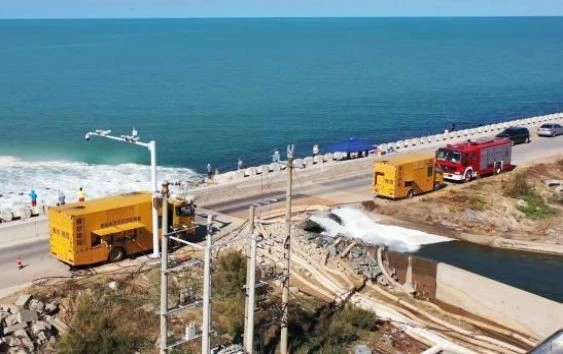
Now, let's touch on some of the different types of rescue mobile drainage pumps we offer. We've got the Mobile Pump Station On Wheels, which is incredibly convenient. It can be easily moved around to different locations, perfect for emergency situations. And then there's the Seawater Backfilling Drainage Pump. This pump is designed to handle seawater, which is a bit more corrosive than regular water. So, it's built with materials that can withstand the harsh conditions of seawater. And if you need a high - volume pumping solution, our Large Flow Mobile Pump Station is the way to go. It can move a massive amount of water quickly, which is essential in flood - control and other large - scale drainage operations.
During the operation of the pump, keep an eye on its performance. If you notice any strange noises, vibrations, or a decrease in pumping capacity, stop the pump immediately. These could be signs of a problem, and continuing to run the pump could make the issue worse.
Maintenance is also a key part of safety. Regularly clean the pump and its components. Over time, dirt and debris can build up, which can affect the pump's efficiency and potentially cause damage. Check the oil levels if it's a pump with an engine, and change the oil at the recommended intervals.
When you're done using the pump, make sure to store it properly. Keep it in a dry, protected area. If it's going to be stored for an extended period, follow the manufacturer's instructions on winterizing or long - term storage. This can prevent damage from freezing temperatures or other environmental factors.
In summary, using a rescue mobile drainage pump can be safe as long as you take the right precautions. Inspect the pump before use, set it up on a stable surface, wear the appropriate PPE, follow the manufacturer's instructions, and keep an eye on its performance. If you have any questions about our pumps, whether it's about the Mobile Pump Station On Wheels, the Seawater Backfilling Drainage Pump, or the Large Flow Mobile Pump Station, feel free to reach out. We're here to help you make the right choice for your needs and ensure you use the pumps safely.
If you're in the market for a high - quality rescue mobile drainage pump, we'd love to talk to you. Whether you're dealing with flood control, construction site drainage, or any other emergency situation, our pumps are up to the task. Contact us for a detailed discussion about your requirements and to get a quote. We look forward to working with you!
References
- Manufacturer's manuals for rescue mobile drainage pumps.
- Safety guidelines for industrial equipment operation.