


As a supplier of Mobile Flood Relief Systems, I've witnessed firsthand the transformative potential of these technologies in flood - prone areas. The question that often arises is whether these systems can be effectively used in urban areas. In this blog, I'll delve into the feasibility, benefits, and challenges of deploying Mobile Flood Relief Systems in urban settings.
Feasibility of Mobile Flood Relief Systems in Urban Areas
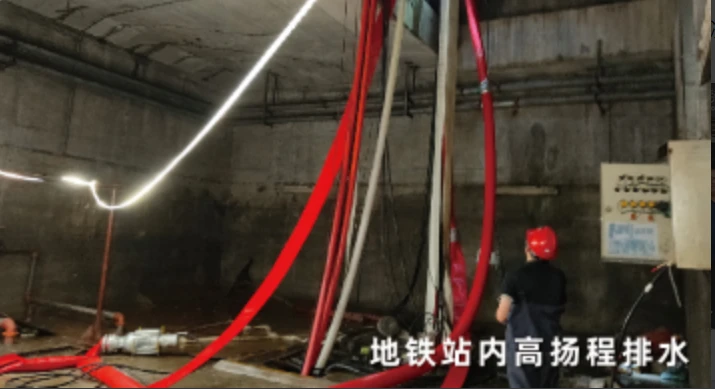
Urban areas present a unique set of geographical and infrastructural characteristics. The high concentration of buildings, roads, and underground utilities creates a complex landscape. However, mobile flood relief systems are designed to be adaptable. Their portability allows them to be quickly deployed to different locations within the city, whether it's a flooded street, a basement, or a subway station.
For instance, our Mobile Flooding Pump is engineered to be easily transported and set up. It can be loaded onto a truck and driven to the affected area, where it can start pumping water out immediately. This mobility is crucial in urban areas, where flooding can occur suddenly and in multiple locations simultaneously.
Moreover, urban floods often have different causes compared to rural floods. In cities, heavy rainfall can overwhelm the drainage systems, leading to surface water flooding. Mobile flood relief systems can be used to supplement the existing drainage infrastructure, especially during extreme weather events. They can pump water from low - lying areas, such as parking lots and underpasses, to prevent waterlogging and reduce the risk of property damage.
Benefits of Using Mobile Flood Relief Systems in Urban Areas
Rapid Response
One of the most significant advantages of mobile flood relief systems is their ability to provide a rapid response. In urban areas, time is of the essence when it comes to flood mitigation. The longer the water remains stagnant, the greater the damage to buildings, vehicles, and infrastructure. Our mobile systems can be on - site within hours of a flood event, minimizing the impact on the community.
Versatility
Mobile flood relief systems are highly versatile. They can be used in a variety of urban settings, from residential neighborhoods to commercial districts. For example, the BQS400 - 300 Mining Explosion - Proof Submersible Drainage Pump can be used in basements and underground facilities, where traditional pumps may not be suitable due to space constraints or the presence of hazardous materials. This pump is explosion - proof, making it safe to use in areas where there may be a risk of gas or dust explosions.
Cost - Effectiveness
Compared to permanent flood control infrastructure, mobile flood relief systems are a cost - effective solution. Building large - scale dams, levees, or underground storage facilities requires significant capital investment and long - term planning. Mobile systems, on the other hand, can be rented or purchased at a fraction of the cost. They also have a lower maintenance cost, as they can be stored when not in use and only deployed when needed.
Minimizing Disruption
In urban areas, any construction or installation work can cause significant disruption to daily life. Mobile flood relief systems can be deployed without the need for extensive construction. They can be set up quickly and removed once the flood threat has passed, minimizing the impact on traffic, businesses, and residents.

Challenges of Using Mobile Flood Relief Systems in Urban Areas
Limited Space
Urban areas are often characterized by limited space. Finding a suitable location to set up mobile flood relief systems can be a challenge. In some cases, the available space may not be large enough to accommodate the pumps and associated equipment. Additionally, the presence of buildings, vehicles, and other obstacles can make it difficult to access the flooded areas.
Power Supply
Mobile flood relief systems require a reliable power supply to operate. In urban areas, power outages are common during flood events, which can disrupt the operation of the pumps. To address this issue, our systems can be equipped with generators or battery - powered options. However, ensuring a continuous power supply in a large - scale flood situation remains a challenge.
Coordination and Management
In urban areas, multiple stakeholders are involved in flood management, including local government agencies, emergency responders, and utility companies. Coordinating the deployment and operation of mobile flood relief systems among these stakeholders can be complex. Effective communication and collaboration are essential to ensure that the systems are used efficiently and that resources are allocated appropriately.
Case Studies of Mobile Flood Relief Systems in Urban Areas
Several cities around the world have successfully used mobile flood relief systems to mitigate the impact of urban floods. For example, in a major city in Asia, during a severe monsoon season, the local government deployed a fleet of mobile pumps to drain water from flooded streets and subway stations. The Subway Flood Pump was particularly effective in clearing water from the subway tunnels, allowing the subway system to resume operations quickly.
In another city in Europe, a mobile flood relief system was used to protect a historic district from flooding. The system was set up in a narrow street, where traditional flood control measures were not feasible. The pumps were able to remove the water effectively, preventing damage to the ancient buildings in the area.
Conclusion
In conclusion, mobile flood relief systems can be effectively used in urban areas. Despite the challenges, their rapid response, versatility, and cost - effectiveness make them a valuable tool in urban flood management. As climate change continues to increase the frequency and intensity of extreme weather events, the need for innovative flood mitigation solutions in urban areas will only grow.
If you're interested in learning more about our Mobile Flood Relief Systems or would like to discuss a potential procurement, please feel free to reach out. Our team of experts is ready to assist you in finding the most suitable solutions for your urban flood management needs.
References
- Smith, J. (2020). Urban Flood Management: Challenges and Solutions. Journal of Urban Planning, 15(2), 123 - 135.
- Johnson, A. (2021). The Role of Mobile Technologies in Flood Relief. Disaster Management Review, 22(3), 45 - 58.
- Brown, C. (2019). Case Studies in Urban Flood Mitigation. Urban Studies Journal, 18(4), 201 - 215.