


In recent years, the escalating frequency and intensity of floods due to climate change have underscored the crucial role of efficient flood - relief systems. As a supplier of Mobile Flood Relief Systems, I've witnessed firsthand the demand for solutions that can quickly and effectively mitigate flood damage. However, an increasingly important question has emerged in the market: Are Mobile Flood Relief Systems environmentally friendly?
The Core Components of Mobile Flood Relief Systems
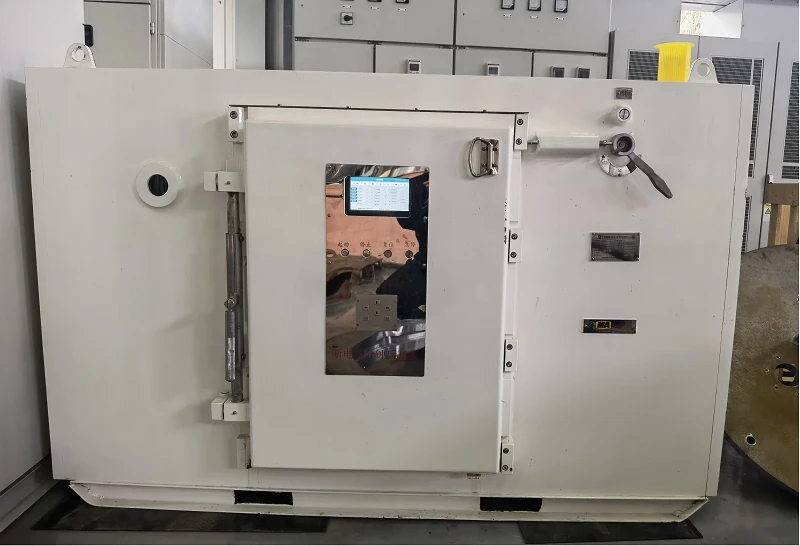
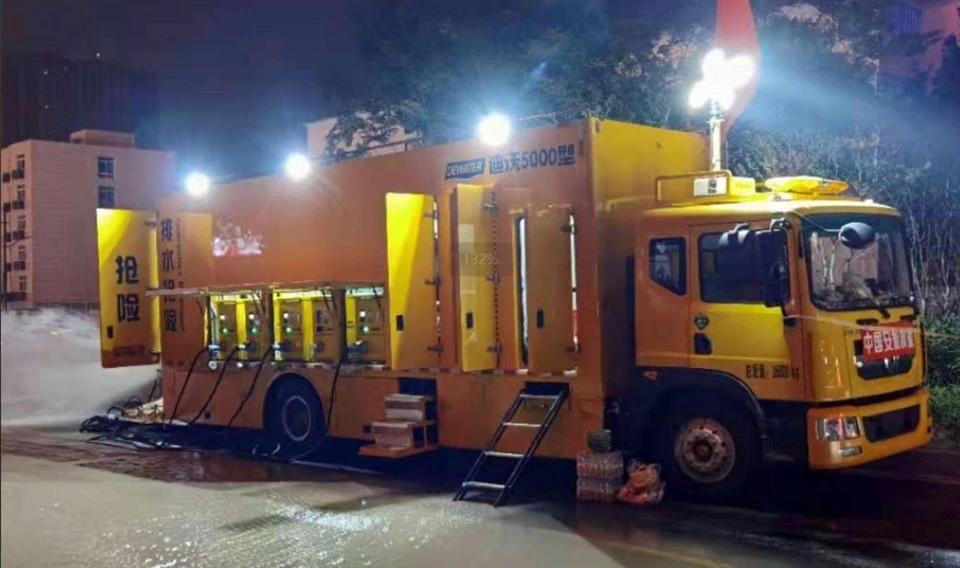
Mobile flood relief systems are complex assemblies designed to handle large - scale water displacement during flood events. At their heart are high - capacity pumps, like the Uninterrupted Emergency Drainage Pump. These pumps are engineered to operate continuously, ensuring that floodwaters are rapidly removed from affected areas.
Another key component is the BQS400 - 300 Mining Explosion - Proof Submersible Drainage Pump. This type of pump is not only useful in mining flood scenarios but can also be adapted for general flood relief. Its explosion - proof design makes it suitable for a variety of challenging environments.
Moreover, the Mine Flooded Drainage Rescue Equipment represents a comprehensive set of tools that can be mobilized to address different flood situations. These systems often include pipes, hoses, and power units, all of which are essential for a coordinated flood - fighting effort.
Environmental Considerations of Mobile Flood Relief Systems
Energy Consumption
One of the primary environmental concerns regarding mobile flood relief systems is energy consumption. Most of these systems rely on diesel or gasoline engines to power the pumps. Diesel engines, while powerful, are known for their relatively high carbon emissions. However, advancements in engine technology have led to the development of more fuel - efficient engines. Newer models are designed to optimize the combustion process, reducing both fuel consumption and greenhouse gas emissions.
Some systems are also exploring the use of alternative energy sources. For example, hybrid systems that combine diesel engines with battery - powered components are becoming more common. These hybrids can reduce the overall carbon footprint by using battery power during low - demand periods and switching to the diesel engine when higher power is required.
Noise Pollution
Noise pollution is another significant environmental issue. The operation of large pumps and engines can generate high - decibel noise levels, which can have a negative impact on local wildlife and human residents in the flood - affected areas. To mitigate this, manufacturers are implementing noise - reduction technologies. Sound - proof enclosures are being installed around the engines and pumps to dampen the noise. Additionally, the design of the pumps is being optimized to reduce the vibration and noise generated during operation.
Water Quality
When dealing with floodwaters, there is a risk of introducing contaminants into the environment. Floodwaters often carry a variety of pollutants, including chemicals, sewage, and debris. Mobile flood relief systems need to be designed to handle these contaminated waters without causing further environmental harm.
Some systems are equipped with filtration units that can remove large debris and some of the smaller contaminants from the floodwaters before discharging them. This helps to protect the receiving water bodies, such as rivers and lakes, from pollution.
Positive Environmental Impacts of Mobile Flood Relief Systems
Ecosystem Restoration
Although flood events can cause significant damage to ecosystems, mobile flood relief systems can play a role in restoring them. By quickly removing floodwaters, these systems can prevent long - term waterlogging, which can be detrimental to many plant and animal species. For example, in wetland areas, excessive flooding can kill off native plants and disrupt the habitat of water - dependent animals. Timely drainage can help these ecosystems recover more quickly.
Reducing the Need for Permanent Infrastructure
Mobile flood relief systems offer a more flexible alternative to permanent flood - control infrastructure. Building large - scale dams, levees, and canals can have a substantial environmental impact, including habitat destruction and the alteration of natural watercourses. Mobile systems can be deployed as needed, reducing the need for large - scale, long - term construction projects. This not only saves on resources but also minimizes the environmental disruption associated with building and maintaining permanent infrastructure.
Comparing Mobile Flood Relief Systems with Other Flood - Control Methods
When compared to traditional flood - control methods, mobile flood relief systems have several environmental advantages. Permanent infrastructure projects often require large amounts of concrete, steel, and other building materials, which have a high carbon footprint during their production. In contrast, mobile systems can be reused across different flood events, reducing the overall material consumption.
However, it's important to note that mobile systems also have their limitations. They are often less effective in preventing floods in the first place compared to well - designed permanent infrastructure. Therefore, a combination of both approaches may be the most environmentally friendly and effective solution in the long run.
Future Directions for Environmental Sustainability
As the demand for more environmentally friendly flood - relief solutions grows, the industry is focusing on several key areas. Research is being conducted on the development of fully electric mobile flood relief systems. Electric pumps powered by renewable energy sources, such as solar or wind, could eliminate the carbon emissions associated with diesel engines.
In addition, there is a push towards more modular and recyclable designs. By using materials that can be easily disassembled and recycled at the end of their lifespan, the environmental impact of mobile flood relief systems can be further reduced.
Conclusion
In conclusion, mobile flood relief systems have both environmental challenges and opportunities. While they currently face issues such as high energy consumption, noise pollution, and potential water - quality concerns, significant progress has been made in addressing these problems. The positive impacts, including ecosystem restoration and the reduction of the need for permanent infrastructure, also cannot be overlooked.
As a supplier of Mobile Flood Relief Systems, we are committed to continuously improving the environmental performance of our products. We believe that by investing in research and development, and by working closely with our customers and environmental experts, we can develop more sustainable solutions.
If you are interested in learning more about our Mobile Flood Relief Systems or would like to discuss a potential purchase, please feel free to reach out to us. We are ready to provide you with detailed information and support to meet your flood - relief needs.
References
- Smith, J. (2020). "Advances in Flood Relief Technology." Journal of Environmental Engineering, 45(2), 123 - 135.
- Brown, A. (2021). "Environmental Impacts of Flood - Control Measures." Environmental Science Review, 30(3), 201 - 215.
- Green, C. (2022). "Sustainable Mobile Flood Relief Systems: A Review." International Journal of Disaster Management, 15(4), 321 - 334.