



Hey there! I'm a supplier of Mobile Flooding Pumps, and today I wanna chat about how the suction lift affects the performance of these pumps.
Let's start by understanding what suction lift is. In simple terms, suction lift refers to the vertical distance from the water source to the centerline of the pump impeller when the water is being drawn up into the pump. It's a crucial factor because it directly impacts how well our mobile flooding pumps work.
First off, let's talk about the basic principle of how these pumps operate. Mobile flooding pumps are designed to move large volumes of water quickly, especially in emergency situations like floods. When the pump starts, it creates a low - pressure area at the inlet, which allows water to be drawn in. But the higher the suction lift, the more difficult it is for the pump to create that low - pressure area and pull the water up.
One of the most significant effects of a high suction lift is on the flow rate of the pump. As the suction lift increases, the flow rate typically decreases. This is because the pump has to work harder to overcome the gravitational force and the frictional losses in the suction pipe. For example, if we have a pump that can deliver a certain flow rate at a low suction lift, say 2 meters, when we increase the suction lift to 5 meters, we might notice a significant drop in the amount of water being pumped per minute.
Another aspect affected by the suction lift is the pump's efficiency. Pumps are most efficient at their designed operating conditions, which usually include a specific range of suction lifts. When the suction lift is outside this optimal range, the pump has to consume more energy to achieve the same level of performance. This means higher operating costs for the end - user. If a pump is constantly operating at a high suction lift, it will use more fuel (if it's a diesel - powered pump) or electricity (if it's an electric pump), which can add up over time.
Cavitation is also a major concern when it comes to high suction lifts. Cavitation occurs when the pressure at the pump inlet drops below the vapor pressure of the water. When this happens, tiny vapor bubbles form in the water. As these bubbles move to areas of higher pressure within the pump, they collapse suddenly, creating shockwaves that can damage the pump impeller and other internal components. A high suction lift increases the likelihood of cavitation because the pressure at the inlet is already lower due to the increased vertical distance the water has to travel.
Now, let's take a look at some real - world scenarios. Imagine a flood situation where water is standing in a basement that's several meters below ground level. If we use a mobile flooding pump to drain the water, we need to be aware of the suction lift. If the suction lift is too high, the pump might not be able to start pumping at all, or it might experience reduced performance and potential damage over time.
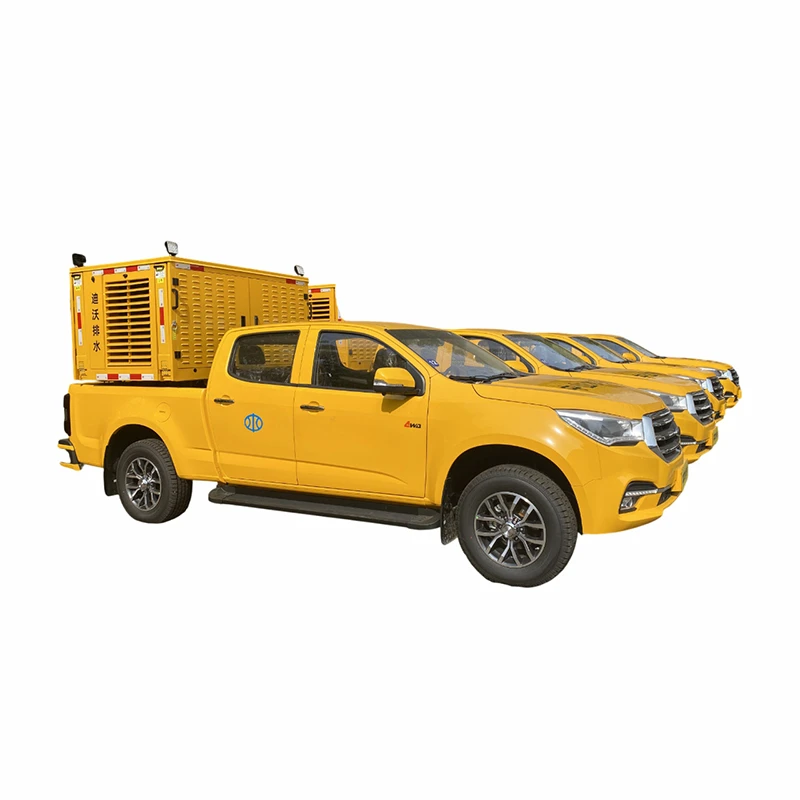
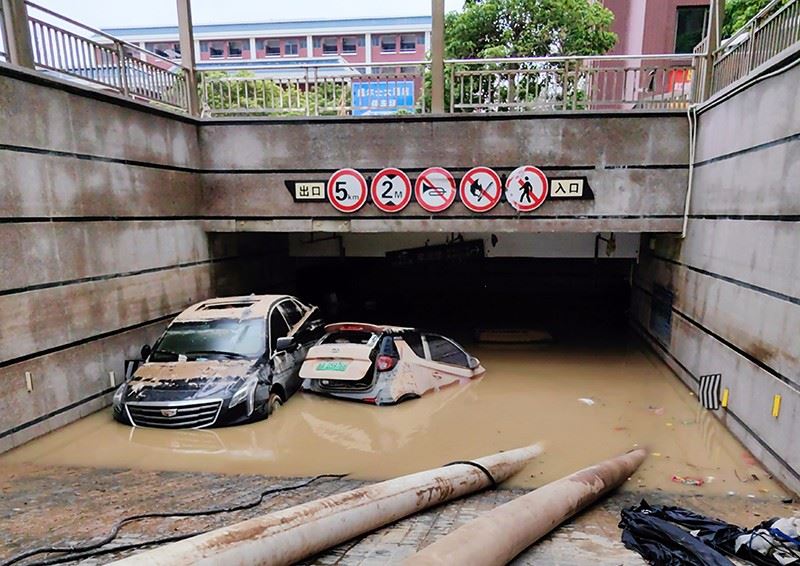
On the other hand, if the suction lift is within the recommended range, the pump will operate smoothly, delivering the expected flow rate and efficiency. This is why it's so important for us, as pump suppliers, to provide accurate information about the suction lift capabilities of our pumps to our customers.
When choosing a mobile flooding pump, customers should always consider the expected suction lift at the site of operation. For applications where the suction lift is likely to be high, we might recommend pumps with more powerful motors or better - designed suction systems. For instance, our Submersible Sewage Pump is a great option for situations where the water source is deep. Since it's submersible, the suction lift is effectively zero, which eliminates many of the problems associated with high suction lifts.
Our Reservoir Burst Drainage Emergency Pump is also designed to handle various suction lift scenarios. It's built with a robust motor and a well - engineered suction system that can perform well even at relatively high suction lifts. And for those who need a portable solution, our Mobile Water Drain Pump Trailer is a popular choice. It's easy to move around and can be adjusted to different suction lift requirements.
In conclusion, the suction lift has a profound impact on the performance of a mobile flooding pump. It affects the flow rate, efficiency, and can even lead to cavitation and damage to the pump. As a supplier, we're committed to helping our customers choose the right pump for their specific needs, taking into account the expected suction lift at the site.
If you're in the market for a mobile flooding pump or have any questions about how suction lift might affect your pumping requirements, don't hesitate to reach out. We're here to assist you in making the best decision for your situation. Let's work together to ensure you get a pump that performs optimally and meets your needs.
References
- "Pump Handbook" by Igor J. Karassik, Joseph P. Messina, Paul Cooper, and Charles C. Heald.
- "Centrifugal Pumps: Design and Application" by Heinz P. Bloch and Fred K. Geitner.