


Hey there! As a supplier of fire water supply pumps, I often get asked a pretty common question: "Which is more suitable, a horizontal or vertical fire water supply pump?" Well, let's dive right into this topic and break it down.
Understanding the Basics
First off, we need to understand what horizontal and vertical fire water supply pumps are. A horizontal fire water supply pump is designed with its shaft in a horizontal position. This type of pump is usually placed on a flat surface like a concrete base. On the other hand, a vertical fire water supply pump has its shaft in a vertical position, and it can be installed in a pit or a sump.
Advantages of Horizontal Fire Water Supply Pumps
One of the biggest advantages of horizontal pumps is their ease of maintenance. Since the pump is laid out horizontally, it's pretty straightforward to access the internal components. You can easily get to the impeller, bearings, and seals without having to do a whole lot of disassembly. This means less downtime for maintenance and quicker repairs.
Another plus is that horizontal pumps are generally more stable. They have a lower center of gravity, which makes them less likely to vibrate during operation. This stability is crucial, especially when you're dealing with high - pressure and high - flow applications. For example, in large industrial complexes or commercial buildings where a consistent water supply is needed for fire protection, a stable pump can ensure that the system operates smoothly.
Horizontal pumps also offer more flexibility in terms of installation. They can be easily integrated into existing piping systems. You can connect the inlet and outlet pipes from different directions, depending on the layout of your facility. This adaptability makes them a popular choice for retrofit projects where you might need to replace an old pump without major modifications to the infrastructure.
Advantages of Vertical Fire Water Supply Pumps
Now, let's talk about vertical fire water supply pumps. One of the key benefits is their space - saving design. In areas where floor space is limited, such as in basements or small mechanical rooms, a vertical pump can be a lifesaver. It takes up less floor area compared to a horizontal pump, allowing you to make the most of the available space.
Vertical pumps are also well - suited for applications where the water source is below the pump level. Since they can be installed in a pit or a sump, they can easily draw water from a lower elevation. For instance, in a building with an underground water storage tank, a vertical pump can efficiently lift the water to the fire protection system.
Another advantage is that vertical pumps are less prone to cavitation. Cavitation occurs when the pressure in the pump drops too low, causing the formation of vapor bubbles. These bubbles can damage the pump components over time. The vertical design of the pump helps to maintain a more consistent pressure, reducing the risk of cavitation.
Performance Comparison
When it comes to performance, both types of pumps have their strengths. In terms of flow rate, horizontal pumps can generally handle larger volumes of water. They are designed to provide high - flow rates at relatively low to moderate pressures. This makes them ideal for applications like large - scale sprinkler systems in shopping malls or warehouses.

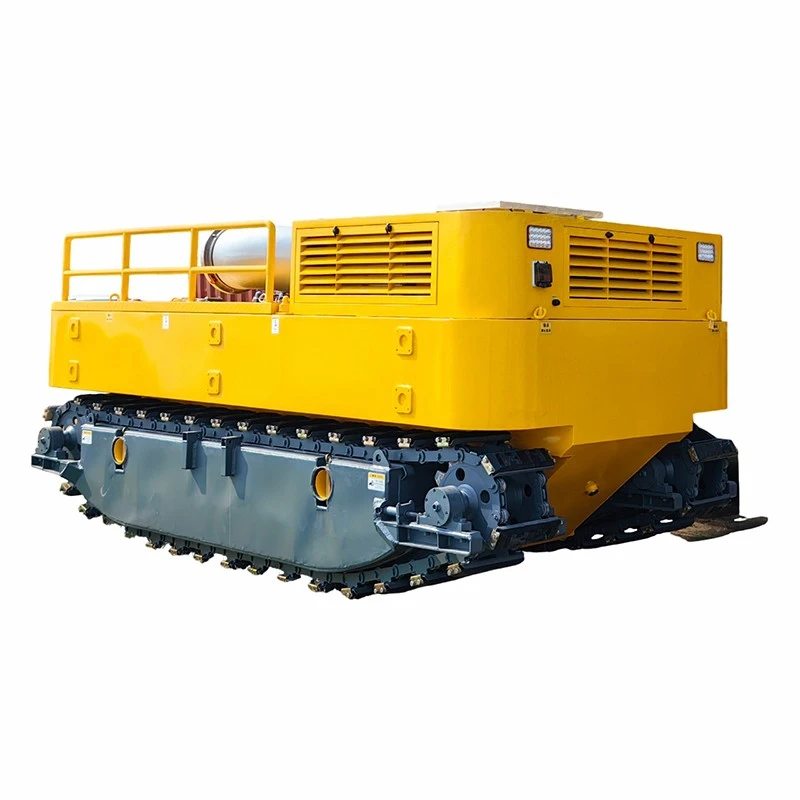
On the other hand, vertical pumps are better at handling high - pressure applications. They can generate higher pressures with less effort, which is useful in high - rise buildings where the water needs to be pumped to great heights.
Cost Considerations
Cost is always an important factor when choosing a fire water supply pump. Horizontal pumps are usually less expensive to purchase initially. They are more common in the market, and the manufacturing process is relatively simpler, which drives down the cost. However, you need to factor in the long - term costs. The maintenance and energy consumption of a horizontal pump can add up over time.
Vertical pumps, although more expensive upfront, can be more cost - effective in the long run. Their space - saving design can reduce the construction costs of the pump room. Also, since they are less prone to cavitation and other issues, the maintenance costs may be lower over the pump's lifespan.
Real - World Applications
Let's take a look at some real - world scenarios to see which type of pump is more suitable. In a large industrial plant, a horizontal pump might be the way to go. These plants usually have plenty of floor space, and the need for a high - flow, stable pump is crucial. For example, in an oil refinery, a horizontal pump can ensure a continuous supply of water to the fire suppression system to protect against potential fires.
In a high - rise apartment building, a vertical pump would be a better choice. With limited space in the basement and the need to pump water to the upper floors, a vertical pump can meet these requirements efficiently.
If you're looking for a mobile solution, we offer some great options. Check out our Large Flow Mobile Pump Station, Mobile Pump Station On Wheels, and Traction Large Flow Pump. These mobile pumps can be quickly deployed to different locations, providing emergency fire protection when needed.
Making the Right Choice
So, which is more suitable, a horizontal or vertical fire water supply pump? The answer depends on several factors. You need to consider the available space, the water source, the required flow rate and pressure, the budget, and the specific requirements of your application.
If you have plenty of space, need a high - flow rate, and want a pump that's easy to maintain, a horizontal pump might be the best option. On the other hand, if space is limited, you need to pump water from a lower elevation, or you're dealing with high - pressure applications, a vertical pump could be the way to go.
As a fire water supply pump supplier, we have the expertise to help you make the right decision. Our team of experts can assess your needs, analyze your facility's requirements, and recommend the most suitable pump for your situation. Whether you're building a new facility or upgrading an existing one, we can provide you with high - quality pumps and reliable service.
If you're interested in learning more about our fire water supply pumps or have any questions about choosing the right pump for your project, don't hesitate to reach out. We're here to assist you in ensuring that your fire protection system is reliable and efficient. Let's work together to keep your property and people safe from fire hazards.
References
- "Fire Protection Handbook" - National Fire Protection Association
- "Pump Handbook" - Igor J. Karassik, Joseph P. Messina, Paul Cooper, Charles C. Heald