



Hey there! As a supplier of Drought Relief Drainage Pumps, I've seen firsthand the importance of having the right skills to operate these machines effectively. In this blog post, I'll be sharing some of the key skills needed to run a Drought Relief Drainage Pump smoothly and efficiently.
Technical Knowledge
First off, you gotta have a basic understanding of how the pump works. That means knowing about its components like the impeller, casing, and motor. The impeller is what creates the flow of water by spinning at high speeds. The casing houses the impeller and directs the water flow. And the motor provides the power to make the impeller spin.
You should also be familiar with the different types of pumps available. For example, Mobile Dewatering Pump are great for quickly removing water from areas that are prone to flooding or where there's excess water accumulation. They're designed to be portable and easy to set up. On the other hand, Underground Garage Drainage Pump are specifically built to handle the unique challenges of draining water from underground garages, such as dealing with limited space and potential debris.
Another type is the pump for Underground Narrow Space Drainage. These pumps are engineered to fit into tight spaces and can efficiently remove water from areas where larger pumps won't work.
Installation Skills
Installing a Drought Relief Drainage Pump correctly is crucial. You need to be able to choose the right location for the pump. It should be placed on a stable surface that can support its weight and vibrations. The area should also be well-ventilated to prevent the motor from overheating.
You'll also need to connect the pump to the power source properly. Make sure you follow all the safety guidelines and use the correct electrical cables. Incorrect wiring can not only damage the pump but also pose a serious safety hazard.
When it comes to plumbing, you have to know how to connect the intake and discharge pipes. The intake pipe should be placed in the water source, and it's important to ensure that it's free from any blockages. The discharge pipe should be routed to a safe location where the water can be drained away without causing any problems.
Operation Skills
Once the pump is installed, you need to know how to start it up. Most pumps have a control panel or a switch that you use to turn them on. Before starting, check all the connections and make sure there are no leaks.
During operation, you should monitor the pump regularly. Keep an eye on the pressure gauge, if there is one, to make sure the pump is operating at the right pressure. If the pressure is too high or too low, it could indicate a problem with the pump or the plumbing system.
You also need to be able to adjust the flow rate if necessary. Some pumps allow you to change the speed of the impeller, which in turn affects the amount of water being pumped. This can be useful depending on the specific needs of the situation.
Maintenance Skills
Regular maintenance is essential to keep the pump in good working condition. You should clean the pump regularly to remove any debris that may have accumulated. This includes cleaning the intake screen, which helps prevent large objects from entering the pump and causing damage.
Check the oil levels in the motor if it's an oil-lubricated pump. Low oil levels can lead to increased friction and wear on the motor components. You'll also need to replace the oil at the recommended intervals.
Inspect the seals and gaskets for any signs of wear or damage. Leaking seals can cause water to seep into the motor, which can be very damaging. Replace any worn or damaged seals promptly.
Troubleshooting Skills
Even with proper maintenance, problems can still occur. That's why you need to have some troubleshooting skills. If the pump isn't working at all, check the power supply first. Make sure the circuit breaker hasn't tripped and that the electrical connections are secure.
If the pump is making strange noises, it could be a sign of a mechanical problem. It could be something as simple as a loose part or a more serious issue like a damaged impeller. You'll need to carefully inspect the pump to identify the source of the noise.
If the pump isn't pumping water effectively, check for blockages in the intake or discharge pipes. There could be debris or sediment clogging the pipes, preventing the water from flowing properly.

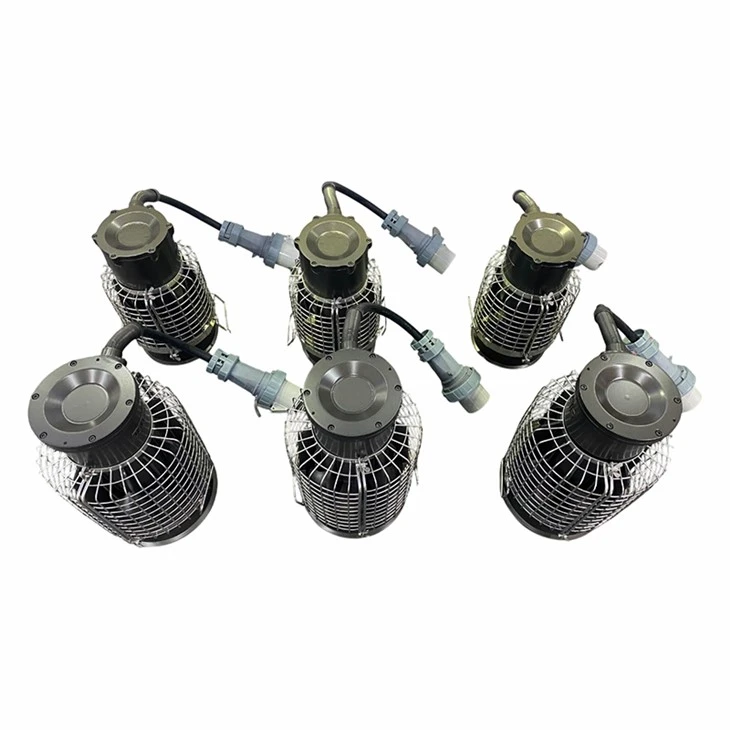
Safety Skills
Safety should always be a top priority when operating a Drought Relief Drainage Pump. You need to wear appropriate safety gear, such as safety glasses and gloves. This can protect you from any potential hazards like flying debris or electrical shocks.
Make sure you follow all the safety instructions provided by the manufacturer. This includes not operating the pump in wet conditions if it's not designed for it. And always keep children and pets away from the pump while it's in operation.
Communication Skills
If you're working as part of a team, good communication skills are essential. You need to be able to communicate effectively with other team members about the status of the pump, any problems you've encountered, and what needs to be done next.
You may also need to communicate with customers or clients if you're providing pump services. Being able to explain the operation and maintenance of the pump in a clear and understandable way can help build trust and ensure that the customers are satisfied with the service.
Problem - Solving Skills
In the real world, things don't always go as planned. You'll likely encounter unexpected situations when operating a Drought Relief Drainage Pump. For example, you might find that the water source has a higher level of debris than anticipated, or the power supply might be unstable.
You need to be able to think on your feet and come up with solutions to these problems. This could involve making quick adjustments to the pump's operation, finding alternative power sources, or coming up with a way to deal with the debris.
Training and Certification
Getting proper training and certification can really boost your skills and confidence when operating a Drought Relief Drainage Pump. There are many training programs available that cover all aspects of pump operation, from installation to maintenance and troubleshooting.
Certification can also make you more marketable if you're looking to work in the pump industry. It shows potential employers or customers that you have the necessary knowledge and skills to operate the pumps safely and effectively.
In conclusion, operating a Drought Relief Drainage Pump requires a combination of technical, installation, operation, maintenance, troubleshooting, safety, communication, and problem - solving skills. Whether you're a professional in the industry or a homeowner looking to handle water drainage issues, having these skills will help you get the most out of your pump.
If you're interested in purchasing a Drought Relief Drainage Pump or have any questions about our products, feel free to reach out to us for a friendly chat and a potential procurement negotiation. We're here to help you find the perfect pump for your needs.
References
- Manufacturer's manuals for Drought Relief Drainage Pumps
- Industry - specific training materials on pump operation and maintenance