


Hey there! As a supplier of Emergency Dewatering Pumps, I've seen firsthand how crucial these pumps are in various emergency situations. Whether it's urban waterlogging, mine flooding, or other scenarios where rapid water removal is essential, a well - maintained emergency dewatering pump can be a real lifesaver. So, let's dive into what maintenance is required for an Emergency Dewatering Pump.
Regular Inspections
First off, regular inspections are a must. You should check the pump at least once a month, or more frequently if it's used in harsh conditions. Start by visually inspecting the exterior of the pump. Look for any signs of damage, like cracks, dents, or corrosion. If you spot any issues, it's important to address them right away. Corrosion, for example, can weaken the pump's structure over time and lead to more serious problems.
Next, check the electrical components. Make sure all the wiring is in good condition, with no frayed wires or loose connections. Loose wires can cause electrical shorts, which not only damage the pump but can also pose a safety hazard. And don't forget to test the grounding. A proper ground is essential to prevent electrical shocks.
The impeller is another critical part to inspect. The impeller is responsible for moving the water through the pump. Check for any debris that might be stuck in the impeller. Debris can disrupt the flow of water and reduce the pump's efficiency. If you find debris, carefully remove it. You can also check the impeller for wear and tear. Over time, the impeller blades can become worn, which will affect the pump's performance. If the wear is significant, you may need to replace the impeller.
Lubrication
Lubrication is key to keeping your pump running smoothly. Different parts of the pump require different types of lubrication. For the bearings, use a high - quality bearing grease. Bearings are under a lot of stress when the pump is running, and proper lubrication reduces friction and heat, extending the life of the bearings.
The seals also need to be lubricated. Seals prevent water from leaking into the pump's motor and other sensitive components. Use a lubricant recommended by the pump manufacturer for the seals. This will help keep the seals flexible and prevent them from drying out and cracking.
Make sure to follow the manufacturer's guidelines on how often to lubricate each part. Over - lubrication can be just as bad as under - lubrication, as it can attract dirt and debris, causing more problems.
Cleaning
Cleaning the pump regularly is vital. After each use, especially if the pump has been in dirty or muddy water, clean the exterior of the pump with a hose. This will remove any dirt, mud, or other contaminants that could cause corrosion or damage.
For the inside of the pump, you may need to disassemble it periodically for a thorough cleaning. This is a bit more involved and should be done according to the manufacturer's instructions. When disassembling the pump, be careful not to lose any small parts. Use a cleaning solution recommended by the manufacturer to clean the internal components. This will remove any sediment, rust, or other build - up that can affect the pump's performance.
Testing
Testing the pump is an important part of maintenance. You should test the pump at least once every three months, even if it hasn't been used. This will ensure that the pump is in good working condition when you need it.
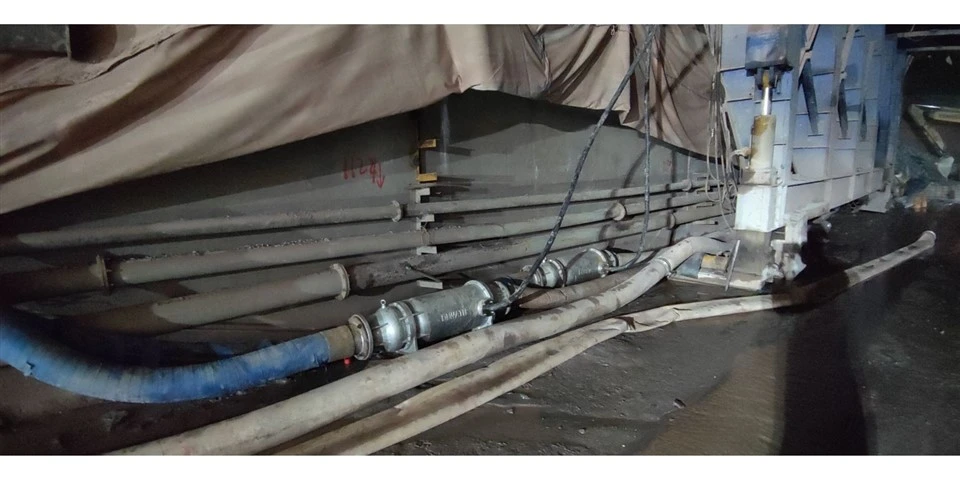
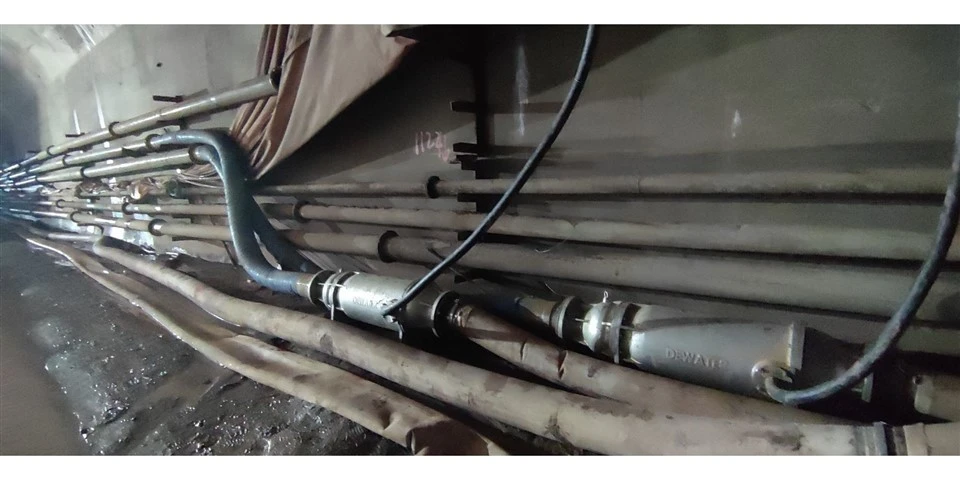
To test the pump, connect it to a power source and run it for a few minutes. Check the water flow and pressure. Make sure the pump is pumping water at the expected rate. If you notice any problems, such as a weak water flow or strange noises, stop the pump immediately and troubleshoot the issue.
You can also perform a pressure test. This will help you determine if the pump is maintaining the proper pressure. Use a pressure gauge to measure the pressure at the pump's outlet. Compare the reading to the manufacturer's specifications. If the pressure is too low or too high, there may be a problem with the pump.
Spare Parts
Having a supply of spare parts on hand is a smart move. Common spare parts for emergency dewatering pumps include impellers, seals, bearings, and gaskets. If a part fails, you can quickly replace it and get the pump back up and running.
When choosing spare parts, make sure to use parts that are compatible with your pump. Using the wrong parts can damage the pump and void the warranty. You can usually purchase spare parts directly from the pump manufacturer or from an authorized dealer.
Storage
If you're not going to use the pump for an extended period, proper storage is crucial. First, clean the pump thoroughly as described above. Then, drain all the water from the pump to prevent freezing and damage during cold weather.
Store the pump in a dry, cool place. Avoid storing it in direct sunlight or in a damp environment, as this can cause corrosion and damage to the pump's components. You may also want to cover the pump with a protective cover to keep it clean and dust - free.
Conclusion
Maintaining an emergency dewatering pump is not overly complicated, but it does require regular attention. By following these maintenance steps, you can ensure that your pump is always ready to perform when you need it most.
If you're in the market for an emergency dewatering pump or need more information about maintenance, we've got a great range of products to suit your needs. Check out our Urban Waterlogging Drainage Pump, BQS400 - 300 Mining Explosion - Proof Submersible Drainage Pump, and Mine Flooded Drainage Rescue Equipment. We're here to help you find the right pump for your situation and provide any support you need for maintenance and operation. If you have any questions or are interested in purchasing a pump, don't hesitate to reach out to us for a procurement discussion.
References
- Pump Manufacturer's Manuals
- Industry Best Practices for Pump Maintenance