



As a supplier of Rescue Mobile Drainage Pumps, I often encounter inquiries from customers about the suitability of our pumps for high - pressure situations. This is a crucial question, as the ability to perform effectively under high pressure can determine the success of various rescue and drainage operations. In this blog, I will delve into the technical aspects and practical applications to answer whether a rescue mobile drainage pump can be used in high - pressure situations.
Technical Capabilities of Rescue Mobile Drainage Pumps
Rescue mobile drainage pumps are engineered with advanced technology to handle a wide range of pumping tasks. They are typically equipped with powerful engines and high - efficiency impellers, which are essential for generating sufficient pressure to move water. The design of the pump casing and the internal flow path is optimized to minimize energy losses and maximize pressure build - up.
Most modern rescue mobile drainage pumps are capable of generating pressures that are suitable for many high - pressure scenarios. For example, some of our pumps can achieve a maximum head (a measure of pressure in the context of pumps) of up to [X] meters. This means they can pump water to a significant height or overcome high resistance in the pipeline, which is common in high - pressure situations.
However, it's important to note that the pressure capabilities of a pump are not solely determined by its design. Other factors such as the size and type of the pump, the speed of the engine, and the characteristics of the fluid being pumped also play a role. For instance, a larger pump with a more powerful engine will generally be able to generate higher pressure than a smaller one. Additionally, pumping a viscous fluid or a fluid with a high solid content may reduce the pump's pressure - generating capacity.
Applications in High - Pressure Situations
Mine Flooded Drainage Rescue
One of the most challenging high - pressure applications for rescue mobile drainage pumps is mine flooded drainage rescue. Mines are often located deep underground, and when flooding occurs, the water needs to be pumped out against the high hydrostatic pressure. Our Mine Flooded Drainage Rescue Equipment is specifically designed to handle these high - pressure conditions.
The pumps used in mine drainage must be able to operate continuously for long periods and withstand the harsh environment, including the presence of abrasive particles in the water. Our pumps are made of high - quality materials that are resistant to corrosion and wear, ensuring reliable performance in these demanding situations. They are also equipped with advanced control systems that can adjust the pump's operation according to the changing pressure and flow requirements.
Rainstorm Emergency Drainage
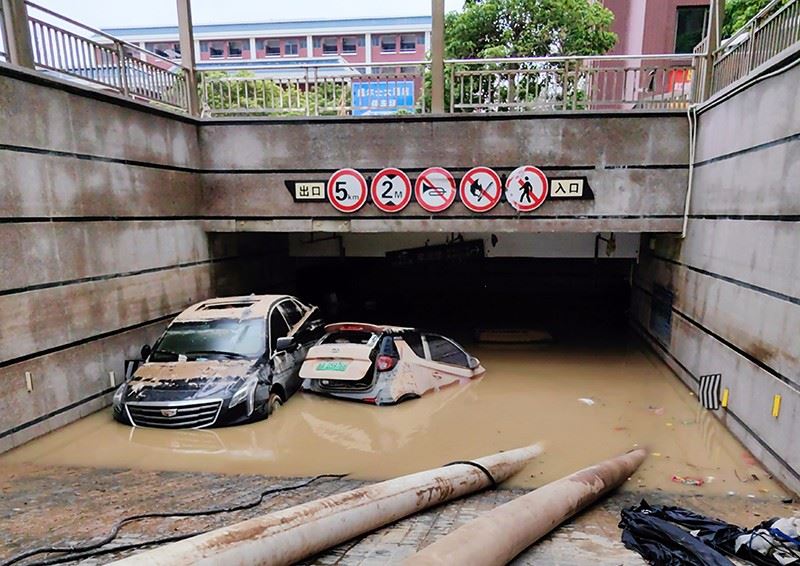
During heavy rainstorms, urban areas are often prone to flooding. In these situations, rescue mobile drainage pumps are used to quickly remove the water from streets, basements, and other low - lying areas. The high - pressure capability of these pumps is crucial for pushing the water through the drainage pipes and overcoming the resistance caused by the large volume of water and the possible blockages in the pipes.
Our Rainstorm Emergency Drainage Equipment is designed to be highly mobile and easy to deploy. It can be quickly transported to the flood - affected areas and set up for operation. The pumps are capable of generating high pressure to ensure efficient water removal, even in situations where the water level is high and the drainage path is long.
Limitations and Considerations
While rescue mobile drainage pumps have impressive pressure - generating capabilities, there are still some limitations and considerations when using them in high - pressure situations.
Pump Capacity and Efficiency
As the pressure increases, the pump's capacity may decrease. This is because the pump has to work harder to overcome the high pressure, which can reduce its flow rate. Therefore, it's important to select a pump with a sufficient capacity to meet the requirements of the specific application. Additionally, the efficiency of the pump may also decrease at high pressures, resulting in higher energy consumption.
Pipeline and System Design
The design of the pipeline and the overall drainage system also has a significant impact on the pump's performance in high - pressure situations. A poorly designed pipeline with sharp bends, narrow sections, or excessive friction can cause a significant drop in pressure and reduce the pump's effectiveness. It's essential to ensure that the pipeline is properly sized and installed to minimize these losses.
Maintenance and Safety
Operating a pump in high - pressure situations places additional stress on the pump components. Regular maintenance is crucial to ensure the pump's reliability and safety. This includes checking the pump's seals, bearings, and impellers for wear and damage, as well as monitoring the pressure and temperature during operation. Safety measures such as pressure relief valves and over - current protection should also be in place to prevent damage to the pump and ensure the safety of the operators.

Conclusion
In conclusion, a rescue mobile drainage pump can indeed be used in high - pressure situations, provided that it is properly selected, installed, and maintained. Our company offers a wide range of Mobile Water Drain Pump Trailer and other drainage equipment that are designed to meet the challenges of high - pressure applications.
Whether it's mine flooded drainage rescue or rainstorm emergency drainage, our pumps are engineered to provide reliable and efficient performance. However, it's important to consider the specific requirements of each application and take into account the limitations and considerations mentioned above.
If you are in need of a rescue mobile drainage pump for high - pressure situations, we invite you to contact us for more information. Our team of experts can help you select the right pump for your needs and provide you with professional advice on installation, operation, and maintenance. We look forward to the opportunity to work with you and contribute to the success of your drainage projects.
References
- Pump Handbook, Third Edition, Igor J. Karassik et al.
- Hydraulic Engineering, Second Edition, Chad J. Davis and William W. Sorenson.