


As a supplier of Rescue Mobile Drainage Pumps, I often encounter inquiries from customers regarding the specific gravity of the liquids our pumps can handle. This parameter is crucial because it directly affects the pump's performance and efficiency. In this blog post, I'll delve into the concept of specific gravity, explain its significance for our pumps, and provide insights into the range of specific gravities our products can manage.
Understanding Specific Gravity
Specific gravity is a dimensionless quantity that compares the density of a substance to the density of a reference substance, usually water at a specified temperature (typically 4°C, where the density of water is 1 g/cm³). If a liquid has a specific gravity greater than 1, it is denser than water; if it's less than 1, it is less dense. For example, gasoline has a specific gravity of about 0.7, which means it is less dense than water and will float on its surface. On the other hand, a liquid like mercury has a specific gravity of about 13.6, indicating it is significantly denser than water.
In the context of our Rescue Mobile Drainage Pumps, the specific gravity of the liquid being pumped impacts several aspects of the pump's operation. A higher - specific - gravity liquid requires more energy to move because it has more mass per unit volume. This means that the pump needs to work harder to generate the necessary pressure to transfer the liquid from one place to another.
Impact on Pump Performance
The performance of our Rescue Mobile Drainage Pumps is characterized by parameters such as flow rate, head, and power consumption. When dealing with liquids of different specific gravities, these parameters can change significantly.
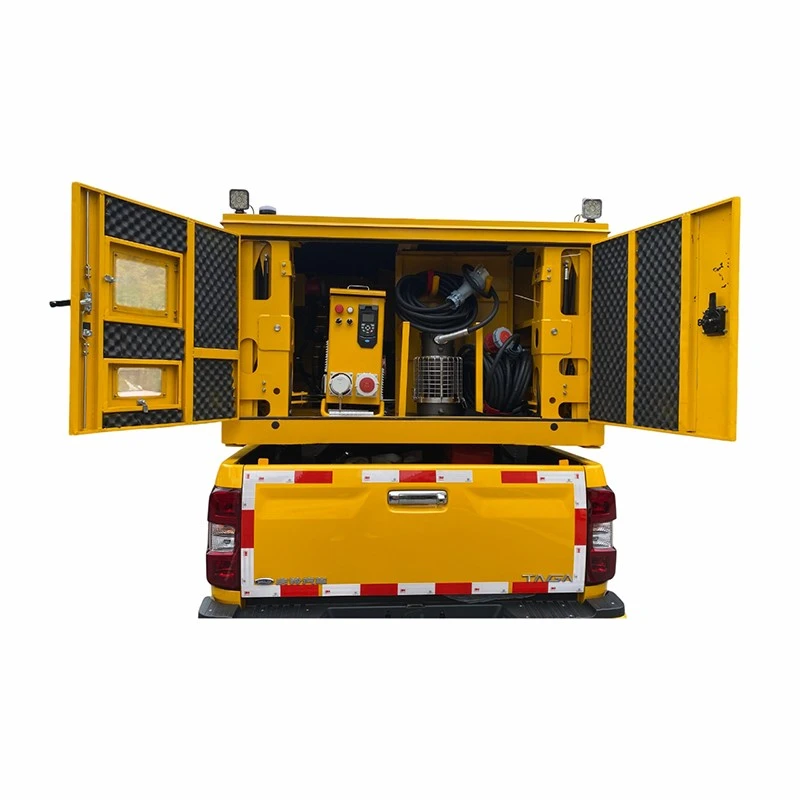
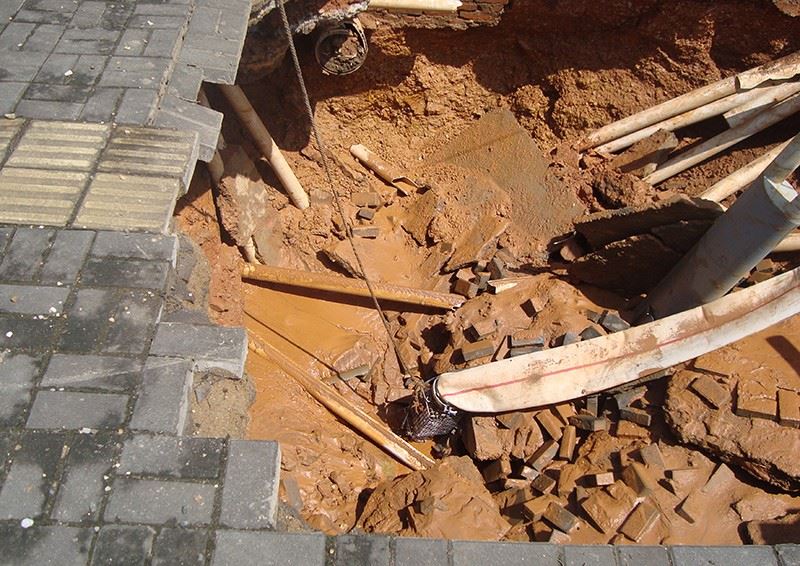
- Flow Rate: The flow rate of a pump is the volume of liquid it can move per unit of time. As the specific gravity of the liquid increases, the pump may experience a reduction in flow rate. This is because the pump has to overcome greater resistance due to the higher mass of the liquid. Our pumps are designed to maintain a relatively stable flow rate within a certain range of specific gravities, but beyond that range, the flow rate will start to decline.
- Head: Head refers to the height to which the pump can lift the liquid. A liquid with a higher specific gravity will require more energy to be lifted to the same height compared to water. As a result, the effective head of the pump may decrease when pumping high - specific - gravity liquids. Our pumps are engineered to provide sufficient head for a variety of applications, but the performance will be affected by the specific gravity of the liquid.
- Power Consumption: The power required to operate the pump is directly related to the specific gravity of the liquid. As the specific gravity increases, the pump needs more power to move the liquid. This means that when pumping high - specific - gravity liquids, the pump's power consumption will be higher. Our pumps are equipped with engines or motors that can handle a certain increase in power demand, but it's important for users to be aware of the potential increase in energy consumption.
The Range of Specific Gravities Our Pumps Can Handle
Our Rescue Mobile Drainage Pumps are designed to handle a wide range of specific gravities. Generally, they can efficiently pump liquids with a specific gravity ranging from approximately 0.8 to 1.2.
- Liquids with Specific Gravity between 0.8 and 1: Liquids in this range, such as some light oils and fuels, are less dense than water. Our pumps can handle these liquids with relatively little impact on performance. The flow rate, head, and power consumption will be close to the values measured when pumping water. For example, when pumping a liquid with a specific gravity of 0.9, the pump may experience a slight increase in flow rate compared to pumping water because the liquid is easier to move.
- Liquids with Specific Gravity between 1 and 1.2: These liquids are denser than water and include substances like some chemical solutions and wastewater with suspended solids. Our pumps can still operate effectively within this range, but users should expect a decrease in flow rate and an increase in power consumption. For instance, when pumping a liquid with a specific gravity of 1.1, the pump may need to consume about 10% more power compared to pumping water to achieve the same flow rate and head.
Applications and Considerations
Our Rescue Mobile Drainage Pumps are used in a variety of emergency and non - emergency situations, each with its own set of liquid characteristics.
- Flood Control: During flood events, the water being pumped may contain a mixture of debris, sediment, and dissolved substances, which can increase the specific gravity of the liquid. Our Mobile Drain Pump Truck for Flood Control is well - suited for such applications. It can handle the slightly elevated specific gravity of floodwater while maintaining a high flow rate to quickly remove water from flooded areas.
- Industrial Spills: In industrial settings, spills of chemicals or other liquids may occur. The specific gravity of these liquids can vary widely. Our pumps are capable of handling many common industrial liquids within the specified specific gravity range. For continuous and reliable operation during an industrial emergency, our Uninterrupted Emergency Drainage Pump is a great choice.
- Agricultural Applications: In agriculture, our Agricultural Emergency Water Supply Pump is used for tasks such as draining fields or supplying water for irrigation. The water used in these applications may have a slightly different specific gravity due to the presence of dissolved minerals and fertilizers. Our pumps can adapt to these variations and ensure efficient water transfer.
Choosing the Right Pump for the Job
When selecting a Rescue Mobile Drainage Pump, it's essential to consider the specific gravity of the liquid to be pumped. Here are some tips to help you make the right choice:
- Know Your Liquid: Determine the approximate specific gravity of the liquid. This may require some testing or knowledge of the source of the liquid. If you're dealing with an unknown liquid, it's a good idea to consult with a laboratory to get an accurate measurement.
- Check Pump Specifications: Review the pump's technical specifications to see its performance characteristics at different specific gravities. Our product documentation provides detailed information about how the pump performs under various conditions.
- Consider Future Needs: If you anticipate dealing with liquids of different specific gravities in the future, choose a pump with a wider operating range. Our pumps are designed to offer flexibility in this regard, allowing you to handle a variety of liquids without having to purchase multiple pumps.
Conclusion
In conclusion, the specific gravity of the liquid is a critical factor when it comes to the operation of our Rescue Mobile Drainage Pumps. Our pumps are engineered to handle a range of specific gravities from 0.8 to 1.2, but users need to be aware of the potential impact on pump performance. Whether you're dealing with floodwater, industrial spills, or agricultural water, our pumps are designed to provide reliable and efficient service.
If you're in the market for a Rescue Mobile Drainage Pump or have questions about specific gravity and pump performance, we encourage you to reach out to us for more information. Our team of experts is ready to assist you in choosing the right pump for your specific needs and to discuss the details of your project. We look forward to the opportunity to work with you and help you solve your drainage challenges.
References
- Crane, D. S. (2009). Pump Handbook. McGraw - Hill.
- Karassik, I. J., Messina, J. P., Cooper, P., & Heald, C. C. (2008). Pump Handbook (4th ed.). McGraw - Hill.