


Hey there! As a supplier of Diesel Flood Control Pumps, I often get asked about the different shaft seal types used in these pumps. So, I thought I'd take a moment to break it down for you and explain what they are, how they work, and why they're important.
First off, let's talk about what a shaft seal is. In simple terms, a shaft seal is a device that prevents the leakage of fluid (in this case, water) along the rotating shaft of the pump. It's a crucial component because if the seal fails, it can lead to all sorts of problems, like reduced pump efficiency, increased maintenance costs, and even environmental hazards.
There are several types of shaft seals commonly used in Diesel Flood Control Pumps, and each has its own unique features and benefits. Let's take a closer look at some of the most popular ones.
Mechanical Seals
Mechanical seals are probably the most widely used type of shaft seal in pumps. They consist of two flat surfaces (usually made of carbon and ceramic) that are held together by a spring or other mechanism. As the shaft rotates, these surfaces slide against each other, creating a tight seal that prevents fluid from leaking out.
One of the main advantages of mechanical seals is their high reliability. They're designed to withstand high pressures and temperatures, and they can last for a long time with minimal maintenance. They're also very effective at preventing leakage, which is essential for maintaining the efficiency of the pump.
However, mechanical seals can be quite expensive, and they require careful installation and alignment to work properly. If they're not installed correctly, they can wear out quickly and cause problems. So, it's important to have a professional install and maintain them.
Packing Seals
Packing seals, also known as gland packing, are another common type of shaft seal. They consist of a series of rings or strands of material (usually made of asbestos, graphite, or synthetic fibers) that are packed around the shaft. As the shaft rotates, the packing material compresses against the shaft, creating a seal that prevents fluid from leaking out.
One of the advantages of packing seals is their low cost. They're much cheaper than mechanical seals, and they're relatively easy to install and replace. They're also very flexible, which means they can adapt to different shaft sizes and shapes.
However, packing seals have some disadvantages as well. They tend to wear out more quickly than mechanical seals, and they require more frequent maintenance. They also have a higher rate of leakage, which can reduce the efficiency of the pump. So, they're not as suitable for applications where a high level of sealing is required.
Lip Seals
Lip seals, also known as oil seals, are a type of shaft seal that uses a flexible lip or flange to create a seal. They're typically made of rubber or other elastomeric materials, and they're designed to fit snugly around the shaft. As the shaft rotates, the lip of the seal presses against the shaft, creating a barrier that prevents fluid from leaking out.
One of the advantages of lip seals is their simplicity. They're easy to install and replace, and they're relatively inexpensive. They're also very effective at preventing the leakage of oil and other lubricants, which is important for protecting the pump's bearings and other components.
However, lip seals have some limitations as well. They're not as effective at sealing against high pressures or temperatures, and they can wear out quickly if they're exposed to abrasive or corrosive fluids. So, they're not as suitable for applications where a high level of sealing is required.
Cartridge Seals
Cartridge seals are a type of mechanical seal that comes pre-assembled in a cartridge. They're designed to be easy to install and replace, and they're often used in applications where downtime needs to be minimized.
One of the advantages of cartridge seals is their convenience. They come pre-assembled and pre-aligned, which means they can be installed quickly and easily without the need for special tools or expertise. They're also very reliable, and they can last for a long time with minimal maintenance.
However, cartridge seals can be quite expensive, and they're not as flexible as other types of seals. They're designed to fit specific pump models and sizes, so they may not be suitable for all applications.
So, which type of shaft seal is best for your Diesel Flood Control Pump? Well, it depends on a variety of factors, including the type of pump, the operating conditions, and your budget. In general, mechanical seals are the most reliable and effective type of seal, but they're also the most expensive. Packing seals are a more affordable option, but they require more maintenance and have a higher rate of leakage. Lip seals are simple and inexpensive, but they're not as effective at sealing against high pressures or temperatures. Cartridge seals are convenient and reliable, but they're also quite expensive.
If you're not sure which type of shaft seal is best for your pump, I recommend consulting with a professional. They can help you evaluate your needs and choose the right seal for your application.
At our company, we offer a wide range of Diesel Flood Control Pumps with different shaft seal types. Whether you need a pump for a small residential application or a large industrial project, we have the expertise and experience to help you find the right solution. We also offer installation, maintenance, and repair services to ensure that your pump operates at peak efficiency.
If you're interested in learning more about our products or services, or if you have any questions about shaft seals or Diesel Flood Control Pumps in general, please don't hesitate to [contact us]. We'd be happy to help you find the right solution for your needs.
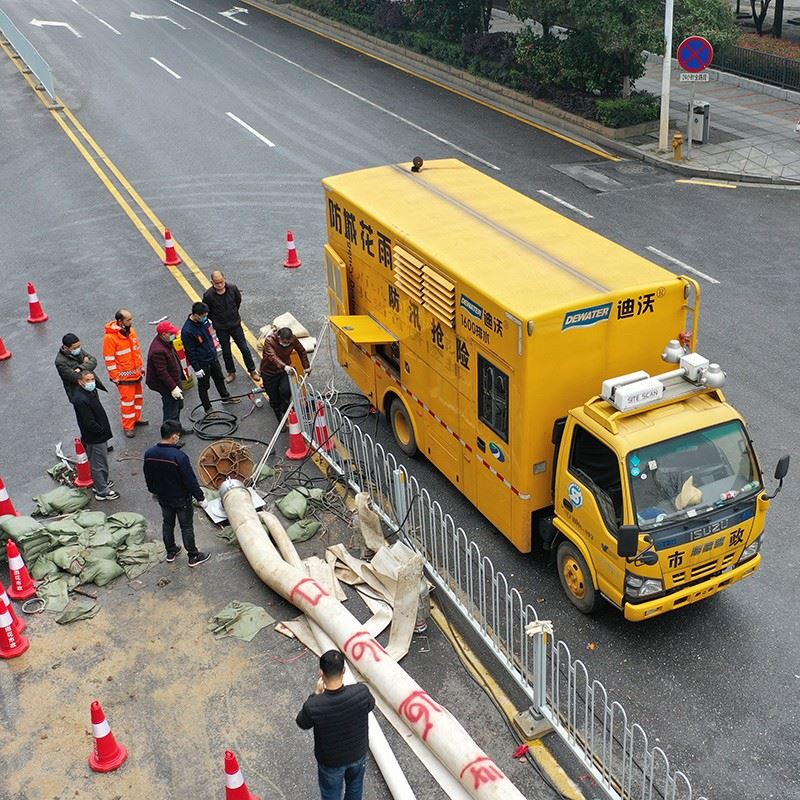
In addition to our Diesel Flood Control Pumps, we also offer a variety of other products, including Mobile Pump Truck, Uninterrupted Emergency Drainage Pump, and Mobile Pump Station On Wheels. These products are designed to provide reliable and efficient pumping solutions for a variety of applications, including flood control, emergency drainage, and industrial wastewater management.
So, if you're in the market for a high-quality pump or related equipment, be sure to check out our website or give us a call. We look forward to hearing from you and helping you find the right solution for your needs.

References
- "Pump Seals: A Comprehensive Guide." Pump Industry Magazine.
- "Shaft Seals: Types and Applications." Mechanical Engineering Journal.
- "Diesel Flood Control Pumps: Design and Operation." Hydraulic Engineering Handbook.