



Hey there! As a supplier of Mobile Flooding Pumps, I often get asked about the self - priming capability of these pumps. So, let's dive right in and break it down.
First off, what exactly is self - priming? Well, in simple terms, a self - priming pump can evacuate air from the suction line and the pump casing to create a vacuum. This vacuum then allows the pump to draw in water from a lower level without the need for external priming devices. It's like a super - handy feature that saves you a lot of time and hassle.
For a Mobile Flooding Pump, self - priming capability is crucial. These pumps are often used in emergency situations, like when there's a flood. You don't have the luxury of time to set up complex priming systems. With a self - priming Mobile Flooding Pump, you can quickly get it up and running.
Let's talk about how it works. Inside a self - priming Mobile Flooding Pump, there's usually a special design. There's a chamber that holds a certain amount of water. When the pump starts, the impeller rotates, creating a centrifugal force. This force pushes the water in the chamber out through the discharge port, creating a vacuum in the suction line. As the vacuum forms, air is drawn out of the suction line, and water starts to flow into the pump.
The self - priming process can vary in time depending on a few factors. One of the main factors is the height of the water source relative to the pump. If the water source is lower, the pump has to work harder to create enough vacuum to draw the water up. The length and diameter of the suction line also play a role. A longer or narrower suction line can increase the resistance, making the priming process take longer.
Another important aspect is the efficiency of the self - priming mechanism. A well - designed Mobile Flooding Pump will have a highly efficient self - priming system. This means it can prime quickly and reliably, even in difficult conditions. Some pumps use advanced technologies, like special impeller designs or air - water separation chambers, to improve the self - priming performance.
Now, let's look at why self - priming is such a big deal for Mobile Flooding Pumps. As I mentioned earlier, in flood situations, time is of the essence. You need to start pumping water out as soon as possible to prevent further damage. A self - priming pump allows you to do just that. You can drive the mobile pump to the flood site, set it up, and start pumping within minutes.
It also offers flexibility. Mobile Flooding Pumps are often used in different locations, where the water sources may vary. With self - priming capability, you don't have to worry about finding a suitable priming water source at each location. You can simply connect the pump to the suction line, and it will take care of the rest.
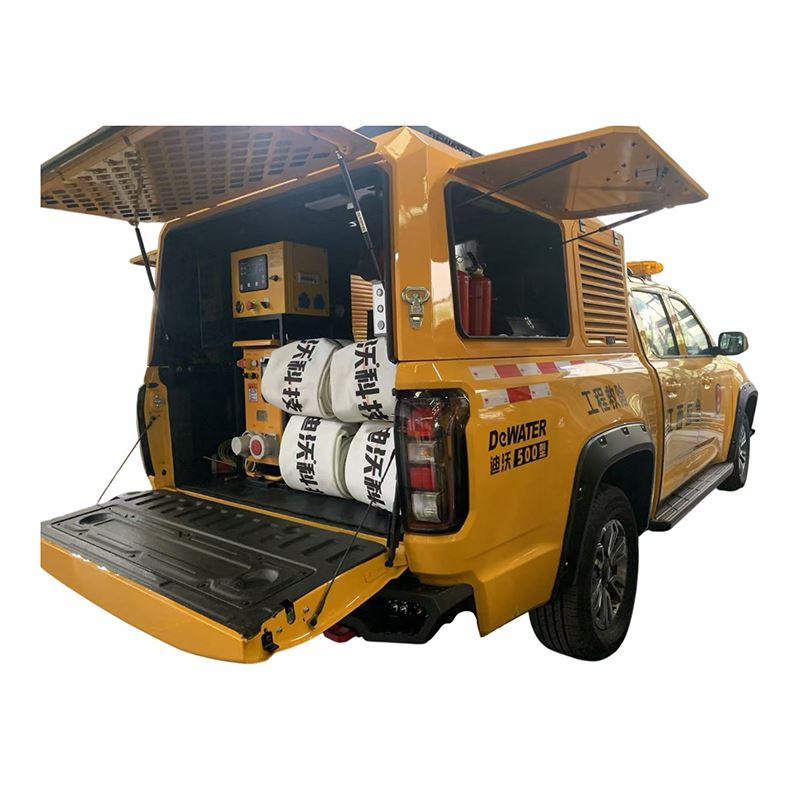
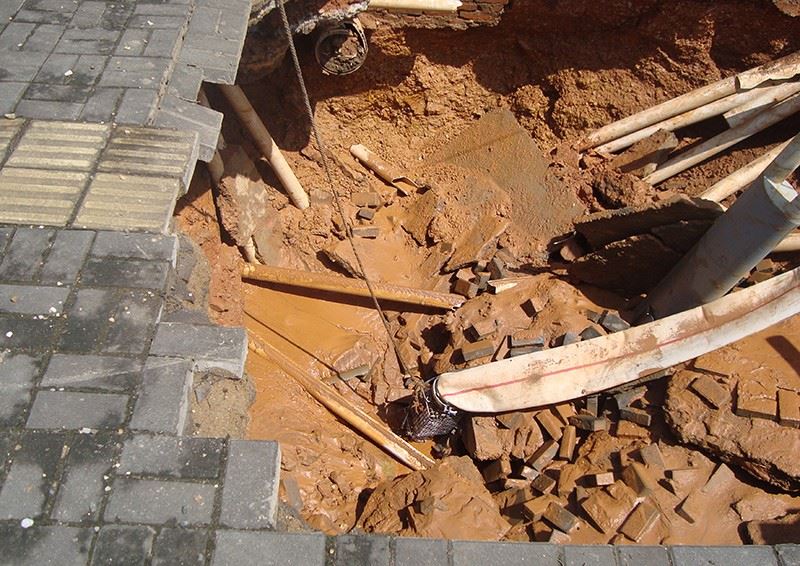
If you're in the market for a Mobile Flooding Pump, make sure to pay attention to the self - priming specifications. Look for pumps that have a fast priming time and can handle different suction conditions. You can check out our Mobile Flooding Pump on our website for more details.
We also offer Mobile Drainage Pump Truck and Mobile Drain Pump Truck for Flood Control. These are great options if you need a more comprehensive solution for flood control and drainage.
If you're interested in learning more about our products or have any questions about the self - priming capability of our Mobile Flooding Pumps, don't hesitate to reach out. We're here to help you find the right pump for your needs. Whether you're a municipality dealing with regular flood issues or a contractor working on a construction site with water management problems, we've got you covered.
In conclusion, the self - priming capability of a Mobile Flooding Pump is a game - changer. It offers convenience, speed, and flexibility, making it an essential feature for any flood control or drainage operation. So, if you're in the market for a reliable Mobile Flooding Pump, keep self - priming in mind.
References
- Pump Handbook, Third Edition by Igor J. Karassik, Joseph P. Messina, Paul Cooper, Charles C. Heald
- Centrifugal Pumps: Design and Applications by Heinz P. Bloch