


As a supplier of Portable Mobile Drainage Pumps, I've often been asked whether our pumps can be effectively used for agricultural drainage. This question is not only relevant but also crucial for farmers and agricultural businesses looking for efficient and reliable drainage solutions. In this blog post, I'll explore the feasibility of using portable mobile drainage pumps in agricultural settings, highlighting their advantages, limitations, and key considerations.
Advantages of Portable Mobile Drainage Pumps for Agricultural Drainage
Flexibility and Mobility
One of the most significant advantages of portable mobile drainage pumps is their flexibility and mobility. Unlike traditional fixed - drainage systems, these pumps can be easily moved from one location to another within the farm. This is particularly useful in large agricultural fields where waterlogging may occur in different areas at different times. For example, if a heavy rainstorm causes flooding in a specific corner of the field, the portable pump can be quickly transported to that area to start the drainage process. This mobility also allows farmers to use the same pump for multiple purposes, such as draining irrigation canals or removing excess water from low - lying areas.
Cost - Effectiveness
Portable mobile drainage pumps are generally more cost - effective than installing a permanent drainage system. The initial investment in a portable pump is relatively low, and there are no significant installation costs associated with it. Additionally, since these pumps can be used in multiple locations and for different applications, they offer a higher return on investment. For small and medium - sized farms, where budget constraints are often a concern, a portable pump can be a practical and affordable solution for agricultural drainage.
Quick Deployment
In the event of sudden waterlogging due to heavy rainfall or excessive irrigation, time is of the essence. Portable mobile drainage pumps can be deployed quickly, allowing farmers to start the drainage process immediately. This rapid response can prevent crop damage caused by prolonged waterlogging, which can lead to root rot, reduced oxygen availability to the roots, and ultimately lower crop yields. With a portable pump on hand, farmers can be prepared for unexpected weather events and take proactive measures to protect their crops.
Versatility
Portable mobile drainage pumps come in a variety of sizes and capacities, making them suitable for different agricultural drainage needs. Whether it's a small garden or a large commercial farm, there is a pump available to meet the specific requirements. Some pumps are designed for low - volume, high - head applications, while others are better suited for high - volume, low - head drainage. This versatility allows farmers to choose the pump that best fits their farm's topography, soil type, and water - management needs.
Limitations of Portable Mobile Drainage Pumps for Agricultural Drainage
Limited Capacity
While portable mobile drainage pumps offer flexibility and mobility, they may have limited capacity compared to large - scale, permanent drainage systems. In cases of severe flooding or when dealing with a large volume of water, multiple portable pumps may be required to achieve the desired drainage rate. This can increase the overall cost and complexity of the drainage operation.
Power Source Dependency
Portable mobile drainage pumps typically rely on external power sources, such as electricity or fuel. In areas where access to electricity is limited or unreliable, or where the cost of fuel is high, this can be a significant limitation. Additionally, the need to transport fuel or connect to a power source can add to the logistical challenges of using these pumps in remote agricultural locations.
Maintenance Requirements
Like any mechanical equipment, portable mobile drainage pumps require regular maintenance to ensure optimal performance. This includes tasks such as cleaning the pump, checking the impeller for damage, and replacing worn - out parts. Farmers who are not familiar with pump maintenance may need to hire a professional, which can add to the overall cost of using the pump.
Key Considerations for Using Portable Mobile Drainage Pumps in Agriculture
Pump Selection
When choosing a portable mobile drainage pump for agricultural use, several factors need to be considered. These include the pump's flow rate, head (the height to which the water needs to be pumped), and the type of water being pumped (e.g., clean water, water with solids). It's important to select a pump that can handle the specific drainage requirements of the farm. For example, if the water contains a high amount of sediment, a pump with a solids - handling capacity may be necessary.
Power Source
As mentioned earlier, the power source is an important consideration. If electricity is readily available, an electric pump may be a good choice due to its lower operating costs and quieter operation. However, if the farm is located in a remote area, a fuel - powered pump may be more practical. In some cases, hybrid pumps that can run on both electricity and fuel offer a flexible solution.
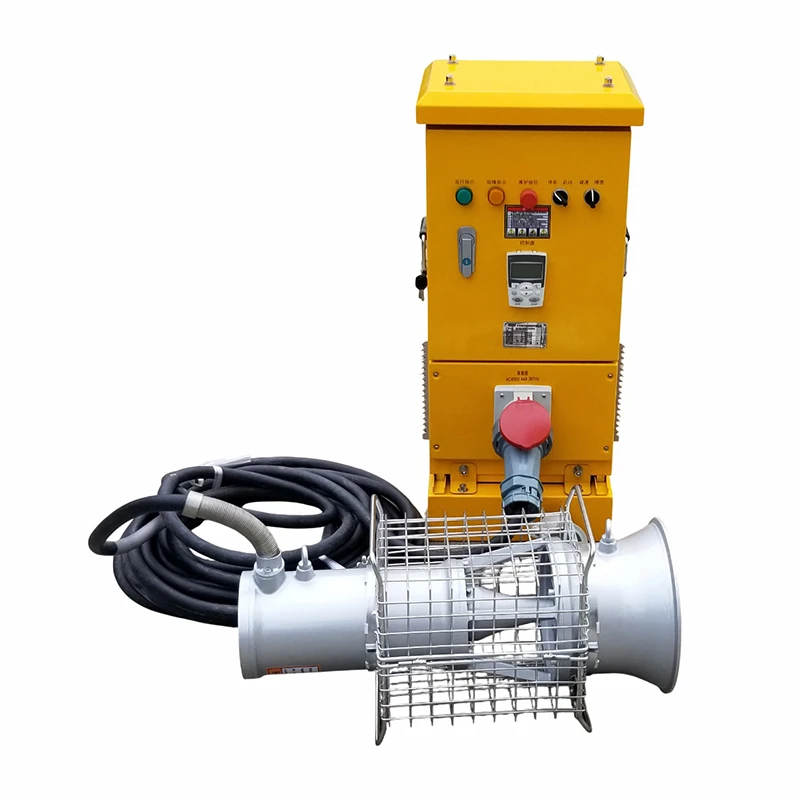
Installation and Operation
Proper installation and operation of the portable mobile drainage pump are crucial for its effective use. The pump should be installed in a stable location, and the intake and discharge hoses should be properly connected. Farmers should also be trained on how to operate the pump safely and efficiently, including starting and stopping procedures, monitoring the pump's performance, and troubleshooting common problems.
Maintenance and Storage
Regular maintenance is essential to keep the portable mobile drainage pump in good working condition. Farmers should follow the manufacturer's recommended maintenance schedule, which may include tasks such as oil changes, filter replacements, and inspections. When the pump is not in use, it should be stored in a dry and protected area to prevent damage from the elements.
Other Applications of Portable Mobile Drainage Pumps
Portable mobile drainage pumps are not only useful for agricultural drainage but also have a wide range of other applications. For example, they can be used for Government Emergency Flood Control Pump during natural disasters such as floods. These pumps can be quickly deployed to flood - affected areas to remove excess water and prevent further damage to infrastructure and property.
They are also suitable for Floodwater Drainage Mobile Pump in urban areas, where heavy rainfall can cause street flooding. Portable pumps can be used to drain water from streets, basements, and other low - lying areas, helping to restore normal traffic and prevent water damage to buildings.
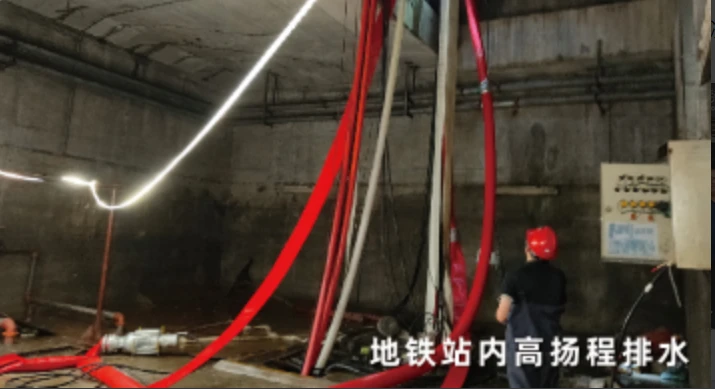
In addition, Subway Flood Pump can be used to remove water from subway stations during flooding events, ensuring the safety of passengers and the proper functioning of the subway system.
Conclusion
In conclusion, portable mobile drainage pumps can be a viable option for agricultural drainage. They offer flexibility, mobility, cost - effectiveness, and quick deployment, which are all important factors for farmers. However, they also have some limitations, such as limited capacity and power source dependency. By carefully considering the key factors mentioned above, farmers can choose the right portable pump for their agricultural needs and use it effectively to manage waterlogging and protect their crops.
If you're interested in learning more about our Portable Mobile Drainage Pumps or have any questions regarding their use in agricultural drainage or other applications, we encourage you to contact us for a detailed discussion. Our team of experts is ready to assist you in finding the best pump solution for your specific requirements.
References
- "Agricultural Drainage Systems: Design and Management" by David L. Corwin and William R. Fipps.
- "Pump Handbook" by Igor J. Karassik, Joseph P. Messina, Paul Cooper, and Charles C. Heald.
- Manufacturer's manuals and technical specifications for Portable Mobile Drainage Pumps.