



As a supplier of Mobile Pumping Stations, I am often asked about the pressure regulation methods of these essential pieces of equipment. Pressure regulation is crucial for the efficient and safe operation of mobile pumping stations, ensuring that they can handle various tasks and adapt to different working conditions. In this blog post, I will delve into the different pressure regulation methods used in mobile pumping stations and explain how they work.
1. Throttle Valve Regulation
One of the most common pressure regulation methods in mobile pumping stations is throttle valve regulation. This method involves adjusting the opening of a throttle valve installed in the discharge pipeline of the pump. By changing the valve opening, the flow resistance in the pipeline can be altered, which in turn affects the pressure and flow rate of the pumped fluid.
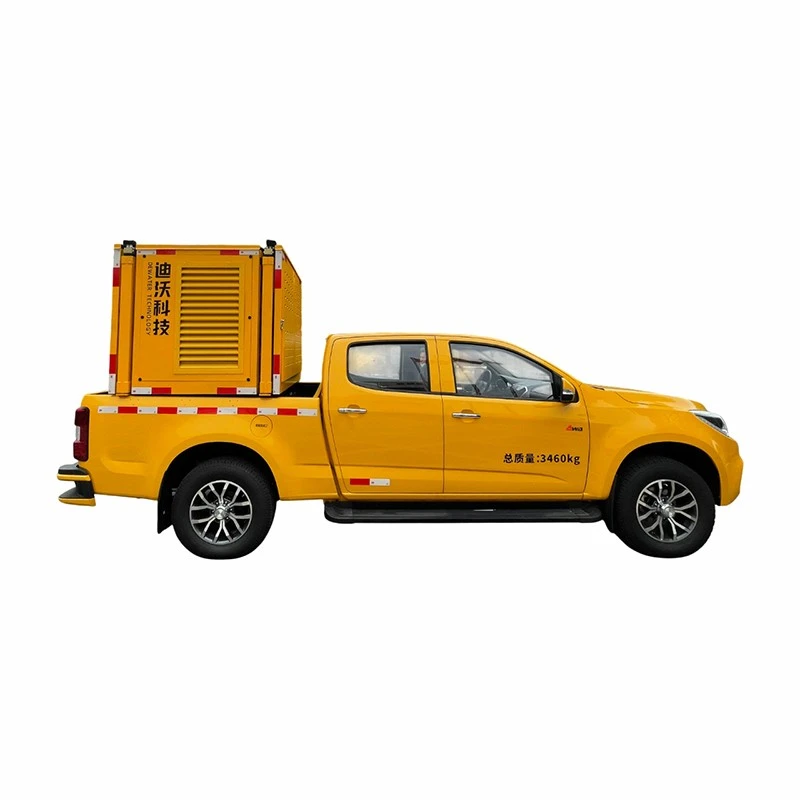
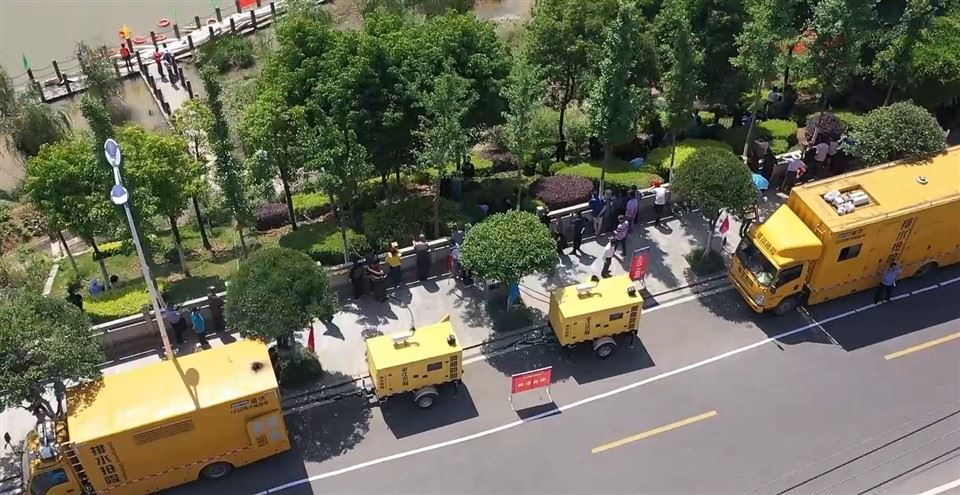
When the throttle valve is fully open, the flow resistance is minimized, allowing the pump to deliver the maximum flow rate at a relatively low pressure. Conversely, when the valve is partially closed, the flow resistance increases, causing the pressure to rise while the flow rate decreases. This method is simple and easy to implement, making it widely used in many mobile pumping stations.
However, throttle valve regulation also has some limitations. One of the main drawbacks is the energy loss associated with the increased flow resistance. When the valve is partially closed, a significant amount of energy is wasted in overcoming the resistance, which can lead to higher operating costs. Additionally, this method may not be suitable for applications where precise pressure control is required, as the pressure change is not linear with the valve opening.
2. Variable Speed Drive (VSD) Regulation
Variable Speed Drive (VSD) regulation is another popular pressure regulation method used in mobile pumping stations. This method involves adjusting the speed of the pump motor to control the pressure and flow rate of the pumped fluid. By changing the motor speed, the pump's performance can be optimized to match the specific requirements of the application.
When the demand for fluid flow is low, the motor speed can be reduced, resulting in a lower pressure and flow rate. Conversely, when the demand increases, the motor speed can be increased to deliver the required amount of fluid at the desired pressure. VSD regulation offers several advantages over throttle valve regulation. Firstly, it is more energy-efficient, as the pump operates at the most efficient speed for the given load, reducing energy consumption and operating costs. Secondly, it provides more precise pressure control, allowing for better process control and system stability.
However, VSD regulation also has some disadvantages. One of the main challenges is the higher initial cost of the VSD equipment. The installation and maintenance of VSD systems can be more complex and expensive compared to traditional fixed-speed pumps. Additionally, VSD systems may require additional protection and monitoring devices to ensure safe and reliable operation.
3. Bypass Regulation
Bypass regulation is a pressure regulation method that involves diverting a portion of the pumped fluid back to the suction side of the pump through a bypass line. This method is often used in applications where the flow rate needs to be maintained at a relatively constant level while the pressure needs to be adjusted.
By adjusting the opening of the bypass valve, the amount of fluid diverted back to the suction side can be controlled, which in turn affects the pressure and flow rate of the fluid delivered to the discharge pipeline. When the pressure needs to be increased, the bypass valve is partially closed, reducing the amount of fluid diverted and increasing the pressure in the discharge pipeline. Conversely, when the pressure needs to be decreased, the bypass valve is opened wider, allowing more fluid to be diverted back to the suction side.
Bypass regulation offers several advantages. It provides a simple and effective way to control the pressure without significantly affecting the flow rate. It also helps to protect the pump from overpressure and cavitation, which can extend the pump's service life. However, this method also has some limitations. Similar to throttle valve regulation, there is an energy loss associated with the bypass flow, which can increase operating costs. Additionally, the bypass line and valve require additional space and maintenance, which can add to the overall system complexity.
4. Pressure Relief Valve Regulation
Pressure relief valve regulation is a safety feature commonly used in mobile pumping stations to protect the system from overpressure. A pressure relief valve is installed in the discharge pipeline and is set to open at a predetermined pressure. When the pressure in the pipeline exceeds the set pressure, the valve opens, allowing the excess fluid to escape and reducing the pressure to a safe level.
This method provides a reliable way to prevent damage to the pump and other components in the system due to overpressure. It is a simple and cost-effective solution that can be easily integrated into existing pumping systems. However, pressure relief valve regulation is mainly a safety measure and is not intended for precise pressure control. Once the valve opens, the pressure in the system drops rapidly, which may not be suitable for applications where continuous pressure control is required.
5. Combination of Regulation Methods
In many cases, a combination of different pressure regulation methods may be used to achieve the best results. For example, a mobile pumping station may use VSD regulation for the primary pressure control, while a pressure relief valve is installed as a safety backup. This approach allows for the benefits of both methods to be utilized, providing precise pressure control while ensuring the safety of the system.
Another common combination is the use of throttle valve regulation in conjunction with VSD regulation. The throttle valve can be used to provide a coarse adjustment of the pressure, while the VSD can be used for fine-tuning and optimizing the pump's performance. This combination can help to reduce the energy loss associated with throttle valve regulation while providing more precise pressure control.
Conclusion
In conclusion, there are several pressure regulation methods available for mobile pumping stations, each with its own advantages and limitations. The choice of the appropriate method depends on various factors, such as the specific requirements of the application, the desired level of pressure control, and the energy efficiency considerations.
As a supplier of Trailer Mounted Pumps, Mobile Drainage Pump Station, and Mobile Drainage Pump Trailer, we understand the importance of selecting the right pressure regulation method for our customers' needs. We offer a wide range of pumping solutions equipped with different pressure regulation options to ensure that our customers can achieve the best performance and efficiency for their applications.
If you are interested in learning more about our mobile pumping stations or need assistance in selecting the appropriate pressure regulation method for your project, please feel free to contact us. Our team of experts will be happy to provide you with detailed information and help you make an informed decision.
References
- "Pump Handbook" by Igor J. Karassik et al.
- "Centrifugal Pumps: Design and Application" by Jack P. Godwin.
- "Variable Frequency Drives: Principles and Applications" by Bimal K. Bose.