


Hey there! As a supplier of Mobile Drainage Pumps, I often get asked about the power consumption of these pumps. It's a crucial question, especially for those who are looking to manage their energy costs or ensure they have the right power source on - hand. In this blog, I'll break down what affects the power consumption of a mobile drainage pump and give you a better understanding of what to expect.
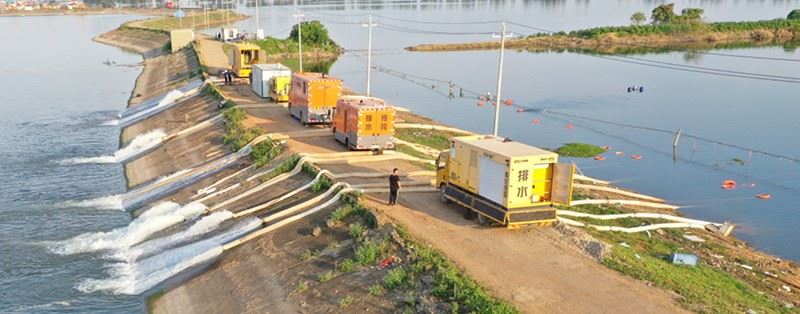
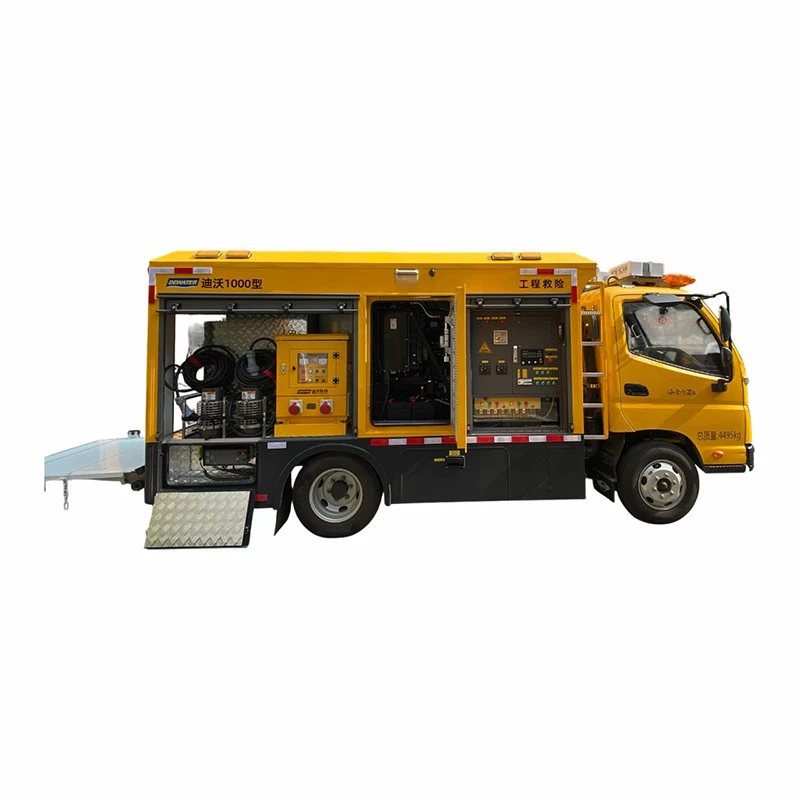
First off, let's talk about the types of mobile drainage pumps we offer. We have the Diesel Drainage Pump Truck, which is a heavy - duty option great for large - scale drainage tasks. Then there's the Portable Mobile Drainage Pump, perfect for smaller jobs and easy to move around. And don't forget the Flood - fighting and Rescue Mobile Pump, designed specifically for emergency situations.
Now, what impacts the power consumption of these pumps? Well, one of the biggest factors is the pump's flow rate. Flow rate refers to the volume of water the pump can move in a given amount of time, usually measured in liters per minute or gallons per hour. The higher the flow rate, the more power the pump will need to move that water. For example, if you're dealing with a large flood and need to quickly remove a massive amount of water, you'll need a pump with a high flow rate. But keep in mind, this high - performance comes at the cost of increased power consumption.
Another factor is the head pressure. Head pressure is the height that the pump needs to lift the water. If you're pumping water up a tall building or over a significant elevation, the pump has to work harder, which means it will consume more power. Think of it like trying to push a heavy object up a hill. The steeper the hill (or the higher the head pressure), the more energy you'll need to exert.
The efficiency of the pump also plays a huge role. A more efficient pump will use less power to achieve the same flow rate and head pressure compared to a less efficient one. Modern pumps are designed with advanced technology to improve their efficiency. For instance, some pumps use special impellers and motor designs that reduce energy waste. When choosing a mobile drainage pump, it's worth investing in a high - efficiency model, even if it costs a bit more upfront. You'll save money in the long run on energy bills.
The type of power source can also affect power consumption. Diesel - powered pumps, like our Diesel Drainage Pump Truck, consume diesel fuel. The amount of fuel they use depends on the load they're under. When the pump is running at full capacity, it will burn more diesel. Electric - powered pumps, on the other hand, draw power from an electrical grid or a generator. The power consumption of electric pumps is usually measured in kilowatts (kW). You need to make sure your power source can handle the pump's power requirements. If you're using a generator, make sure it has enough wattage to run the pump without overloading.
Let's take a closer look at each type of pump and its power consumption characteristics.
The Diesel Drainage Pump Truck is a workhorse. It's designed for industrial and large - scale applications. Since it runs on diesel, its power consumption is related to the engine's performance. A large - capacity diesel engine in a pump truck can consume anywhere from a few liters to dozens of liters of diesel per hour, depending on the load. For example, during continuous heavy - duty operation, it might consume 20 - 30 liters of diesel per hour. However, when the load is lighter, like when it's pumping water at a lower flow rate or head pressure, the consumption will be lower.
The Portable Mobile Drainage Pump is more compact and suitable for small - scale jobs. If it's an electric - powered portable pump, its power consumption is typically in the range of a few hundred watts to a couple of kilowatts. For instance, a small portable pump might use around 500 watts, while a medium - sized one could use 1 - 2 kW. These pumps are great for home use, like draining a flooded basement or a small pond.
The Flood - fighting and Rescue Mobile Pump is built for quick response and high - performance in emergency situations. It often needs to operate at full capacity right from the start. These pumps can have relatively high power consumption, especially if they're diesel - powered. But since they're used in critical situations, the focus is more on their ability to quickly remove water rather than strict power conservation.
To get a better idea of the power consumption of a specific pump, it's always a good idea to check the manufacturer's specifications. The specs will usually include details about the pump's power requirements, flow rate, and head pressure. You can also use online calculators that take into account these factors to estimate the power consumption.
So, how can you manage the power consumption of your mobile drainage pump? First, make sure you choose the right pump for the job. Don't go for a high - capacity pump if you only have a small - scale drainage task. This will not only save you money on the initial purchase but also on energy costs. Second, maintain your pump properly. Regular maintenance, such as cleaning the impeller and checking the motor, can keep the pump running efficiently. A well - maintained pump will use less power.
In addition, consider the operating conditions. Try to minimize the head pressure as much as possible. If you can, place the pump closer to the water source and at a lower elevation to reduce the height the water needs to be lifted. Also, adjust the flow rate according to the actual demand. There's no need to run the pump at full speed if you don't need to move a large volume of water.
If you're still unsure about which pump is right for you or have questions about power consumption, don't hesitate to reach out. We're here to help you make the best choice for your specific situation. Whether you're dealing with a minor flood in your backyard or a large - scale industrial drainage project, we have the expertise and the right pumps to meet your needs.
If you're interested in purchasing a mobile drainage pump, we'd love to have a chat with you. Just get in touch with us to start the procurement discussion. We can provide you with detailed product information, price quotes, and answer any other questions you might have.
In conclusion, understanding the power consumption of a mobile drainage pump is essential for making informed decisions. By considering factors like flow rate, head pressure, efficiency, and power source, you can choose the right pump and manage its power usage effectively. This will not only save you money but also ensure that your drainage tasks are completed efficiently.
References
- Pump Handbook, various editions
- Industry reports on mobile drainage pump technology