


As a supplier of Mobile Pumping Stations, I often get asked about the operating temperature range of these essential pieces of equipment. Understanding the temperature limits is crucial for ensuring the efficient and safe operation of mobile pumping stations, whether they're used for flood control, construction site dewatering, or emergency rescue operations.
The Basics of Operating Temperature Range
The operating temperature range of a mobile pumping station refers to the minimum and maximum temperatures at which the pump can function effectively and safely. This range is determined by several factors, including the design of the pump, the materials used in its construction, and the type of fluid it's designed to handle.
Most mobile pumping stations are engineered to operate within a relatively wide temperature range to accommodate various environmental conditions. However, extreme temperatures can pose challenges to the performance and longevity of the pump.
Low-Temperature Challenges
At low temperatures, several issues can arise that affect the operation of a mobile pumping station. One of the primary concerns is the risk of freezing. If the fluid being pumped freezes, it can cause significant damage to the pump and its components. For example, water can expand when it freezes, which may crack the pump casing or damage the impeller.
To mitigate the risk of freezing, many mobile pumping stations are equipped with heating systems or insulation. These features help maintain the temperature of the fluid above the freezing point, ensuring continuous operation. Additionally, some pumps are designed with materials that can withstand low temperatures without becoming brittle or losing their structural integrity.
Another challenge at low temperatures is the increased viscosity of the fluid. As the temperature drops, the fluid becomes thicker, which can make it more difficult for the pump to move. This can lead to reduced flow rates, increased energy consumption, and potential damage to the pump motor. To address this issue, pumps may be designed with larger impellers or higher horsepower motors to handle the thicker fluid.
High-Temperature Challenges
High temperatures also present their own set of challenges for mobile pumping stations. One of the main concerns is the potential for overheating. When the pump operates at high temperatures, the motor and other components can generate a significant amount of heat. If this heat is not dissipated effectively, it can cause the pump to malfunction or even fail.

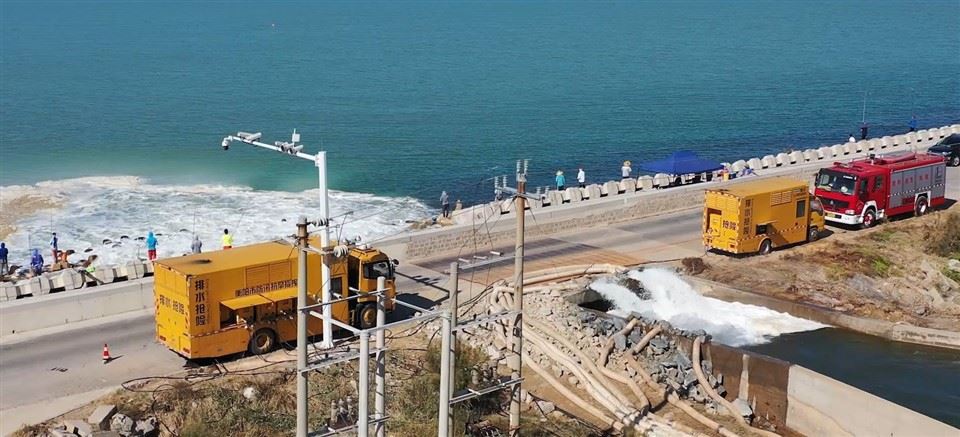
To prevent overheating, mobile pumping stations are typically equipped with cooling systems. These systems may include radiators, fans, or heat exchangers that help dissipate the heat generated by the pump. Additionally, the pump may be designed with materials that can withstand high temperatures without deforming or losing their strength.
Another issue at high temperatures is the potential for vapor lock. Vapor lock occurs when the fluid being pumped vaporizes due to the high temperature, creating pockets of vapor in the pump. This can disrupt the flow of the fluid and cause the pump to lose its prime. To prevent vapor lock, pumps may be designed with features such as venting systems or high-pressure seals to keep the fluid in a liquid state.
Typical Operating Temperature Ranges
The operating temperature range of a mobile pumping station can vary depending on the specific model and application. However, most pumps are designed to operate within a range of -20°C to 50°C (-4°F to 122°F). This range allows the pump to be used in a wide variety of environments, from cold winter conditions to hot summer days.
It's important to note that the operating temperature range can be affected by other factors, such as altitude, humidity, and the type of fluid being pumped. For example, pumps used at high altitudes may need to be designed with special considerations to account for the lower air pressure. Similarly, pumps used in humid environments may need to be more resistant to corrosion.
Applications and Temperature Considerations
Different applications of mobile pumping stations may require different temperature ranges. For example, Mobile Drainage Pump Trailer used for flood control may need to operate in a wide range of temperatures, from cold winter floods to hot summer storms. These pumps need to be able to handle large volumes of water quickly and efficiently, regardless of the temperature.
Emergency Rescue Drainage Pump Trucks are often used in critical situations where time is of the essence. These pumps need to be able to operate reliably in extreme temperatures, as they may be deployed in areas affected by natural disasters or other emergencies.
Dewatering Pump Trailer used in construction sites may need to operate in a more controlled temperature range. However, they may still be exposed to high temperatures due to the heat generated by construction equipment or the sun. These pumps need to be able to handle the specific requirements of the construction site, such as the type of soil and the volume of water that needs to be removed.
Ensuring Optimal Performance
To ensure the optimal performance of a mobile pumping station, it's important to follow the manufacturer's recommendations regarding operating temperature ranges. This may include using the pump within the specified temperature limits, performing regular maintenance, and using the appropriate fluids and lubricants.
Additionally, it's important to monitor the temperature of the pump during operation. Many pumps are equipped with temperature sensors that can alert the operator if the temperature exceeds the safe range. If the pump starts to overheat or if the fluid being pumped begins to freeze, it's important to take immediate action to prevent damage to the pump.
Conclusion
In conclusion, understanding the operating temperature range of a mobile pumping station is essential for ensuring its efficient and safe operation. By considering the challenges posed by low and high temperatures, and by following the manufacturer's recommendations, you can ensure that your mobile pumping station performs reliably in a wide variety of environmental conditions.
If you're in the market for a mobile pumping station, or if you have any questions about the operating temperature range or other aspects of our products, please don't hesitate to contact us. Our team of experts is ready to assist you in finding the right solution for your specific needs.
References
- Hydraulic Institute. (2019). Pump Handbook (4th ed.). McGraw-Hill Education.
- American Petroleum Institute. (2019). API 610: Centrifugal Pumps for Petroleum, Petrochemical, and Natural Gas Industries (11th ed.). API Publishing Services.