



Hey there! As a supplier of Mobile Pumping Stations, I often get asked about the noise level of these machines. It's a valid concern, especially when you're using them in residential areas, hospitals, or other noise - sensitive environments. So, let's dive right in and explore what the noise level of a mobile pumping station is all about.
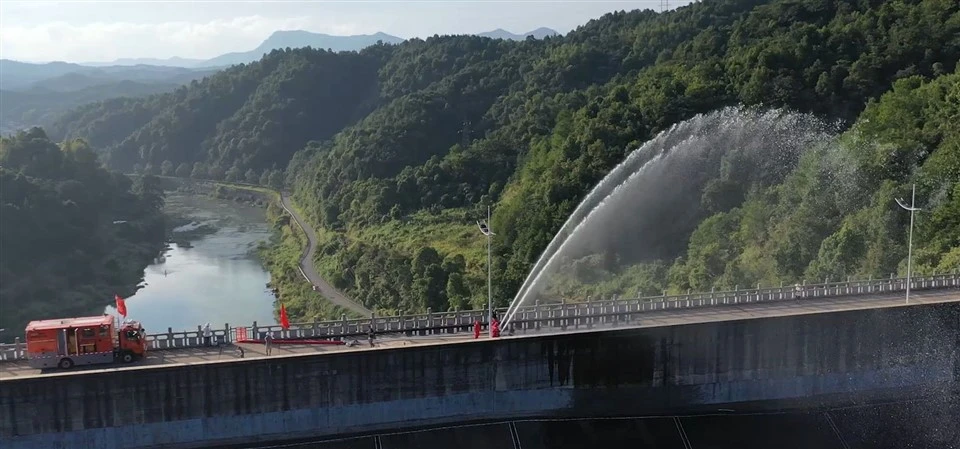
First off, what exactly is a mobile pumping station? Well, it's a self - contained unit that can be easily transported to different locations to handle various pumping tasks. Whether it's for flood control, construction site dewatering, or industrial wastewater management, these pumping stations are real workhorses. We offer a range of options, like Drainage Pump Vehicles in Disaster Sites, Dewatering Pump Truck, and High - flow Drainage Rescue Vehicle.
Now, let's talk about noise. The noise level of a mobile pumping station is affected by several factors. The type of pump is a major one. For example, centrifugal pumps, which are commonly used in mobile pumping stations, can produce different noise levels depending on their design and size. Smaller centrifugal pumps usually generate less noise compared to larger ones. That's because larger pumps often have more powerful motors and higher flow rates, which can lead to increased noise production.
The engine powering the pump also plays a huge role. Diesel engines, which are frequently used in mobile pumping stations, tend to be noisier than gasoline engines. Diesel engines operate at higher compression ratios, and the combustion process is more intense, resulting in more noise. However, modern diesel engines come with advanced noise - reduction technologies like sound - proof enclosures and mufflers. These features can significantly cut down the noise emitted by the engine.
The operating conditions of the pumping station matter too. If the pump is working at its maximum capacity, it'll likely make more noise than when it's operating at a lower capacity. Also, the way the pumping station is installed and supported can affect noise levels. A poorly installed pumping station can vibrate more, which in turn increases noise. Making sure the pumping station is properly leveled and mounted on a stable base can help reduce vibration and noise.
So, what kind of noise levels are we talking about? Well, it can vary widely. On average, a mobile pumping station can produce noise levels ranging from 70 to 90 decibels (dB). To put that in perspective, normal conversation is around 60 dB, and a lawnmower typically operates at about 90 dB. A 70 - dB noise level is relatively tolerable, similar to the noise in a busy office. But a 90 - dB noise level can be quite loud and may cause discomfort over an extended period.
In some cases, especially when working in noise - sensitive areas, you might need to take additional steps to reduce the noise. There are sound - proof enclosures available that can be installed around the pumping station. These enclosures are made of materials that absorb and dampen sound waves, effectively reducing the noise that reaches the surrounding area. Some enclosures can reduce noise levels by up to 20 dB.

Another option is to use noise - reducing barriers. These are physical barriers placed between the pumping station and the area where noise needs to be minimized. They work by blocking and reflecting sound waves. You can also schedule the pumping operations during less - sensitive hours, like late at night or early in the morning when there are fewer people around.
When it comes to meeting noise regulations, different regions have different standards. In some areas, there are strict limits on the noise levels that industrial equipment, including mobile pumping stations, can produce. As a supplier, we make sure that our pumping stations are designed and built to meet these regulations as much as possible. We work with manufacturers who are committed to producing quiet and efficient pumping stations.
If you're in the market for a mobile pumping station, the noise level should definitely be one of your considerations. You don't want to end up with a machine that causes problems for you or the people around you. When you're looking at different models, ask the supplier about the noise level specifications. A good supplier will be able to provide you with detailed information about the noise output of their pumping stations under different operating conditions.
We understand that every customer's needs are unique. Whether you're a construction company looking to dewater a site, a municipality dealing with flood control, or an industrial facility managing wastewater, we've got the right mobile pumping station for you. And we're here to help you choose a model that meets your requirements in terms of performance, reliability, and yes, noise level.
If you're interested in learning more about our mobile pumping stations or have any questions about noise levels or other features, don't hesitate to get in touch. We're always happy to have a chat and help you find the perfect solution for your pumping needs. Let's work together to get the job done efficiently and quietly!
References
- Engineering textbooks on pump technology
- Industry reports on mobile pumping station performance
- Noise regulations from various regional authorities