



Hey there! As a supplier of Light Duty Rescue Pump Trucks, I often get asked about the differences between light duty and heavy - duty rescue pump trucks. Well, let's dive right in and break it down.
Size and Mobility
First off, size matters big time when it comes to these pump trucks. Light duty rescue pump trucks are generally smaller in size. They're like the nimble little athletes of the rescue world. Their compact design allows them to navigate through narrow streets, alleys, and tight spaces with ease. You know, those places where big rigs just can't fit. For instance, in a densely populated urban area during a sudden flood, a light duty pump truck can quickly make its way to the affected spot.
On the flip side, heavy - duty rescue pump trucks are the giants. They're large and bulky. While they might not be as agile as their light - duty counterparts, they're built to handle the toughest of terrains. You can take them to large construction sites, big industrial areas, or even in the middle of a vast flood - affected rural area. But moving them around can be a bit of a hassle, especially in crowded city centers.
Pump Capacity
The pump capacity is another major difference. Light duty pump trucks usually have a lower pumping capacity. They're great for small - scale rescue operations. Say you've got a basement that's flooded after a heavy rainstorm. A light duty pump truck can efficiently remove the water in a relatively short time. Their pumps are designed to handle a smaller volume of water per minute, typically ranging from a few hundred to a couple of thousand liters.
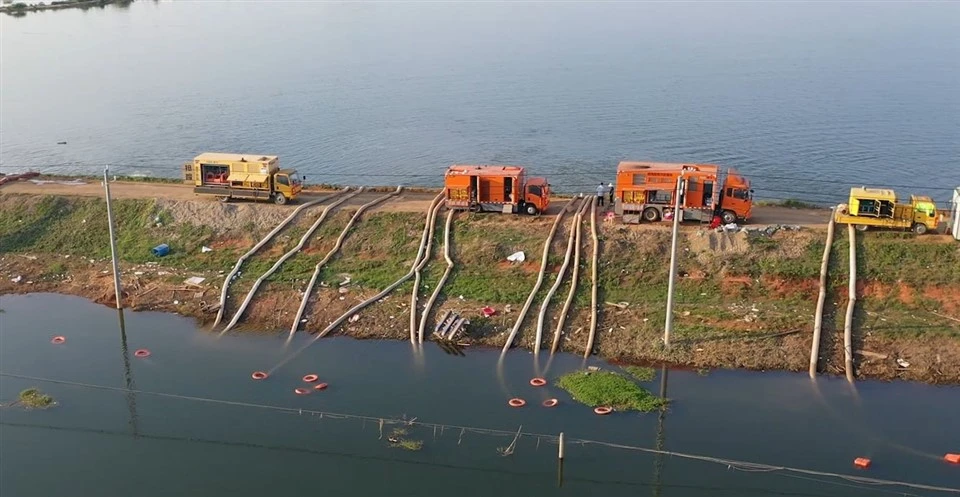
Heavy - duty rescue pump trucks, however, are powerhouses. They can pump an enormous amount of water. In a large - scale flood situation where entire neighborhoods are underwater, these trucks are the ones you want on the scene. Their pumping capacity can be several thousand liters per minute, sometimes even more. This makes them ideal for quickly draining large bodies of water and preventing long - term damage.
Power Source
When it comes to power sources, light duty rescue pump trucks often rely on gasoline or small - scale diesel engines. These engines are relatively quiet and easy to maintain. They're also more fuel - efficient for short - term, small - scale operations. This means you can use them for a few hours without having to worry too much about refueling.
Heavy - duty rescue pump trucks usually have larger diesel engines. These engines are much more powerful but also consume more fuel. They're built to run for long periods without overheating, which is crucial for extended rescue operations. However, they can be a bit noisy, and you need to have a proper fuel supply on hand, especially for long - term deployments.
Cost
Cost is always a factor, right? Light duty rescue pump trucks are generally more affordable. They're a great option for smaller municipalities, local fire departments, or private contractors who don't need to handle large - scale disasters on a regular basis. The initial purchase price is lower, and the operating costs, including fuel and maintenance, are also relatively cheap.
Heavy - duty rescue pump trucks, on the other hand, come with a hefty price tag. The cost of purchasing one is much higher, and the ongoing maintenance and fuel costs can add up quickly. But if you're dealing with large - scale emergencies on a regular basis, the investment might be worth it.
Applications
Light duty rescue pump trucks have a wide range of applications. They're perfect for urban flood control, small - scale dewatering projects, and even in some cases, for fire - fighting support. For example, they can be used to supply water to fire hoses in areas where the main water supply is limited. You can check out more about their applications on our Dewatering Pump Truck page.
Heavy - duty rescue pump trucks are mainly used for large - scale flood relief, industrial dewatering, and major construction site drainage. They're also crucial in emergency situations where quick and large - volume water removal is required. You can learn more about their capabilities on our Flooding and Dainage Pump Truck and Emergency Drainage Rescue Vehicle pages.
Ease of Operation
Light duty rescue pump trucks are generally easier to operate. Their controls are simpler, and the training required to operate them is less extensive. A single operator can usually handle the truck and the pumping operation without much trouble. This makes them a great option for smaller teams or volunteers who might not have a lot of experience.
Heavy - duty rescue pump trucks are more complex to operate. They require a trained and experienced operator. The controls are more sophisticated, and there are more safety procedures to follow. Training for operating these trucks can take longer, but it's essential to ensure safe and efficient operation.
Maintenance
Maintenance is a key consideration. Light duty rescue pump trucks are easier and cheaper to maintain. Their smaller engines and simpler systems mean that there are fewer parts that can go wrong. Routine maintenance tasks like oil changes, filter replacements, and engine tune - ups can be done quickly and at a lower cost.
Heavy - duty rescue pump trucks need more intensive maintenance. Their large engines and complex pumping systems require regular inspections and servicing. Specialized tools and trained technicians are often needed for maintenance tasks. This can add to the overall cost of owning and operating these trucks.
Which One Should You Choose?
So, which type of rescue pump truck is right for you? It really depends on your specific needs. If you're a small - scale operation, like a local fire department in a small town or a private contractor who mainly deals with urban floods, a light duty rescue pump truck is probably the way to go. It's affordable, easy to operate, and can handle most of your day - to - day rescue needs.
If you're a large municipality, a big industrial company, or an organization that deals with large - scale disasters on a regular basis, then a heavy - duty rescue pump truck is essential. It might be more expensive and harder to manage, but its power and capacity are unmatched when it comes to large - scale emergencies.
In conclusion, both light duty and heavy - duty rescue pump trucks have their own unique advantages and disadvantages. Understanding these differences can help you make an informed decision when it comes to purchasing a rescue pump truck.
If you're interested in learning more about our Light Duty Rescue Pump Trucks or have any questions about which type of truck is right for you, don't hesitate to reach out. We're here to help you make the best choice for your rescue operations. Contact us today to start the procurement discussion and find the perfect solution for your needs.
References
- Industry reports on rescue pump trucks
- Personal experience as a light duty rescue pump truck supplier