


Hey there! As a supplier of Drought Relief Drainage Pumps, I often get asked about the noise level of these pumps. It's a valid concern, especially if you're using them in residential areas, public spaces, or any place where noise can be a nuisance. So, let's dive right into it and explore what the noise level of a Drought Relief Drainage Pump really is.
First off, it's important to understand that the noise level of a pump can vary widely depending on several factors. One of the most significant factors is the type of pump. There are different kinds of Drought Relief Drainage Pumps out there, and each has its own noise characteristics.
For instance, some pumps are powered by electric motors, while others use diesel engines. Electric - powered pumps generally tend to be quieter than their diesel - powered counterparts. Diesel engines produce more noise due to the combustion process and the mechanical components involved. When a diesel engine runs, it creates vibrations and exhaust noise, which can be quite loud, especially if the engine is large or not well - maintained.
Another factor that affects the noise level is the pump's size and power. Larger pumps with higher flow rates and greater horsepower usually generate more noise. This is because they have bigger motors or engines that need to work harder to move large volumes of water. A small, low - power Drought Relief Drainage Pump might be relatively quiet, suitable for use in small - scale applications like draining a backyard pond. On the other hand, a large - scale pump used for major flood control or drought relief projects in a large area will likely be much louder.
The design and construction of the pump also play a crucial role. Pumps with better - engineered components and noise - reducing features will produce less noise. Some manufacturers use advanced materials and design techniques to dampen vibrations and reduce the overall noise output. For example, they might use rubber mounts to isolate the pump from the ground or the mounting surface, which helps to absorb vibrations and prevent them from being transmitted as noise.
Now, let's talk about how the noise level of a Drought Relief Drainage Pump is measured. The unit of measurement for sound is the decibel (dB). A normal conversation usually takes place at around 60 dB. A quiet library might have a noise level of about 40 dB, while a busy city street can reach 70 - 80 dB.
Most small - to - medium - sized electric Drought Relief Drainage Pumps typically operate at noise levels ranging from 65 dB to 80 dB. This is similar to the noise level of a vacuum cleaner or a dishwasher. These pumps are usually suitable for use in areas where a moderate level of noise can be tolerated, such as industrial sites or large gardens.
Diesel - powered pumps, however, can be much louder. They can produce noise levels in the range of 85 dB to 100 dB or even higher. A noise level of 85 dB is equivalent to the noise of heavy traffic on a highway, and 100 dB is similar to the noise of a jackhammer. Prolonged exposure to noise levels above 85 dB can cause hearing damage, so it's important to take proper precautions when using these pumps.
If you're using a Drought Relief Drainage Pump in a residential area or a place where noise restrictions apply, you need to be aware of the local regulations. Some areas have strict limits on the noise level that can be produced during certain hours of the day. For example, in many cities, it's illegal to operate noisy equipment between 10 pm and 7 am.
To reduce the noise level of a Drought Relief Drainage Pump, there are several things you can do. First, you can choose a pump with a lower noise rating. Look for pumps that are specifically designed to be quiet, with features like sound - insulating enclosures. Second, you can install the pump on a vibration - absorbing pad or mount. This will help to reduce the amount of noise that is transmitted through the ground or the structure where the pump is installed.
You can also use sound - proofing materials around the pump. For example, you can build a small shed or enclosure made of sound - absorbing materials like fiberglass or acoustic foam. This will help to contain the noise and prevent it from spreading to the surrounding area.
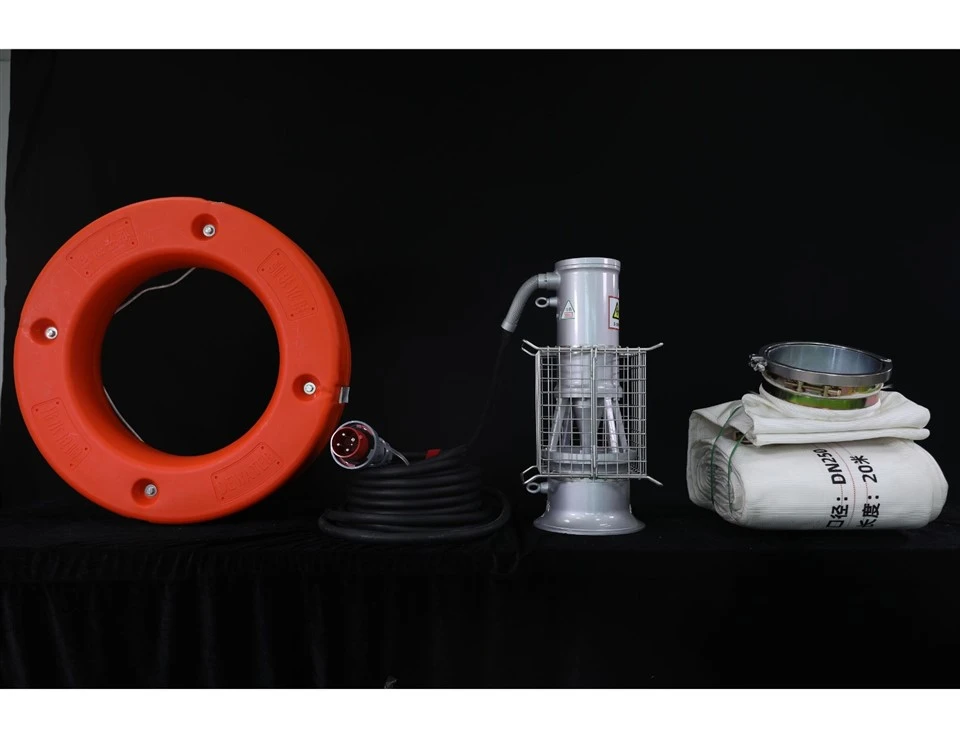
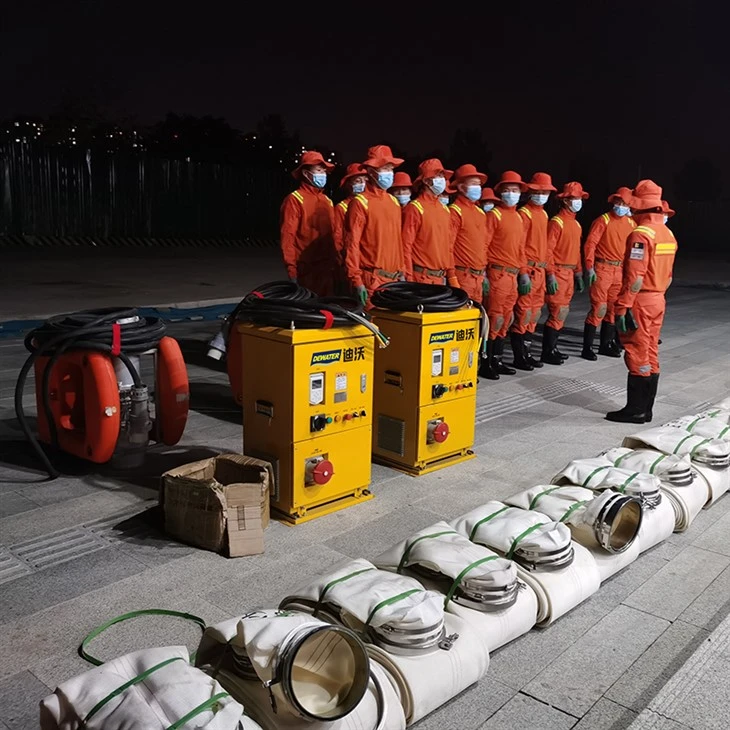
At our company, we offer a wide range of Drought Relief Drainage Pumps to meet different needs. We have Mobile Dewatering Pump that are highly efficient and relatively quiet, making them suitable for various dewatering applications. Our Government Emergency Flood Control Pump are designed to handle large - scale flood control projects, and we've taken steps to minimize their noise levels. And for rescue operations, our Rescue Mobile Drainage Pump are reliable and can be used in emergency situations without causing excessive noise.
If you're in the market for a Drought Relief Drainage Pump and are concerned about the noise level, don't hesitate to reach out to us. We can provide you with detailed information about the noise ratings of our pumps and help you choose the right one for your specific needs. Whether you're a homeowner looking to drain a small area or a government agency in charge of a large - scale drought relief project, we've got you covered.
In conclusion, the noise level of a Drought Relief Drainage Pump depends on many factors, including the type of pump, its size, power, and design. By understanding these factors and taking appropriate measures, you can minimize the noise and ensure that your pump operates effectively without causing too much disturbance. So, if you're interested in purchasing a Drought Relief Drainage Pump, get in touch with us, and let's start the conversation about finding the perfect pump for you.
References
- "Handbook of Pumps and Pumping Systems" by Igor J. Karassik et al.
- Various industry reports on pump noise levels and regulations.