


As a supplier of Mobile Pumping Stations, I've received numerous inquiries regarding the monitoring frequency of key parameters. This topic is crucial as it directly impacts the efficiency, safety, and longevity of the pumping station. In this blog, I'll delve into the details of what these key parameters are and how often they should be monitored.
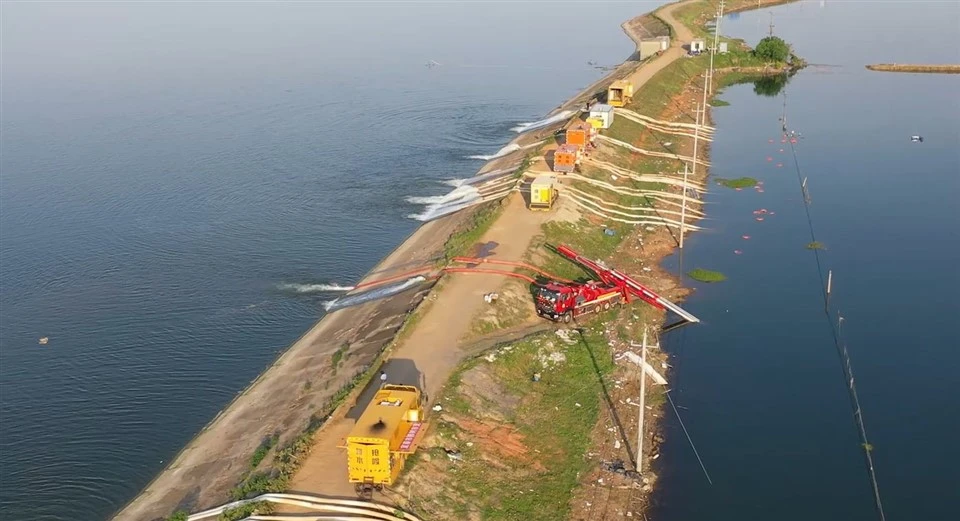
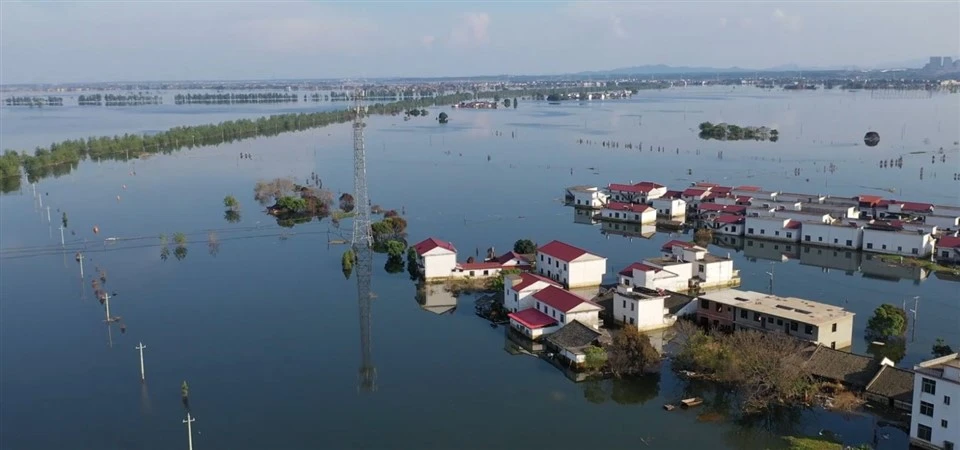
Key Parameters of a Mobile Pumping Station
Before discussing the monitoring frequency, it's essential to understand the key parameters that need to be monitored. These parameters can be broadly categorized into mechanical, hydraulic, and electrical aspects.
Mechanical Parameters
- Bearing Temperature: Bearings are critical components in a pumping station, supporting the rotating shafts. Excessive bearing temperature can indicate issues such as improper lubrication, misalignment, or bearing wear. Monitoring bearing temperature helps in detecting potential failures early and preventing costly breakdowns.
- Vibration: Vibration analysis is an effective way to detect mechanical problems in the pumping station. Unusual vibration levels can be caused by factors such as imbalance, misalignment, or loose components. By monitoring vibration, we can identify and address these issues before they lead to major damage.
Hydraulic Parameters
- Flow Rate: The flow rate of the pumping station determines its ability to move water from one place to another. Monitoring the flow rate helps in ensuring that the pumping station is operating at its designed capacity and can detect any blockages or leaks in the system.
- Pressure: Pressure is another important hydraulic parameter that needs to be monitored. Abnormal pressure levels can indicate problems such as clogged filters, pump cavitation, or valve malfunctions. By monitoring pressure, we can maintain the optimal performance of the pumping station and prevent damage to the equipment.
Electrical Parameters
- Voltage and Current: Monitoring the voltage and current of the electrical system is crucial for ensuring the safe and efficient operation of the pumping station. Fluctuations in voltage or current can damage the electrical components and cause the pumping station to malfunction.
- Power Consumption: Power consumption is an important indicator of the energy efficiency of the pumping station. By monitoring power consumption, we can identify any inefficiencies in the system and take steps to improve its performance.
Monitoring Frequency
The monitoring frequency of the key parameters depends on several factors, including the type of pumping station, its operating conditions, and the manufacturer's recommendations. Here are some general guidelines for monitoring the key parameters:
Continuous Monitoring
- Flow Rate and Pressure: These hydraulic parameters should be continuously monitored in real-time using flow meters and pressure sensors. Continuous monitoring allows for immediate detection of any changes in the system and enables prompt action to be taken to prevent damage.
- Voltage and Current: Electrical parameters such as voltage and current should also be continuously monitored to ensure the safe and efficient operation of the pumping station. This can be done using power analyzers or monitoring systems.
Periodic Monitoring
- Bearing Temperature and Vibration: These mechanical parameters should be monitored periodically, typically once a day or once a week, depending on the operating conditions of the pumping station. Regular monitoring helps in detecting any gradual changes in the bearing temperature or vibration levels and allows for timely maintenance.
- Power Consumption: Power consumption should be monitored on a regular basis, such as once a month or once a quarter, to track the energy efficiency of the pumping station. This can help in identifying any trends or anomalies in power consumption and taking steps to improve the system's performance.
Condition-Based Monitoring
In addition to continuous and periodic monitoring, condition-based monitoring can also be used to optimize the monitoring frequency of the key parameters. Condition-based monitoring involves using sensors and diagnostic tools to detect changes in the condition of the equipment and predict when maintenance is required. By using condition-based monitoring, we can reduce the frequency of monitoring for parameters that are in good condition and increase the frequency for parameters that show signs of deterioration.
Importance of Monitoring
Monitoring the key parameters of a mobile pumping station is essential for several reasons:
Preventive Maintenance
By monitoring the key parameters, we can detect any potential problems early and take preventive maintenance measures to avoid major breakdowns. This can save time and money by reducing the need for costly repairs and downtime.
Optimal Performance
Monitoring the key parameters helps in ensuring that the pumping station is operating at its optimal performance. By maintaining the flow rate, pressure, and other parameters within the recommended range, we can maximize the efficiency of the pumping station and reduce energy consumption.
Safety
Monitoring the key parameters is also important for ensuring the safety of the pumping station and its operators. By detecting any abnormal conditions early, we can take steps to prevent accidents and protect the equipment and personnel.
Conclusion
In conclusion, the monitoring frequency of the key parameters of a mobile pumping station depends on several factors, including the type of pumping station, its operating conditions, and the manufacturer's recommendations. Continuous monitoring of flow rate, pressure, voltage, and current is essential for immediate detection of any changes in the system, while periodic monitoring of bearing temperature, vibration, and power consumption helps in detecting gradual changes and taking preventive maintenance measures. Condition-based monitoring can also be used to optimize the monitoring frequency and improve the efficiency of the maintenance program.
If you're interested in learning more about our Trailer Mounted Pumps, Mobile Pump Drainage Rescue Trucks, or Large Mobile Drainage Pump Station, or if you have any questions about the monitoring frequency of key parameters, please don't hesitate to contact us for a detailed discussion and potential procurement. We're committed to providing high-quality mobile pumping solutions and professional support to meet your needs.
References
- Manufacturer's manuals for mobile pumping stations
- Industry standards and guidelines for pumping system monitoring
- Technical literature on condition-based maintenance and equipment monitoring