


Are there any performance evaluations for emergency water rescue pickup teams?
As a supplier of Emergency Water Rescue Pickup equipment, I've often pondered the significance of performance evaluations for emergency water rescue pickup teams. These teams play a crucial role in saving lives and minimizing damage during water - related emergencies such as floods, flash floods, and coastal inundations. In this blog, I'll delve into the importance of performance evaluations, the key aspects to consider, and how our products can contribute to a team's success.
The Importance of Performance Evaluations
Performance evaluations are essential for emergency water rescue pickup teams for numerous reasons. Firstly, they help in identifying the team's strengths and weaknesses. By analyzing past operations, teams can understand which areas they excel in, such as rapid response times or efficient patient handling, and which areas need improvement, like communication during complex rescues.
Secondly, evaluations contribute to continuous learning and development. Rescue operations are dynamic, and new challenges emerge with each incident. Regular evaluations allow teams to adapt their strategies and training programs accordingly. For example, if a team consistently struggles with rescuing victims in strong currents, they can focus on specialized training in high - flow water rescues.
Thirdly, performance evaluations enhance accountability. In high - stakes emergency situations, the public expects a high standard of service from rescue teams. By measuring and reporting on performance, teams can demonstrate their commitment to safety and effectiveness, which in turn builds public trust.
Key Aspects of Performance Evaluation
- Response Time
Response time is a critical metric for emergency water rescue pickup teams. The faster a team can reach the scene of an incident, the higher the chances of saving lives. Factors that can affect response time include the location of the team's base, traffic conditions, and the availability of equipment. For instance, if a team is based far from flood - prone areas, they may need to invest in mobile units or pre - position equipment in strategic locations to reduce response times. - Rescue Success Rate
The rescue success rate measures the number of victims successfully rescued compared to the total number of victims in an incident. This metric reflects the team's technical skills, experience, and the effectiveness of their equipment. A high rescue success rate indicates that the team is well - trained and equipped to handle various water rescue scenarios. - Equipment Utilization
Proper utilization of equipment is vital for a successful water rescue operation. Teams need to ensure that their equipment, such as boats, life jackets, and rescue ropes, is in good working condition and used correctly. An evaluation of equipment utilization can reveal if there are any issues with equipment maintenance, training on its use, or if the team has the right type and quantity of equipment for different situations. - Communication
Effective communication is the backbone of any emergency response. In water rescue operations, teams need to communicate with each other, other emergency services (such as fire and police), and the victims. Poor communication can lead to delays, misunderstandings, and even endanger lives. Evaluating communication processes can help identify areas for improvement, such as implementing better radio protocols or using new communication technologies. - Teamwork
Water rescue operations require a high level of teamwork. Team members need to work together seamlessly, with each person knowing their role and responsibilities. Evaluating teamwork can involve observing how team members interact during training exercises and real - life operations. Signs of good teamwork include mutual support, clear division of labor, and the ability to adapt to changing situations.
Our Contribution as an Emergency Water Rescue Pickup Supplier
At our company, we understand the importance of providing high - quality equipment to support emergency water rescue pickup teams. Our product range includes High - flow Drainage Rescue Vehicle, Flooding Control Pickup, and Large Flow Drainage Emergency Rescue Truck.
Our High - flow Drainage Rescue Vehicle is designed to quickly remove large volumes of water from flood - affected areas. It is equipped with powerful pumps and advanced control systems, which can significantly reduce the water level in a short time, making it easier for rescue teams to access victims.
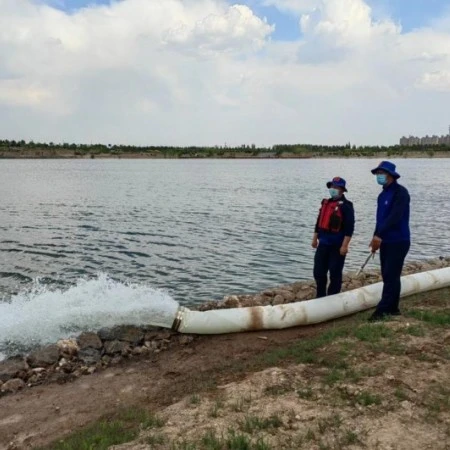

The Flooding Control Pickup is a versatile vehicle that can be used for various water rescue and flood control tasks. It is compact and maneuverable, allowing it to reach areas that larger vehicles cannot access. This vehicle is also equipped with essential rescue equipment, such as life jackets and first - aid kits.
The Large Flow Drainage Emergency Rescue Truck is a heavy - duty vehicle designed for large - scale flood emergencies. It has a high - capacity pumping system and can be used to drain water from large areas, such as industrial sites or residential neighborhoods.
By using our equipment, emergency water rescue pickup teams can improve their performance in several ways. Firstly, our high - quality equipment can increase the efficiency of water removal, which in turn reduces response times and improves the rescue success rate. Secondly, our vehicles are designed to be reliable and easy to operate, which means less time is spent on equipment maintenance and more time on actual rescue operations.
Conclusion
Performance evaluations are an integral part of the operations of emergency water rescue pickup teams. They help teams improve their performance, enhance accountability, and build public trust. As a supplier of emergency water rescue pickup equipment, we are committed to providing products that can support teams in achieving their performance goals.
If you are part of an emergency water rescue pickup team or an organization looking to enhance your water rescue capabilities, we invite you to contact us for more information about our products and how they can contribute to your team's success. We are ready to engage in procurement discussions and help you find the best solutions for your specific needs.
References
- National Fire Protection Association. (2019). NFPA 1006: Standard for Technical Rescuer Professional Qualifications.
- Federal Emergency Management Agency. (2020). Flood Response and Recovery Guide.
- International Life Saving Federation. (2021). Guidelines for Water Rescue Operations.