


Hey there! As a supplier of Light Duty Rescue Pump Trucks, I often get asked about the minimum water level required for these pumps to work effectively. It's a crucial question, especially when it comes to emergency situations where every second counts. So, let's dive right into it!
Understanding the Basics of Light Duty Rescue Pump Trucks
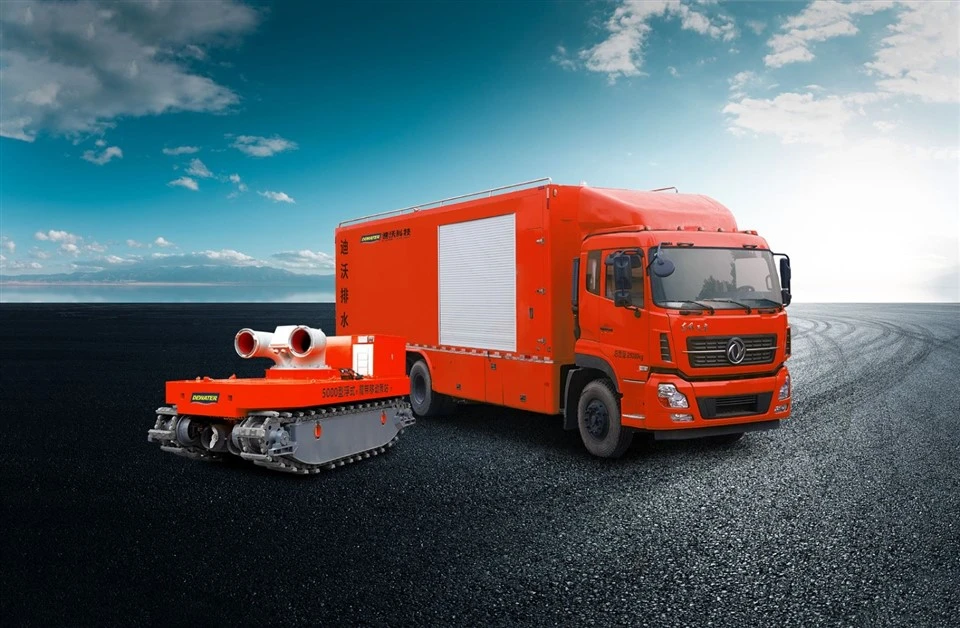
Before we talk about the minimum water level, let's briefly understand what a light duty rescue pump truck is. These trucks are designed for quick and efficient water transfer during emergencies such as floods, fire-fighting, or waterlogging situations. They are equipped with pumps that can move large volumes of water in a short period.
The pumps in these trucks are typically centrifugal pumps. Centrifugal pumps work by using an impeller to create a centrifugal force that moves the water. They are known for their high flow rates and are suitable for a variety of applications.
Factors Affecting the Minimum Water Level
The minimum water level required for a pump to work in a light duty rescue pump truck depends on several factors. Here are some of the key ones:
Pump Design
The design of the pump plays a significant role in determining the minimum water level. Some pumps are designed to work with a lower water level, while others require a higher level. For example, self-priming pumps can start working even when there is a small amount of water in the suction line. These pumps are great for situations where the water level is low.
On the other hand, non-self-priming pumps need to be filled with water before they can start working. They usually require a higher water level to ensure that the pump is properly primed.
Suction Lift
The suction lift is the vertical distance between the water source and the pump. A higher suction lift means that the pump has to work harder to draw water. If the suction lift is too high and the water level is too low, the pump may not be able to draw enough water to operate effectively.
In general, most light duty rescue pump trucks can handle a suction lift of up to 25 feet. However, this can vary depending on the pump design and the type of water being pumped.
Water Viscosity
The viscosity of the water also affects the minimum water level required for the pump to work. Viscous fluids, such as thick mud or sludge, require a higher water level to be pumped effectively. This is because the pump has to work harder to move the thicker fluid.
Pump Size and Capacity
The size and capacity of the pump also play a role in determining the minimum water level. Larger pumps with higher capacities generally require a higher water level to operate efficiently. This is because they need a sufficient amount of water to fill the pump chamber and create the necessary pressure.
Determining the Minimum Water Level
So, how do you determine the minimum water level required for a pump to work in a light duty rescue pump truck? Here are some steps you can follow:
Check the Pump Manufacturer's Specifications
The first step is to check the pump manufacturer's specifications. These specifications will usually provide information about the minimum water level required for the pump to work. They may also include details about the suction lift, flow rate, and other important parameters.
Conduct a Site Assessment
Before using the pump, it's important to conduct a site assessment. This involves measuring the water level at the source and determining the suction lift. You can use a measuring tape or a depth gauge to measure the water level.

Test the Pump
If possible, it's a good idea to test the pump at the site. Start the pump and observe its performance. If the pump is not working properly or is not drawing enough water, it may be a sign that the water level is too low.
Importance of Maintaining the Minimum Water Level
Maintaining the minimum water level is crucial for the proper operation of the pump. If the water level is too low, the pump may experience cavitation. Cavitation occurs when the pressure in the pump drops below the vapor pressure of the water, causing the water to vaporize. This can lead to damage to the pump impeller and other components.
In addition, a low water level can also cause the pump to overheat. When the pump is not receiving enough water, it has to work harder to maintain the flow rate. This can cause the pump to overheat, which can lead to premature failure.
Our Light Duty Rescue Pump Trucks
At our company, we offer a range of light duty rescue pump trucks that are designed to work effectively in a variety of situations. Our trucks are equipped with high-quality pumps that are capable of handling different water levels and flow rates.
We have Mobile Pumping Station, which is a versatile solution for water transfer during emergencies. It can be easily transported to the site and set up quickly.
Our Emergency Water Rescue Pickup is another great option for quick water removal. It is designed to be compact and easy to operate, making it ideal for small-scale rescue operations.
If you need a more powerful solution, our Mobile Drainage Pump Station is the way to go. It can handle large volumes of water and is suitable for heavy-duty applications.
Contact Us for Purchase and Consultation
If you're interested in purchasing a light duty rescue pump truck or have any questions about the minimum water level or other technical details, don't hesitate to contact us. We have a team of experts who can provide you with the information and support you need. Whether you're dealing with a flood, a fire, or any other water-related emergency, our pumps can help you get the job done quickly and efficiently.
References
- Pump Handbook, by Igor J. Karassik et al.
- Centrifugal Pumps: Design and Application, by Heinz P. Bloch and Allan R. Budris.