


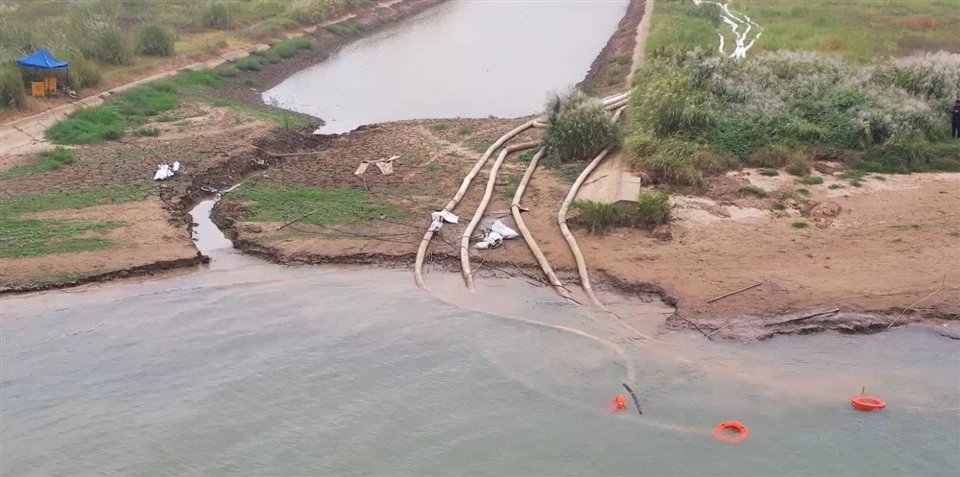
A mobile pumping station is a versatile and essential piece of equipment used in various industries, including construction, mining, agriculture, and emergency response. It provides a flexible and efficient solution for moving large volumes of water or other fluids from one location to another. One of the critical components of a mobile pumping station is its lubrication system, which plays a vital role in ensuring the smooth operation and longevity of the pump and its associated components.
Understanding the Lubrication System
The lubrication system in a mobile pumping station serves several key functions. First and foremost, it reduces friction between moving parts. In a pump, there are numerous components that move against each other, such as pistons, bearings, and gears. Without proper lubrication, the friction between these parts would generate excessive heat, leading to premature wear and tear, and ultimately, component failure. By providing a thin film of lubricant between the moving surfaces, the lubrication system minimizes friction and heat generation, allowing the pump to operate more efficiently.
Secondly, the lubrication system helps to protect the pump's components from corrosion. Water and other fluids that the pump handles can be corrosive, especially if they contain chemicals or impurities. The lubricant forms a protective barrier on the metal surfaces of the pump, preventing direct contact with the corrosive substances and reducing the risk of rust and corrosion.
In addition to reducing friction and preventing corrosion, the lubrication system also helps to remove contaminants from the pump. As the lubricant circulates through the system, it picks up dirt, debris, and other particles that may have entered the pump. These contaminants are then filtered out by the lubrication system's filters, ensuring that the lubricant remains clean and effective.
Components of the Lubrication System
The lubrication system of a mobile pumping station typically consists of several components, including a lubricant reservoir, a pump, filters, and a distribution system.
The lubricant reservoir is where the lubricant is stored. It is usually a large tank located near the pump. The size of the reservoir depends on the size and capacity of the pumping station. A larger pumping station will require a larger reservoir to ensure an adequate supply of lubricant.
The lubricant pump is responsible for circulating the lubricant through the system. It draws the lubricant from the reservoir and pressurizes it before sending it to the various components of the pump that need lubrication. The pump is usually driven by the same power source as the main pump, such as an engine or an electric motor.
Filters are an essential part of the lubrication system. They are designed to remove contaminants from the lubricant, ensuring that only clean lubricant reaches the pump's components. There are different types of filters used in the lubrication system, including oil filters, which remove solid particles, and water separators, which remove water from the lubricant.
The distribution system consists of pipes, hoses, and fittings that carry the lubricant from the pump to the various components of the pump. The distribution system is designed to ensure that the lubricant is evenly distributed to all the parts that need lubrication.
Types of Lubricants
There are several types of lubricants that can be used in a mobile pumping station, depending on the specific requirements of the pump and the operating conditions. The most common types of lubricants include mineral oils, synthetic oils, and greases.
Mineral oils are derived from crude oil and are the most widely used type of lubricant. They are relatively inexpensive and offer good lubrication properties. However, they may not be suitable for use in extreme temperatures or in applications where high levels of contamination are expected.
Synthetic oils are man-made lubricants that offer superior performance compared to mineral oils. They have better thermal stability, oxidation resistance, and viscosity characteristics, making them suitable for use in a wide range of operating conditions, including high temperatures and high loads. Synthetic oils are also more resistant to contamination and can provide longer service life.
Greases are a semi-solid lubricant that is made by mixing a lubricating oil with a thickening agent. Greases are commonly used in applications where a more viscous lubricant is required, such as in bearings and gears. They provide good adhesion and can stay in place for longer periods, reducing the need for frequent lubrication.
Maintenance of the Lubrication System
Proper maintenance of the lubrication system is essential to ensure the reliable operation of the mobile pumping station. Regular maintenance tasks include checking the lubricant level, changing the lubricant and filters at the recommended intervals, and inspecting the system for leaks and other problems.
The lubricant level should be checked regularly to ensure that there is an adequate supply of lubricant in the reservoir. If the lubricant level is low, it may indicate a leak in the system or excessive consumption of lubricant. In either case, the problem should be investigated and corrected as soon as possible.
The lubricant and filters should be changed at the recommended intervals. Over time, the lubricant will break down and become contaminated, reducing its effectiveness. Changing the lubricant and filters at the recommended intervals ensures that the lubrication system remains clean and efficient.
Inspecting the lubrication system for leaks and other problems is also an important part of maintenance. Leaks can lead to a loss of lubricant, which can cause damage to the pump's components. Any leaks should be repaired immediately to prevent further damage.
Conclusion
The lubrication system is a critical component of a mobile pumping station. It plays a vital role in reducing friction, preventing corrosion, and removing contaminants from the pump. By understanding the components and functions of the lubrication system, and by following proper maintenance procedures, you can ensure the reliable operation and longevity of your mobile pumping station.
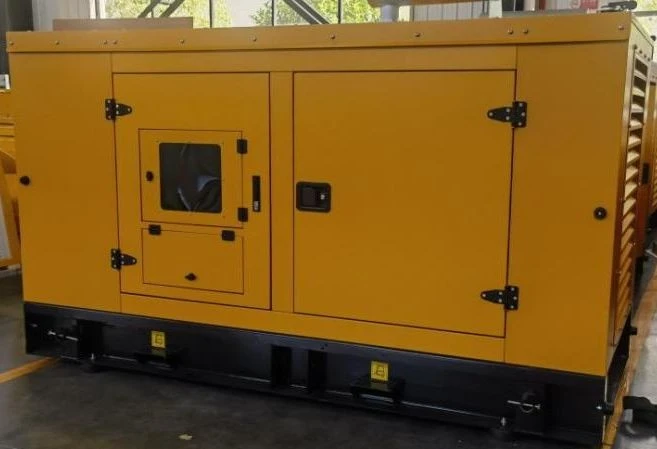
If you are in the market for a Mobile Pump Station, Drought Relief Drainage Pump Truck, or Water Drainage Pump Truck, we are a leading supplier with a wide range of high-quality products to meet your needs. Our pumping stations are designed and built to the highest standards, and our lubrication systems are engineered to provide reliable and efficient performance. Contact us today to discuss your requirements and explore how our products can benefit your operations.
References
- "Pump Handbook" by Igor J. Karassik et al.
- "Lubrication Fundamentals" by Howard S. Rowlands.
- Manufacturer's manuals for mobile pumping stations.