


As a reputable supplier of drainage pump vehicles, I've often been asked about the material requirements for the pump body of these crucial machines. The pump body is the heart of a drainage pump vehicle, and its material selection plays a pivotal role in determining the vehicle's performance, durability, and efficiency. In this blog post, I'll delve into the key material requirements for the pump body of a drainage pump vehicle.
Corrosion Resistance
One of the most critical requirements for the pump body material is corrosion resistance. Drainage pump vehicles are often used in harsh environments where they come into contact with various corrosive substances, such as sewage, industrial wastewater, and saltwater. These substances can cause significant damage to the pump body over time if the material is not resistant to corrosion.
Stainless steel is a popular choice for pump bodies due to its excellent corrosion resistance. It contains chromium, which forms a thin, protective oxide layer on the surface of the metal, preventing further corrosion. Different grades of stainless steel are available, each with varying levels of corrosion resistance. For example, 304 stainless steel is commonly used in general applications, while 316 stainless steel is preferred for more corrosive environments, such as those involving saltwater.
Another option is ductile iron, which can be coated with epoxy or other protective coatings to enhance its corrosion resistance. Epoxy coatings create a barrier between the metal and the corrosive substances, significantly reducing the risk of corrosion. This makes ductile iron a cost - effective alternative for pump bodies in many drainage applications.
Strength and Durability
The pump body must be able to withstand high pressures and mechanical stresses during operation. Drainage pump vehicles often need to pump water at high flow rates and pressures, which can put significant strain on the pump body. Therefore, the material used for the pump body should have high strength and good durability.
Cast iron is a traditional material known for its high strength. It can handle the high pressures generated by the pump and is resistant to cracking. However, it is relatively heavy and may require more maintenance to prevent corrosion. Steel castings are also a viable option as they offer excellent strength - to - weight ratios. They can be customized to meet specific design requirements, making them suitable for a wide range of drainage pump vehicle applications.
For applications where lightweight materials are desired, such as in mobile pump vehicles, aluminum alloys can be considered. Aluminum alloys have good strength and are much lighter than cast iron or steel. This reduces the overall weight of the pump vehicle, improving fuel efficiency and maneuverability. However, their corrosion resistance may be lower compared to stainless steel, so proper surface treatments are often required.
Wear Resistance
The pump body is also exposed to abrasive particles present in the water being pumped, such as sand, silt, and debris. These particles can cause wear on the inner surfaces of the pump body, reducing its efficiency and lifespan. Therefore, the material used for the pump body should have good wear resistance.
Hardened steel is a common choice for pump bodies in abrasive environments. It can withstand the impact and abrasion of the particles, maintaining its integrity over time. Some manufacturers also use ceramic coatings on the inner surfaces of the pump body to enhance wear resistance. Ceramic coatings are extremely hard and can significantly reduce the wear caused by abrasive particles.
Machinability
The material used for the pump body should be easy to machine. During the manufacturing process, the pump body needs to be shaped, drilled, and threaded to accommodate various components, such as impellers, shafts, and seals. Good machinability ensures that the manufacturing process is efficient and cost - effective.
Aluminum alloys and some grades of stainless steel are known for their good machinability. They can be easily cut, drilled, and formed into the desired shape using standard machining techniques. Cast iron also has reasonable machinability, although it may require more specialized tools and techniques due to its hardness.
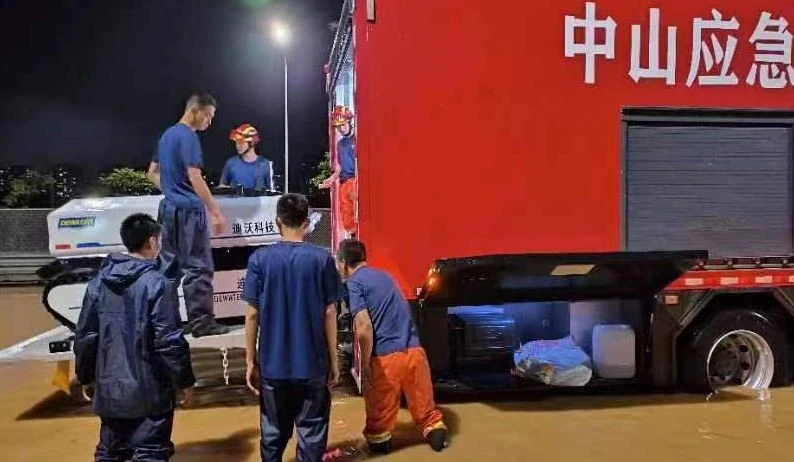

Compatibility with Other Components
The pump body material must be compatible with the other components of the drainage pump vehicle, such as the impeller, shaft, and seals. Incompatible materials can cause galvanic corrosion, which occurs when two different metals are in contact in an electrolyte (such as water). This can lead to premature failure of the components.
For example, if the impeller is made of a certain alloy, the pump body material should be chosen in such a way that it does not cause galvanic corrosion when in contact with the impeller. This requires careful consideration of the electrochemical properties of the materials.
Thermal Resistance
In some applications, the drainage pump vehicle may be exposed to high - temperature environments or the water being pumped may be hot. Therefore, the pump body material should have good thermal resistance to prevent deformation or damage due to heat.
Stainless steel and some heat - resistant alloys are suitable for applications where thermal resistance is required. These materials can maintain their strength and integrity at high temperatures, ensuring the proper functioning of the pump.
Cost - effectiveness
Finally, cost - effectiveness is an important consideration for any manufacturer or operator of drainage pump vehicles. The material chosen for the pump body should provide a good balance between performance and cost.
Ductile iron and cast iron are generally more cost - effective compared to stainless steel and some high - performance alloys. However, they may require more maintenance and may have a shorter lifespan in some harsh environments. On the other hand, while stainless steel offers excellent corrosion and thermal resistance, it may be more expensive. Therefore, a careful evaluation of the specific requirements of the application is necessary to select the most cost - effective material.
At our company, we offer a wide range of drainage pump vehicles, including Mobile Pumping Station, Engineering Water Drainage Rescue Vehicles, and Large Flow Drainage Emergency Rescue Truck. We understand the importance of selecting the right pump body material for different applications, and we are committed to providing high - quality products that meet the diverse needs of our customers.
If you are in the market for a drainage pump vehicle or have any questions about our products, please feel free to contact us for procurement and further discussion. We look forward to working with you to find the best solution for your drainage needs.
References
- ASM Handbook Volume 13C: Corrosion: Prevention and Control. ASM International.
- Pump Handbook, 4th Edition. Karassik, I. J., Messina, J. P., Cooper, P. T., & Heald, C. C. (Eds.). McGraw - Hill Education.
- Metals Handbook Desk Edition, 3rd Edition. ASM International.