


Hey there! As a supplier of Diesel Flood Control Pumps, I'm super stoked to dive into one of the most vital aspects of these machines - the lubrication system. So, what exactly is the lubrication system of a Diesel Flood Control Pump? Let's break it down.
First off, the lubrication system in a Diesel Flood Control Pump serves several critical functions. In simple terms, it's like the life - blood of the pump's internal components. You know how your car needs oil to keep all those engine parts running smoothly? Well, it's the same deal with a diesel flood control pump.
One of the primary functions of the lubrication system is to reduce friction. Inside the pump, there are a whole bunch of moving parts, like pistons, bearings, and gears. When these parts rub against each other, friction is generated. And too much friction can lead to wear and tear, overheating, and eventually, component failure. The lubricant forms a thin film between these moving parts, allowing them to glide over each other with minimal resistance. This not only extends the lifespan of the parts but also ensures the pump operates at peak efficiency.
Another important role of the lubrication system is to cool the engine. As the diesel engine in the flood control pump runs, it generates a massive amount of heat. The lubricant circulates through the engine, absorbing some of that heat and carrying it away. It then passes through a cooler, where the heat is dissipated, and the cooled lubricant is sent back into the system. This continuous cycle helps to maintain the engine at a safe operating temperature, preventing overheating that can cause serious damage.

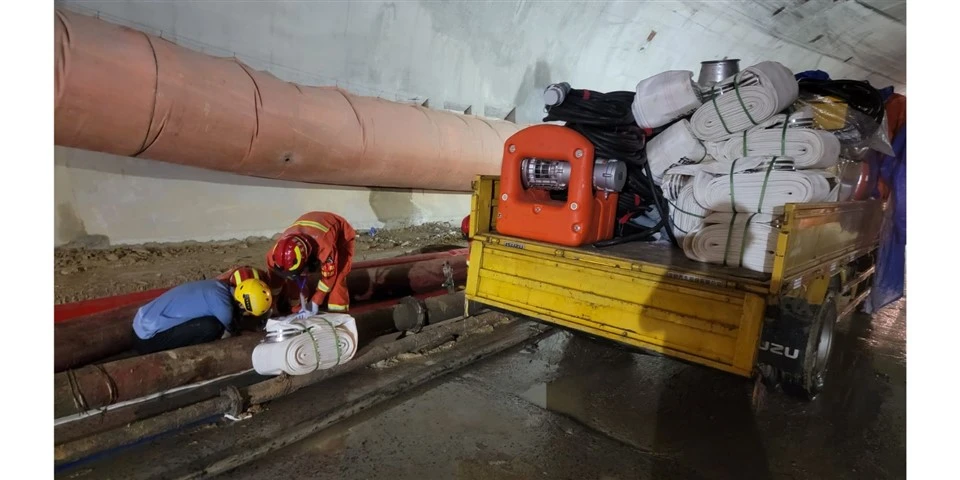
The lubrication system also helps to seal the combustion chamber. In the engine cylinders, the pistons move up and down at high speeds. The lubricant helps to create a tight seal between the pistons and the cylinder walls, preventing the escape of combustion gases. This is crucial for maximizing the engine's power output and fuel efficiency.
Let's take a look at the main components of the lubrication system. The oil pan, also known as the sump, is where the lubricant is stored. It's usually located at the bottom of the engine. When the pump starts, an oil pump draws the lubricant from the oil pan through a strainer, which filters out large debris.
The oil pump then pressurizes the lubricant and sends it through a series of passages and galleries to the various engine components that need lubrication. Along the way, the lubricant may pass through an oil filter. This filter is like a super - fine net that captures tiny particles and contaminants, such as dirt, metal shavings, and carbon deposits. A clean lubricant is essential for the proper functioning of the system.
Now, let's talk about the different types of lubricants used in Diesel Flood Control Pumps. The most common type is petroleum - based oil. It's affordable and widely available. However, synthetic oils are also becoming increasingly popular. Synthetic oils offer better performance in extreme conditions, such as high temperatures or cold starts. They have better viscosity stability, which means they can maintain their lubricating properties over a wider range of temperatures.
As a supplier, we always recommend using the right lubricant for your specific pump model. Using the wrong lubricant can lead to all sorts of problems, from poor performance to serious engine damage. We also suggest following the manufacturer's recommended oil change intervals. Regular oil changes are like a health check - up for your pump. They ensure that the lubricant is fresh and capable of doing its job effectively.
If you're in the market for a Diesel Flood Control Pump, you might be interested in some of our fantastic products. Check out our Rainstorm Emergency Drainage Equipment. These pumps are specifically designed to handle large volumes of water during heavy rainstorms, keeping your property safe from flooding.
We also have our Portable Mobile Drainage Pump. This pump is super easy to move around, making it perfect for different job sites. Whether you need to drain a small pond or deal with a flood in a confined area, this pump has got you covered.
And in case of typhoons, our Typhoon Emergency Drainage Pump is a real game - changer. It's built tough to withstand the harsh conditions associated with typhoons and can quickly remove large amounts of water, helping to prevent extensive flood damage.
If you're stuck with questions or you're ready to make a purchase, don't hesitate to reach out. Our team of experts is always here to guide you through the selection process and help you find the perfect Diesel Flood Control Pump for your needs. We offer top - notch products at competitive prices, and we're committed to providing the best customer service.
We understand that when floods strike, every second counts. That's why our pumps are designed to be reliable, efficient, and easy to operate. So, whether you're a municipality looking to upgrade your flood control infrastructure, a construction company dealing with water - filled sites, or a homeowner concerned about flood protection, we've got you covered.
In conclusion, the lubrication system of a Diesel Flood Control Pump is a complex yet crucial part of the machine. It ensures smooth operation, reduces wear and tear, and helps the pump perform at its best. By taking good care of the lubrication system and choosing the right pump for your needs, you can be confident that you're well - prepared to handle any flood situation.
So, what are you waiting for? Let's get in touch, and let's work together to protect your properties from floods.
References
- Diesel Engine Handbook. Publisher: Bosch.
- Pump Operation and Maintenance Guide. Publisher: Generic Pump Industry Association.