


The efficiency of a portable mobile drainage pump is a multifaceted concept that encompasses various factors influencing its performance, reliability, and cost - effectiveness. As a supplier of Portable Mobile Drainage Pumps, I am well - versed in the ins and outs of these essential devices, and I'm excited to share in - depth insights into their efficiency.
Understanding the Basics of Pump Efficiency
Efficiency in a portable mobile drainage pump is primarily measured by how well it can convert the input power (usually from an engine or an electric motor) into useful hydraulic power to move water. The most common metric for this is the pump's hydraulic efficiency, which is the ratio of the water power output to the power input.
Mathematically, hydraulic efficiency (ηh) is expressed as: ηh = (ρ * g * Q * H) / P, where ρ is the density of the fluid (water in most cases), g is the acceleration due to gravity, Q is the flow rate of water being pumped, H is the total head (the vertical distance the water is lifted plus any friction losses in the pipes), and P is the power input to the pump.
A high - efficiency pump will have a high ratio, meaning it can move a large volume of water with relatively low power consumption. For instance, if a pump has a hydraulic efficiency of 80%, it means that 80% of the input power is effectively used to move the water, while the remaining 20% is lost as heat, mechanical friction, or other inefficiencies.
Factors Affecting the Efficiency of Portable Mobile Drainage Pumps
1. Pump Design
The design of the pump impeller, casing, and other internal components plays a crucial role in determining its efficiency. A well - designed impeller can efficiently transfer energy from the motor to the water, maximizing the flow rate and head. For example, a centrifugal pump with a carefully crafted impeller shape can reduce turbulence and improve the overall hydraulic performance.
Our company offers a variety of pump designs, each tailored to specific applications. The Trailer Mounted Drainage Pump is designed for easy transportation and quick deployment, with an optimized impeller design for high - flow applications. This design ensures that the pump can handle large volumes of water with minimal power requirements, thereby improving its efficiency.
2. Motor Efficiency
The motor that powers the pump is another significant factor. Electric motors and diesel engines are the two most common power sources for portable mobile drainage pumps. Electric motors are generally more efficient in converting electrical energy into mechanical energy, with efficiencies ranging from 80% to 95% depending on the type and size.
Diesel engines, on the other hand, are known for their high torque and ability to operate in remote locations without access to electricity. However, their efficiency can vary widely depending on the engine's design, load, and operating conditions. A well - maintained diesel engine can have an efficiency of around 30% - 40%. Our Mobile Pump Station On Wheels is available with both electric and diesel motor options, allowing customers to choose the power source that best suits their efficiency and application needs.
3. Operating Conditions
The efficiency of a portable mobile drainage pump can also be affected by the operating conditions. The temperature, viscosity of the fluid being pumped, and the elevation difference (head) all play a role. For example, pumping a viscous fluid like sludge will require more power than pumping clean water, reducing the pump's efficiency.
Moreover, the pump's efficiency is often optimized for a specific flow rate and head range. Operating the pump outside of this optimal range can lead to reduced efficiency. For instance, if a pump is designed to operate at a flow rate of 500 gallons per minute (GPM) and a head of 50 feet, running it at a much lower flow rate or higher head will result in inefficiencies.
Benefits of High - Efficiency Portable Mobile Drainage Pumps
1. Cost Savings
High - efficiency pumps consume less power, which translates into lower operating costs over the long term. Whether it's the cost of electricity for an electric - powered pump or the cost of diesel fuel for a diesel - powered pump, reducing power consumption can lead to significant savings. For example, a high - efficiency pump that uses 20% less power than a standard pump can save thousands of dollars in energy costs over the pump's lifespan.
2. Environmental Impact
Lower power consumption also means a reduced carbon footprint. By using less energy, high - efficiency portable mobile drainage pumps contribute to a more sustainable environment. This is particularly important in today's world, where environmental concerns are at the forefront of many industries.
3. Reliability and Durability
Efficient pumps are often better designed and built, which can lead to increased reliability and durability. A pump that operates more efficiently is under less stress, reducing the likelihood of breakdowns and extending its service life. This means less downtime and lower maintenance costs for the user.
Applications of Portable Mobile Drainage Pumps
Portable mobile drainage pumps have a wide range of applications, and their efficiency is crucial in each of these applications.
1. Flood Control
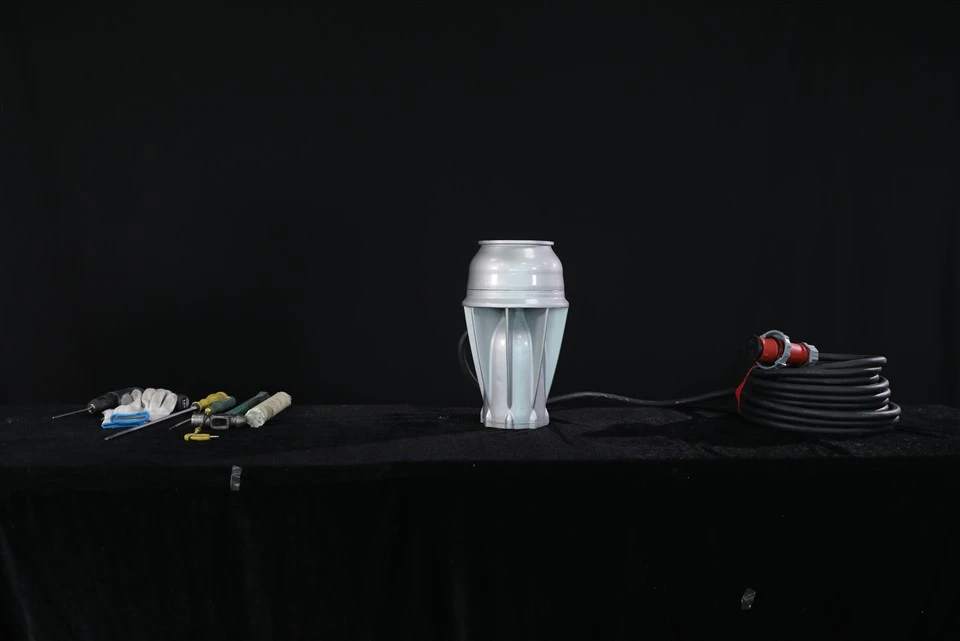
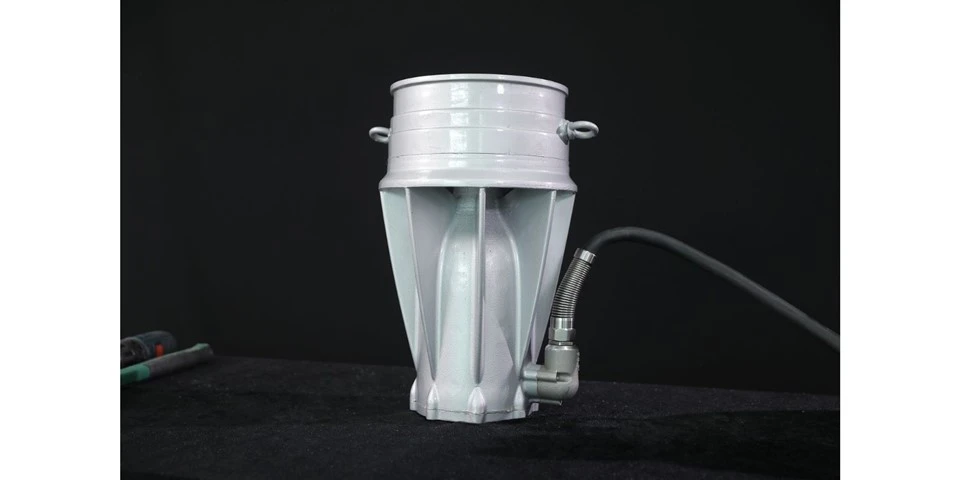
During floods, portable mobile drainage pumps are used to quickly remove water from affected areas. High - efficiency pumps can move large volumes of water in a short period, helping to prevent further damage and reduce the recovery time. Our Drought Relief Drainage Pump can be used in flood - prone areas to efficiently drain water and protect properties.
2. Construction Sites
On construction sites, these pumps are used to dewater excavations, keep the work area dry, and prevent waterlogging. Efficient pumps can ensure that the construction process runs smoothly without delays caused by water accumulation.
3. Agricultural Irrigation
In agriculture, portable mobile drainage pumps are used for irrigation and drainage. High - efficiency pumps can help farmers save on energy costs while ensuring that their crops receive the right amount of water.
How to Choose the Right Portable Mobile Drainage Pump for Your Needs
When selecting a portable mobile drainage pump, it's essential to consider the efficiency along with other factors such as the required flow rate, head, power source, and application. Here are some tips to help you make the right choice:
1. Determine Your Requirements
Calculate the flow rate and head required for your application. This will help you narrow down the pump options that are suitable for your needs. For example, if you need to drain a large area quickly, you'll need a pump with a high flow rate.
2. Consider the Power Source
Decide whether an electric - powered or diesel - powered pump is more suitable for your application. Electric pumps are more efficient and environmentally friendly, but they require access to electricity. Diesel pumps are more versatile but may have lower efficiency and higher operating costs.
3. Look for High - Efficiency Models
Research different pump models and compare their efficiency ratings. Look for pumps with features such as optimized impeller designs and high - efficiency motors.
Conclusion
The efficiency of a portable mobile drainage pump is a critical factor that affects its performance, cost - effectiveness, and environmental impact. As a supplier of these pumps, we are committed to providing our customers with high - efficiency products that meet their specific needs. Whether you're dealing with flood control, construction site dewatering, or agricultural irrigation, choosing the right high - efficiency pump can make a significant difference.
If you're interested in learning more about our portable mobile drainage pumps or have specific requirements for your project, we encourage you to contact us for a detailed discussion. Our team of experts is ready to assist you in selecting the most suitable pump and providing you with all the information you need to make an informed decision.
References
- "Pump Handbook" by Igor J. Karassik et al.
- "Centrifugal Pumps: Design and Application" by Heinz P. Bloch and Allan R. Budris.