


As a supplier of Rescue Mobile Drainage Pumps, I often get asked about the cooling methods of the motors used in these pumps. Understanding the cooling method is crucial as it directly impacts the performance, reliability, and lifespan of the pump. In this blog, I'll delve into the various cooling methods employed in the motors of rescue mobile drainage pumps.
Air Cooling
One of the most common cooling methods for motors in rescue mobile drainage pumps is air cooling. This method is relatively simple and cost - effective, making it a popular choice for many applications.
In an air - cooled motor, a fan is typically attached to the motor shaft. As the motor runs, the fan rotates, drawing in ambient air. The air is then directed over the motor's heat - generating components, such as the stator and rotor windings. The heat from these components is transferred to the air, which is then expelled from the motor housing.
The efficiency of air cooling depends on several factors. Firstly, the design of the fan is crucial. A well - designed fan can move a large volume of air at an appropriate speed. The shape and size of the fan blades, as well as the rotational speed, all play a role in determining the airflow rate.
Secondly, the ventilation system of the motor housing is important. The housing should have proper intake and exhaust vents to ensure a smooth flow of air. Obstructions in the vents can reduce the airflow and lead to overheating.
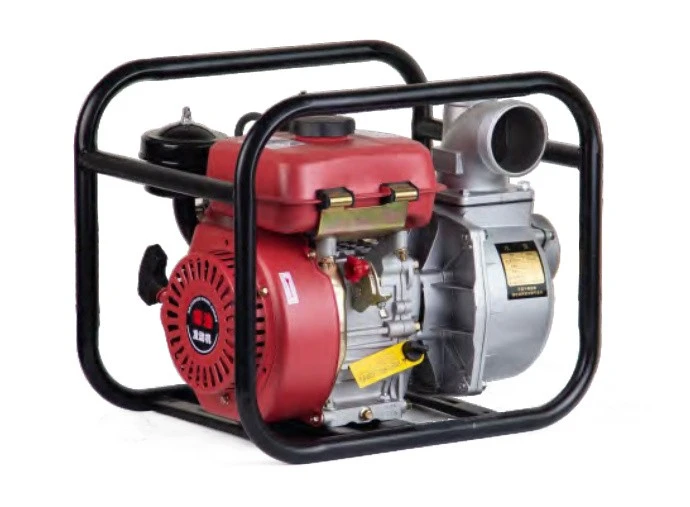
Air - cooled motors are suitable for applications where the operating environment is relatively clean and well - ventilated. They are often used in smaller rescue mobile drainage pumps, such as Portable Diesel Pump. These pumps are designed for easy transportation and quick deployment, and air cooling provides a simple and reliable solution for motor cooling.
Liquid Cooling
Liquid cooling is another effective method for cooling the motors of rescue mobile drainage pumps. This method is more complex than air cooling but offers better heat dissipation capabilities, especially for high - power motors.
In a liquid - cooled system, a coolant (usually a mixture of water and antifreeze) is circulated through a series of channels or tubes within the motor. The coolant absorbs the heat generated by the motor components and carries it away. The heated coolant is then pumped to a radiator, where it releases the heat to the surrounding air.
The radiator typically has a large surface area and is equipped with fins to increase the heat transfer rate. A fan is often used to enhance the airflow over the radiator, further improving the cooling efficiency.
Liquid cooling has several advantages. It can maintain a more stable motor temperature compared to air cooling, which is especially important for motors that operate at high loads for extended periods. This helps to reduce the risk of overheating and prolongs the motor's lifespan.
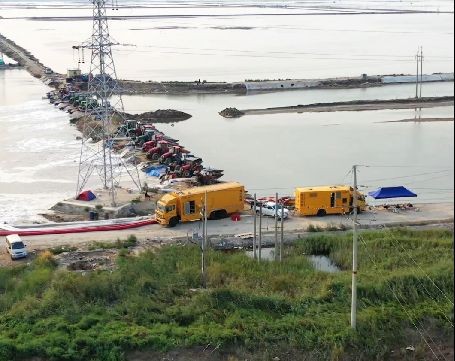
Liquid - cooled motors are commonly used in larger rescue mobile drainage pumps, such as Flood - fighting and Rescue Mobile Pump. These pumps are designed to handle large volumes of water and require more powerful motors, which generate more heat. Liquid cooling provides the necessary cooling capacity to ensure the reliable operation of these pumps.
Hybrid Cooling
In some cases, a hybrid cooling system may be used. This combines the advantages of both air and liquid cooling.
A hybrid cooling system typically uses air cooling as the primary cooling method under normal operating conditions. The air - cooled fan helps to remove a significant amount of heat from the motor. However, when the motor is operating at high loads or in a hot environment, the liquid - cooling system is activated to provide additional cooling.
This approach allows for a more flexible and efficient cooling solution. It can reduce the energy consumption associated with liquid cooling when it is not strictly necessary, while still providing the necessary cooling capacity when the motor needs it.
Hybrid cooling systems are often used in advanced rescue mobile drainage pumps, which are designed to operate in a wide range of conditions. These pumps may be used in typhoon - affected areas, where they need to work continuously under high - stress conditions. Typhoon Emergency Drainage Pump is an example of a pump that may benefit from a hybrid cooling system.
Factors Affecting Cooling Efficiency
Regardless of the cooling method used, several factors can affect the cooling efficiency of the motor.
The ambient temperature is a significant factor. In hot environments, the cooling system has to work harder to remove the heat from the motor. For example, in tropical regions or during summer months, the air temperature can be quite high, which reduces the effectiveness of air cooling. In such cases, liquid cooling or hybrid cooling systems may be more suitable.
The load on the motor also affects the cooling requirements. A motor that is operating at a high load for an extended period will generate more heat. Therefore, the cooling system needs to be able to handle the increased heat output. If the cooling system is not designed to handle the load, the motor may overheat, leading to reduced performance and potential damage.
The maintenance of the cooling system is also crucial. For air - cooled motors, the vents need to be kept clean to ensure proper airflow. For liquid - cooled systems, the coolant level and quality need to be regularly checked and maintained. A lack of proper maintenance can lead to reduced cooling efficiency and premature motor failure.
Importance of Choosing the Right Cooling Method
Choosing the right cooling method for the motor of a rescue mobile drainage pump is essential. The cooling method directly affects the pump's performance, reliability, and lifespan.
A well - designed cooling system can ensure that the motor operates at an optimal temperature, which reduces the risk of overheating and extends the motor's lifespan. This, in turn, reduces the maintenance and replacement costs associated with the pump.
In addition, the right cooling method can improve the pump's performance. A motor that is properly cooled can operate more efficiently, which means that the pump can deliver more water at a higher pressure. This is especially important in emergency situations, where every second counts.
Conclusion
In conclusion, the cooling method of the motor of a rescue mobile drainage pump is a critical aspect of its design. Air cooling, liquid cooling, and hybrid cooling are the main methods used, each with its own advantages and disadvantages.
When choosing a rescue mobile drainage pump, it's important to consider the operating conditions, the load requirements, and the cooling method. By selecting the right pump with an appropriate cooling system, you can ensure reliable and efficient operation in emergency situations.
If you're interested in purchasing a rescue mobile drainage pump or have any questions about the cooling methods or other aspects of our products, we invite you to contact us for a detailed discussion. Our team of experts is ready to assist you in finding the best solution for your needs.
References
- Electrical Machinery Fundamentals, Stephen J. Chapman
- Pump Handbook, Igor J. Karassik, Joseph P. Messina, Paul Cooper, Charles C. Heald