


Cavitation resistance is a crucial characteristic when it comes to the performance and longevity of a Diesel Flood Control Pump. As a leading supplier of such pumps, I have witnessed firsthand the impact that cavitation can have on pump efficiency and durability. In this blog, we will delve into what cavitation resistance means for a Diesel Flood Control Pump, why it matters, and how our pumps are designed to handle this challenge.
Understanding Cavitation
Before we can discuss cavitation resistance, we need to understand what cavitation is. Cavitation occurs when the pressure of a liquid drops below its vapor pressure, causing the formation of vapor bubbles. These bubbles then collapse when they move into an area of higher pressure, creating shockwaves that can damage the pump components. In a Diesel Flood Control Pump, cavitation can lead to erosion of the impeller, casing, and other internal parts, reduced pump efficiency, increased noise and vibration, and ultimately, premature pump failure.
The conditions under which cavitation is likely to occur in a flood control pump can vary. For example, if the pump is operating at a high flow rate or a low net positive suction head (NPSH), the pressure at the inlet of the pump can drop to a level where cavitation begins. Additionally, if the pump is handling water with a high temperature or a low atmospheric pressure, the vapor pressure of the water increases, making cavitation more likely.
Why Cavitation Resistance Matters
Cavitation resistance is of utmost importance for Diesel Flood Control Pumps for several reasons. Firstly, it directly affects the pump's performance. When cavitation occurs, the pump's efficiency drops significantly. The shockwaves generated by the collapsing bubbles disrupt the smooth flow of the liquid through the pump, reducing the pump's ability to deliver the required flow rate and head. This can have a serious impact on flood control operations, as the pump may not be able to remove water from the flooded area quickly enough.
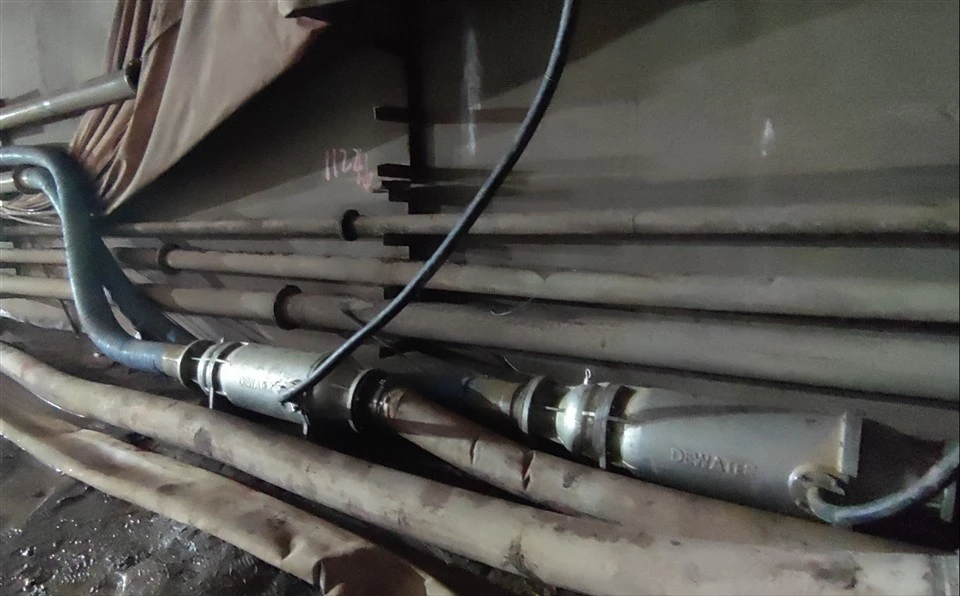
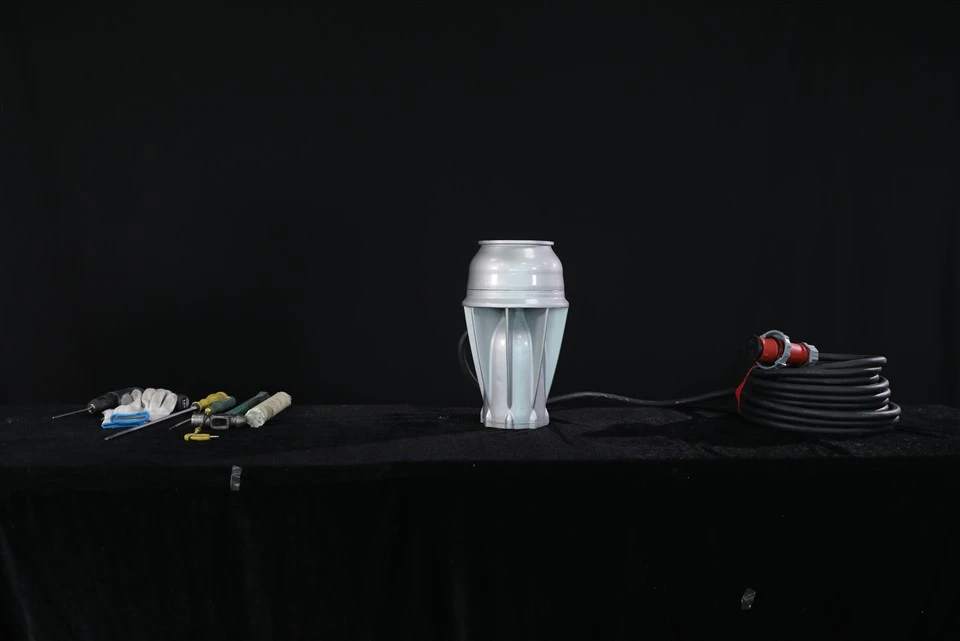
Secondly, cavitation resistance is essential for the longevity of the pump. The erosion caused by cavitation can damage the pump's internal components over time. The impeller, which is responsible for imparting energy to the liquid, is particularly vulnerable. As the impeller wears, its performance deteriorates, and it may eventually need to be replaced. This not only increases the maintenance costs but also leads to downtime, which can be critical during flood control emergencies.
Finally, a pump with good cavitation resistance is more reliable. In flood control situations, reliability is key. The pump needs to operate continuously and efficiently to prevent further flooding and protect lives and property. A pump that is prone to cavitation is more likely to break down, leaving the flooded area at risk.
How Our Diesel Flood Control Pumps Are Designed for Cavitation Resistance
At our company, we understand the importance of cavitation resistance in Diesel Flood Control Pumps. That's why we have implemented several design features to ensure that our pumps can withstand the challenges of cavitation.
One of the key design features is the use of high - quality materials. We select materials for our pump components that are resistant to erosion. For example, the impeller is made from a special alloy that can withstand the impact of the collapsing bubbles. This alloy has high hardness and toughness, which helps to minimize the damage caused by cavitation.
Another important aspect of our design is the optimization of the pump's hydraulic performance. We use advanced computational fluid dynamics (CFD) simulations to analyze the flow of liquid through the pump and identify areas where cavitation is likely to occur. Based on these simulations, we can modify the shape and size of the impeller, casing, and other components to improve the pump's NPSH requirements. By ensuring that the pump operates at a sufficient NPSH, we can reduce the risk of cavitation.
In addition, our pumps are designed with a large inlet area. A larger inlet area allows for a smoother flow of liquid into the pump, reducing the pressure drop at the inlet. This helps to maintain a higher pressure at the inlet, which in turn reduces the likelihood of cavitation.
Applications and Related Products
Our Diesel Flood Control Pumps are suitable for a wide range of applications. They are commonly used in flood control operations during heavy rainfall, hurricanes, and other natural disasters. They can also be used for Drought Relief Drainage Pump applications, where water needs to be pumped from a low - lying area to a higher elevation for irrigation or other purposes.
For typhoon - prone areas, our Typhoon Emergency Drainage Pump is specifically designed to handle the large volumes of water that can be generated during a typhoon. These pumps are built to be robust and reliable, with high cavitation resistance to ensure continuous operation during the most challenging conditions.
In underground narrow spaces, such as basements and tunnels, our Underground Narrow Space Drainage pumps are the ideal solution. These pumps are compact in size but still offer high performance and excellent cavitation resistance, making them suitable for removing water from confined areas.
Conclusion
In conclusion, cavitation resistance is a vital characteristic of Diesel Flood Control Pumps. It affects the pump's performance, longevity, and reliability, all of which are crucial in flood control and other pumping applications. At our company, we are committed to providing pumps with excellent cavitation resistance through the use of high - quality materials, optimized hydraulic design, and innovative engineering solutions.
If you are in need of a reliable Diesel Flood Control Pump for your flood control, drought relief, or other pumping applications, we invite you to contact us for a detailed discussion. Our team of experts will be happy to assist you in selecting the right pump for your specific needs and provide you with all the information you need to make an informed decision.
References
- Stepanoff, A. J. (1957). Centrifugal and Axial Flow Pumps: Theory, Design, and Application. John Wiley & Sons.
- Karassik, I. J., Messina, J. P., Cooper, P. W., & Heald, C. C. (2008). Pump Handbook (4th ed.). McGraw - Hill.
- Idelchik, I. E. (2007). Handbook of Hydraulic Resistance (4th ed.). Begell House.