



As a vendor of mobile pumping stations, I've gotten a ton of questions from all sorts of folks about the costs of running these bad boys. People wanna know what they're gonna be shelling out for when they get one of our mobile pumping stations up and running. Well, you're in the right place, 'cause I'm gonna break down those operating costs for ya.
Fuel Costs
Let's start with one of the big ones: fuel. Mobile pumping stations typically run on diesel, gasoline, or sometimes even natural gas, depending on the model. The fuel cost can really vary based on a bunch of things. First off, the size of the pump matters. Bigger pumps usually have more powerful engines, and those engines guzzle more fuel. If you've got a large - scale High - efficiency Mobile Pumping Stations that's designed to move a ton of water quickly, you're gonna see a higher fuel bill compared to a smaller, more compact unit.
Another factor is how long the pump is running. If you're dealing with a big flood situation and the pump has to run non - stop for days, the fuel costs will stack up fast. On the flip side, if it's just a short - term use, like draining a small basement after a heavy rain, the fuel expense won't be as bad.
Also, the price of fuel itself is a major variable. Fuel prices are always bouncing up and down due to factors like global oil prices, local taxes, and supply and demand. You can expect to pay more for fuel during peak seasons or in areas where there are fuel shortages.
Maintenance and Repairs
Maintenance and repairs are also a significant part of the operating costs. Regular maintenance is crucial to keep your mobile pumping station in good working order. You gotta change the oil, filters, and spark plugs (if it's a gasoline - powered unit) at the recommended intervals. This preventive maintenance helps avoid more serious problems down the road.
The cost of maintenance parts can add up. For example, high - quality oil filters and air filters aren't cheap, but using the right ones is essential for the pump's performance and longevity. And then there are the labor costs if you're not doing the maintenance yourself. Hiring a professional mechanic to work on your pump can be pricey, especially if it's a complex job.
When it comes to repairs, well, that's where things can really get expensive. If a major component like the engine or the pump impeller fails, you're looking at a hefty bill. The cost of replacement parts can be high, and then there's the labor to install them. It's a good idea to have a maintenance plan in place and set aside some money for unexpected repairs.
Labor Costs
Labor costs are another aspect to consider. If you're using the mobile pumping station for a large - scale project, you'll probably need someone to operate it. The operator needs to have the right skills and knowledge to run the pump safely and efficiently. Depending on the location and the complexity of the job, the hourly rate for a qualified pump operator can vary.
Training is also a part of the labor - related cost. You want your operators to be well - trained so they can handle any situation that comes up. Training programs can cost money, but they're an investment in the long - term success of your pumping operations.
Transportation Costs
Transporting the mobile pumping station to the job site is yet another cost. The type of mobile pumping station you have affects the transportation cost. For example, a Flood Control Mobile Pump Trailer can be towed behind a truck, but you still need to factor in the cost of fuel for the towing vehicle and any wear and tear on it.
If you have a larger, more complex mobile pumping station, you might need specialized transportation equipment. This could mean hiring a flatbed truck or a heavy - hauling service, which can be quite expensive. The distance to the job site also plays a role. Longer distances mean more fuel and more time on the road, which translates to higher costs.
Insurance Costs
Insurance is a must - have for any mobile pumping station. You need to protect your investment in case of accidents, theft, or damage. The cost of insurance depends on several factors. The value of the pumping station is a big one. A more expensive, high - end model will have a higher insurance premium.
The location where you'll be using the pump also matters. If you're operating in an area with a high risk of floods, storms, or other natural disasters, the insurance company might charge you more. And then there's your claims history. If you've had previous claims, your premiums could go up.

Water Disposal Costs
Once the pump has done its job and moved the water, you've got to deal with where to put that water. In some cases, you can discharge the water into a nearby storm drain or body of water. But there might be regulations in place that you need to follow. You might have to get permits, and there could be fees associated with those permits.
If the water is contaminated, like in a chemical spill cleanup or a sewage - related situation, the disposal gets even more complicated and costly. You might need to use specialized treatment facilities to clean the water before it can be safely discharged.
Regulatory and Compliance Costs
Running a mobile pumping station also means dealing with regulations. There are environmental regulations regarding the quality of the water being pumped, noise pollution limits, and safety regulations for the equipment and operators. Meeting these regulations can cost money.
You might need to conduct regular emissions tests on your pumping station, especially if it's a diesel - powered unit. You'll also need to ensure that your operators have the proper safety training and that the equipment meets all the safety standards. Failing to comply with these regulations can result in fines, which is an added cost you definitely don't want.
Calculating the Total Operating Costs
To get a clear picture of the total operating costs of a mobile pumping station, you need to add up all these expenses. Keep detailed records of your fuel purchases, maintenance and repair bills, labor costs, transportation fees, insurance premiums, water disposal costs, and regulatory compliance expenses.
There are some things you can do to reduce these costs. For example, you can shop around for the best fuel prices, do some of the maintenance work yourself if you have the skills, and look for more cost - effective transportation options.
Overall, understanding the operating costs of a mobile pumping station is crucial if you're thinking about buying one. It helps you budget properly and make informed decisions about your pumping operations.
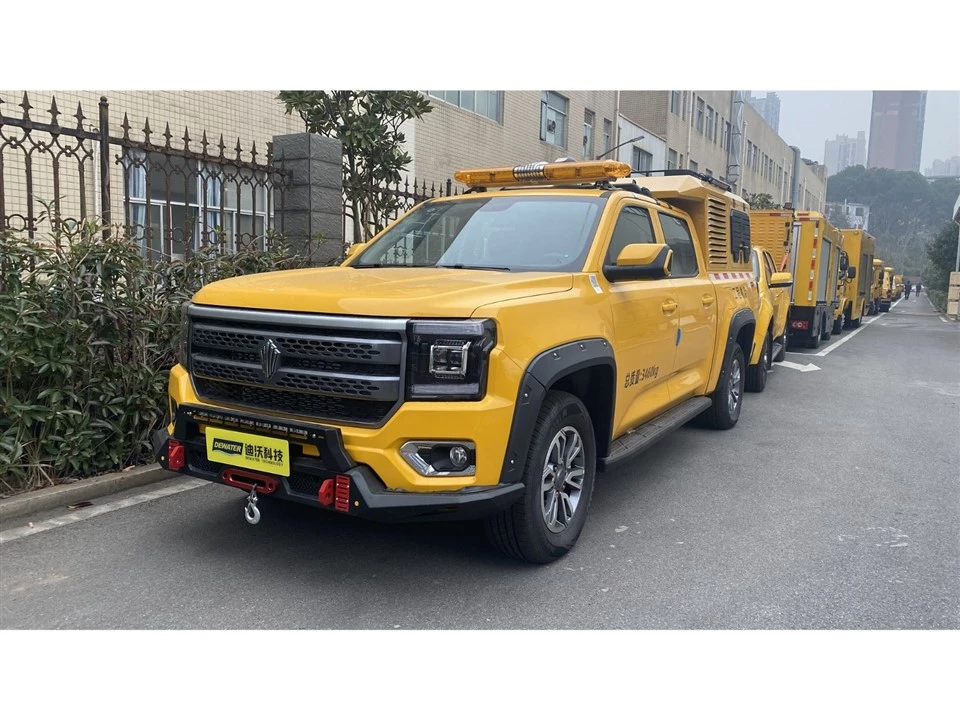
If you're in the market for a mobile pumping station or want to learn more about how these costs might apply to your specific situation, don't hesitate to reach out. We're here to help you find the right solution for your needs. Whether it's a Flooding Control Pickup for smaller jobs or a high - capacity mobile pumping station for large - scale projects, we've got you covered. Let's have a chat and see how we can work together to make your pumping operations a success.
References
- Industry reports on mobile pumping station operations
- Manufacturer's manuals for mobile pumping stations