


When it comes to Flooding Control Pickups, understanding the installation space requirements is crucial for both effective operation and safety. As a supplier of Flooding Control Pickups, I've witnessed firsthand the importance of proper installation space. In this blog, I'll delve into the key factors that determine the installation space for these vehicles and why they matter.
The Basics of Flooding Control Pickups
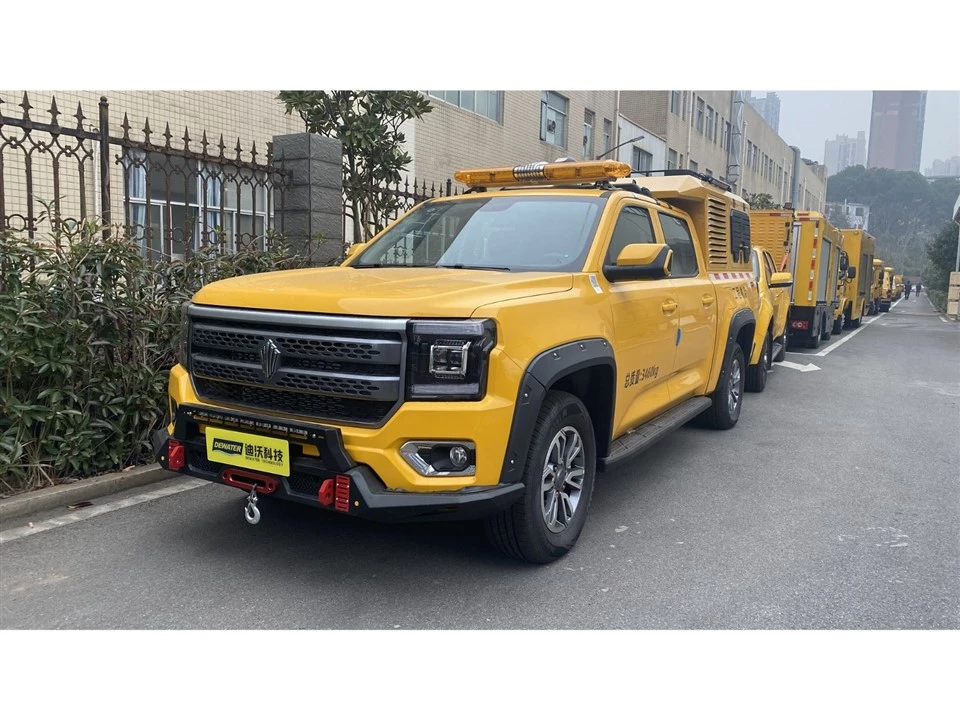
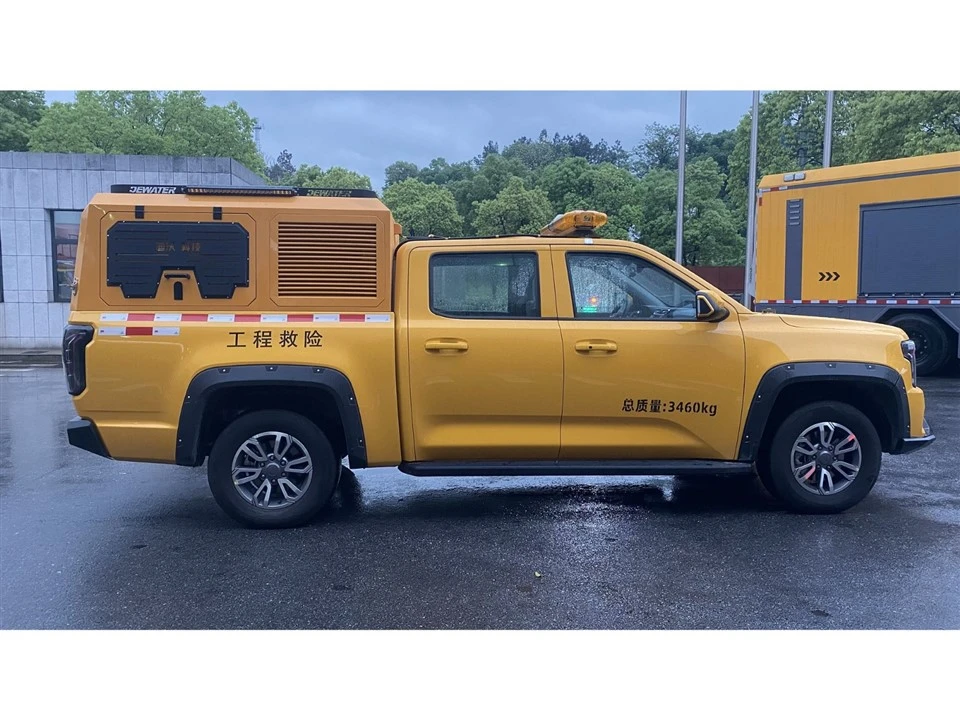
Flooding Control Pickups are specialized vehicles designed to address waterlogging and flooding situations. They are equipped with powerful pumps and other drainage equipment to quickly remove excess water from flooded areas. These vehicles are highly versatile and can be used in a variety of settings, including urban streets, industrial areas, and construction sites.
Before discussing the installation space requirements, it's important to understand the components of a Flooding Control Pickup. The main components typically include a powerful water pump, a storage tank for collected water, a control panel, and various hoses and pipes for water intake and discharge. These components need to be properly installed and maintained to ensure the vehicle's optimal performance.
Size and Dimensions of the Vehicle
The first and most obvious factor in determining the installation space is the size and dimensions of the Flooding Control Pickup itself. These vehicles come in different sizes, depending on their capacity and the specific requirements of the user. Larger vehicles with higher pumping capacities will naturally require more space for installation.
When considering the size of the vehicle, it's important to take into account not only the length, width, and height but also the turning radius. The vehicle needs to be able to maneuver easily in and out of the installation area, so there should be enough space for it to turn around. Additionally, the installation area should have sufficient clearance above the vehicle to accommodate any protruding components, such as the pump or the exhaust pipe.
Access to the Installation Area
Another important consideration is the access to the installation area. The Flooding Control Pickup needs to be able to reach the installation site easily, without any obstacles or restrictions. This means that there should be a clear and wide enough path leading to the installation area, with no low-hanging branches, narrow passages, or other obstructions.
In addition to the physical access, it's also important to consider the access for maintenance and repair. The installation area should be easily accessible for technicians to perform routine maintenance and repairs on the vehicle. This may require a certain amount of clearance around the vehicle and easy access to the engine, pump, and other components.
Ventilation and Airflow
Proper ventilation and airflow are essential for the efficient operation of the Flooding Control Pickup. The engine and the pump generate a significant amount of heat, which needs to be dissipated to prevent overheating. Therefore, the installation area should have adequate ventilation to allow for the circulation of fresh air.
In addition to ventilation, airflow is also important for the intake and discharge of water. The vehicle's water intake and discharge hoses need to be properly positioned to ensure efficient water flow. There should be enough space around the hoses to prevent kinking or obstruction, which could reduce the pumping efficiency.
Electrical and Hydraulic Connections
Flooding Control Pickups rely on electrical and hydraulic systems to operate. Therefore, the installation area needs to have access to a reliable power source and hydraulic connections. The electrical connections should be properly grounded and protected to prevent electrical hazards.
The hydraulic connections are used to power the pump and other components of the vehicle. These connections need to be installed correctly and securely to ensure the proper functioning of the hydraulic system. The installation area should have enough space to accommodate the hydraulic hoses and fittings, and there should be easy access to these connections for maintenance and repair.
Safety Considerations
Safety is always a top priority when it comes to the installation of Flooding Control Pickups. The installation area should be located in a safe and stable environment, away from any potential hazards, such as traffic, pedestrians, or other moving objects.

In addition to the location, the installation area should also be equipped with appropriate safety features, such as fire extinguishers, emergency stop buttons, and warning signs. These safety features can help prevent accidents and ensure the safety of the operators and other personnel.
Comparison with Other Drainage Vehicles
When considering the installation space requirements for Flooding Control Pickups, it's also helpful to compare them with other types of drainage vehicles, such as Engineering Water Drainage Rescue Vehicles and Mobile Pump Drainage Rescue Trucks.

Engineering Water Drainage Rescue Vehicles are typically larger and more powerful than Flooding Control Pickups. They are designed for more severe flooding situations and may require more space for installation. Mobile Pump Drainage Rescue Trucks, on the other hand, are more compact and portable. They can be easily transported to different locations and may require less space for installation.
Conclusion
In conclusion, the installation space requirements for Flooding Control Pickups are determined by a variety of factors, including the size and dimensions of the vehicle, access to the installation area, ventilation and airflow, electrical and hydraulic connections, and safety considerations. By understanding these factors and ensuring that the installation area meets the requirements, you can ensure the efficient operation and safety of your Flooding Control Pickup.
If you're interested in learning more about Flooding Control Pickups or have any questions about their installation space requirements, please feel free to contact us. Our team of experts is ready to assist you with your procurement needs and provide you with the best solutions for your flooding control challenges.
References
- Professional literature on vehicle engineering and drainage technology.
- Industry standards and guidelines for the installation of drainage vehicles.