


When it comes to emergency water rescue operations, one of the frequent challenges faced by emergency water rescue pickup teams is dealing with victims wearing heavy clothing in the water. As a leading Emergency Water Rescue Pickup supplier, we understand the intricacies and difficulties associated with this scenario and have developed effective strategies to handle such situations.
Understanding the Challenges Posed by Heavy Clothing
Heavy clothing can significantly impede a victim's ability to stay afloat in the water. The additional weight drags the victim down, increasing the risk of drowning. Moreover, heavy fabrics like denim or thick wool can absorb a large amount of water, further adding to the weight. This not only makes it harder for the victim to keep their head above water but also drains their energy quickly as they struggle to stay buoyant.
In cold - water situations, heavy clothing can have a dual effect. While it may provide some insulation initially, the absorbed water can also lead to rapid heat loss, increasing the risk of hypothermia. This means that rescue teams have to act swiftly to get the victim out of the water and into a warm and dry environment.
Initial Assessment and Communication
The first step for our emergency water rescue pickup teams is to conduct a quick assessment of the victim's condition. From a safe distance, the team observes the victim's movement, breathing, and level of consciousness. If the victim is conscious, clear and calm communication is established. Our team members use simple and direct language to reassure the victim and guide them on how to conserve energy. For example, instructing the victim to float on their back and relax can help them stay afloat with less effort.
Use of Appropriate Rescue Equipment
We provide our rescue teams with a wide range of specialized equipment to handle victims in heavy clothing. Life jackets are an essential tool. Our life jackets are designed to provide maximum buoyancy, even for victims with the added weight of wet clothing. They are adjustable to fit different body sizes and can be quickly put on the victim.
In addition to life jackets, we also supply rescue ropes. These ropes are strong and durable, allowing the team to pull the victim towards safety. Our rescue teams are trained to throw the ropes accurately to the victim, ensuring a quick and secure connection.
Techniques for Approaching and Retrieving the Victim
When approaching a victim wearing heavy clothing, our rescue teams are trained to use a slow and cautious approach. Sudden movements can startle the victim, causing them to panic and potentially submerge. The team approaches from the side or behind, minimizing the risk of being grabbed by the panicked victim.
Once close to the victim, the team uses a technique called the "reach - grab - pull." The rescuer reaches out to the victim, grabs a secure part of their clothing or body, and then carefully pulls them towards the rescue vessel or shore. In some cases, if the victim is too heavy or exhausted to be pulled directly, the team may use a flotation device to support the victim's weight while they are being moved.
Dealing with the Weight of the Clothing
After retrieving the victim from the water, the weight of the wet clothing remains a concern. Our teams are trained to quickly remove as much of the heavy clothing as possible. This not only reduces the overall weight of the victim but also helps prevent further heat loss. In some situations, we use specialized scissors or cutters to safely and quickly cut through the clothing if it is too difficult to remove.
Post - Rescue Care
Once the victim is safely on land or in the rescue vehicle, immediate post - rescue care is provided. The victim is wrapped in warm blankets to prevent hypothermia. Medical personnel on the team assess the victim's vital signs, including heart rate, breathing, and body temperature. If necessary, basic first - aid measures such as CPR or treating minor injuries are administered.
Role of Our Equipment in the Rescue Process
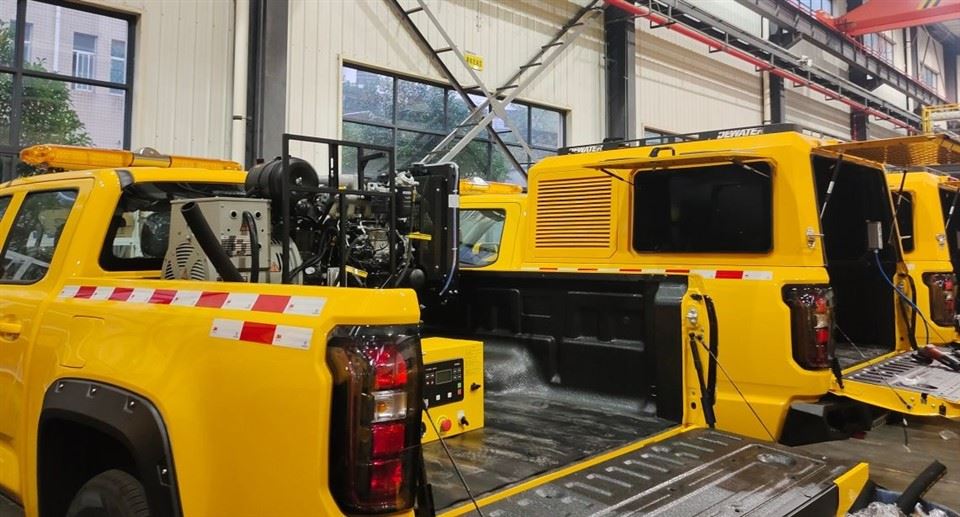
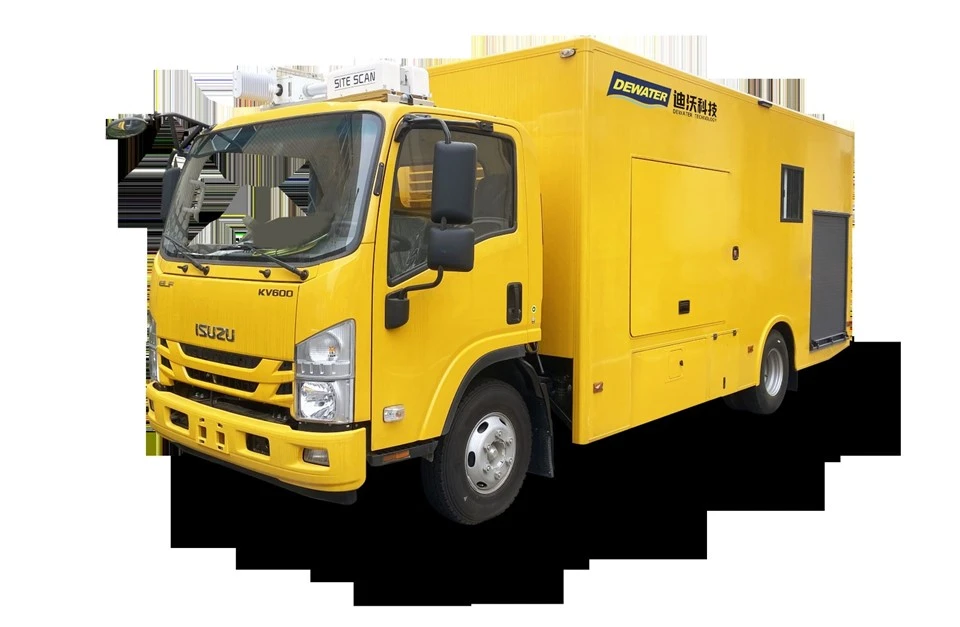
As an Emergency Water Rescue Pickup supplier, we offer a variety of equipment that plays a crucial role in handling victims in heavy clothing. Our Light Duty Rescue Pump Trucks are designed to quickly remove water from flooded areas, making it easier for the rescue teams to access the victims. These trucks are highly maneuverable and can be deployed in various terrains.
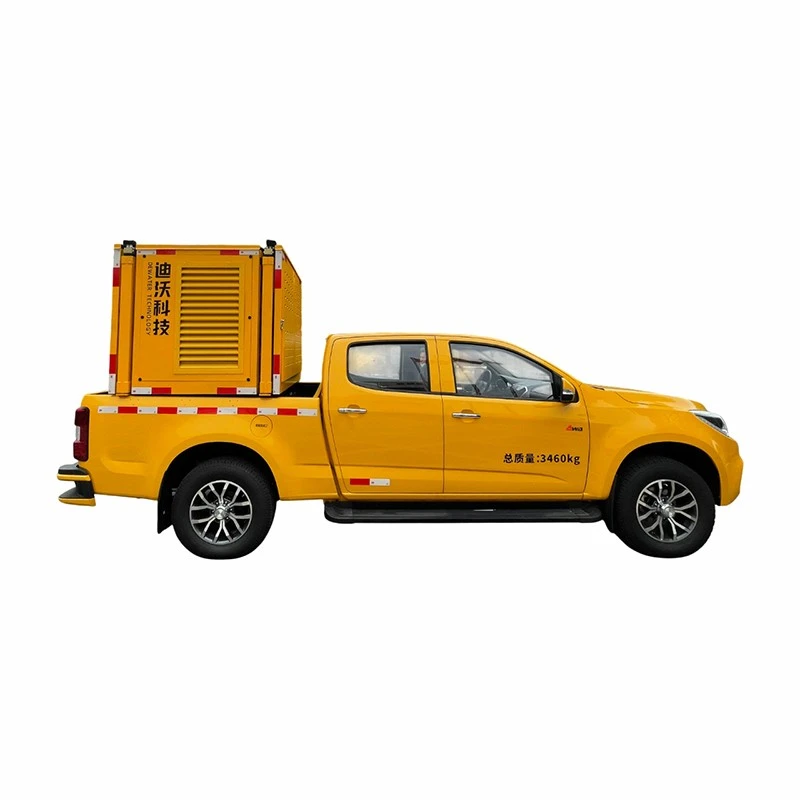
Our Mobile Drainage Pump Trailer is another valuable asset. It can be easily transported to the rescue site and used to drain large volumes of water. This is particularly useful in situations where the victim is in a flooded area with heavy water accumulation.
The Drought Relief Drainage Pump Truck can also be used in water rescue operations. It has a powerful pumping capacity and can be used to create a current that helps guide the victim towards the rescue team or to clear water from a specific area.
Training and Preparedness
Our company emphasizes the importance of continuous training for our rescue teams. We conduct regular drills and simulations that focus on handling victims wearing heavy clothing. These training sessions cover everything from initial assessment to post - rescue care. Our teams are also trained to work in different weather conditions and water environments, ensuring that they are prepared for any situation.

Conclusion
Handling victims wearing heavy clothing in the water is a complex task that requires specialized skills, equipment, and training. As an Emergency Water Rescue Pickup supplier, we are committed to providing the best - in - class equipment and support to rescue teams. Our products are designed to meet the challenges of water rescue operations, and our training programs ensure that the teams are well - prepared to handle any situation.
If you are involved in emergency water rescue operations or are looking for reliable equipment suppliers, we invite you to contact us for procurement and further discussions. We are eager to share our expertise and provide you with the solutions you need to carry out successful water rescue missions.
References
- American Red Cross. (2023). Water Safety and Rescue Guidelines.
- National Institute for Occupational Safety and Health. (2022). Best Practices for Water Rescue Operations.
- International Life Saving Federation. (2021). Handbook on Water Rescue Techniques.